Broken pottery turns out to be wine jars forgotten by Romans over 2,000 years ago
“Take nothing but pictures, and leave nothing but footprints.” The saying is common, cliche really, to many campers.
But not so much for a group of ancient Romans who camped along the German countryside thousands of years ago. Their campsite was quite the opposite — and archaeologists are still finding its ruins.
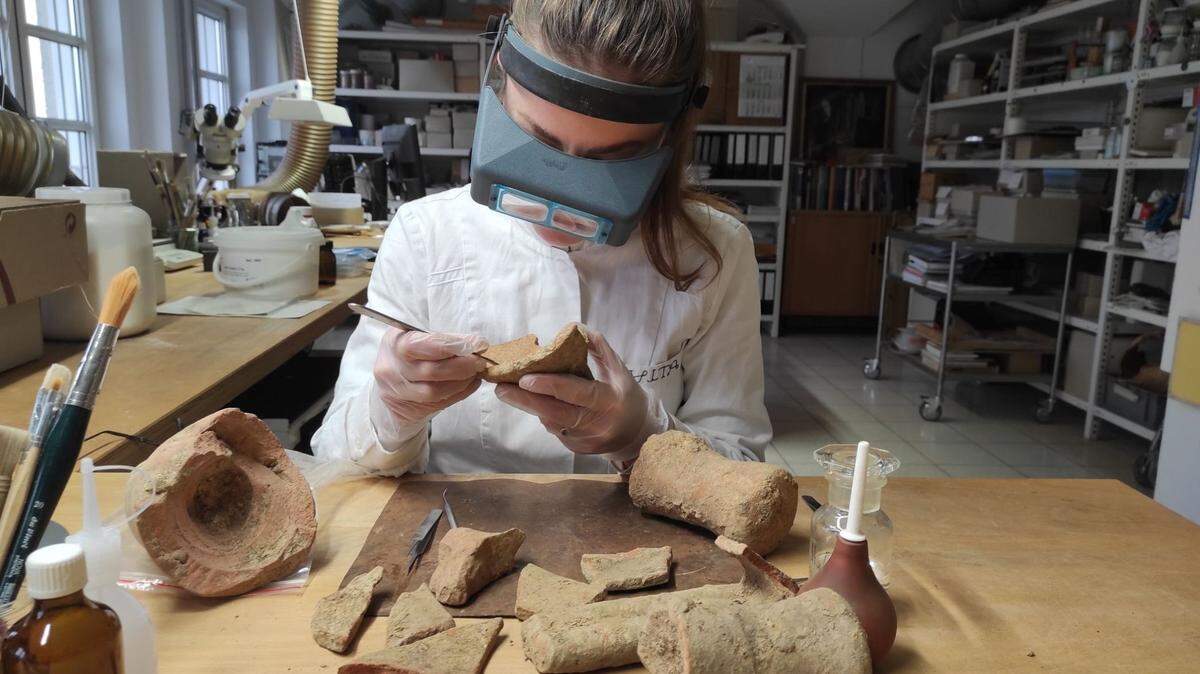
The first traces of this campsite came in the form of small pottery fragments, the Regional Association of Westphalia-Lippe said in a June 23 news release.
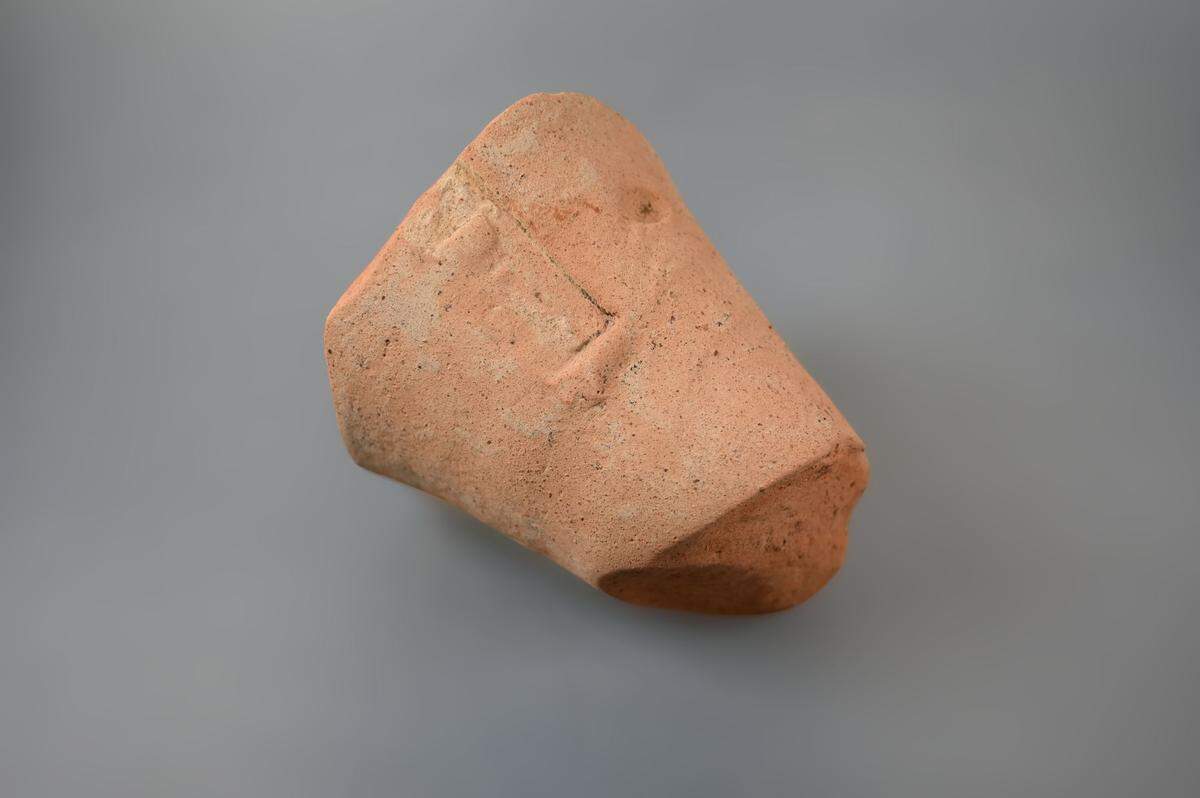
Archaeologists uncovered the broken pottery during excavations in a central area of Paderborn. The peach-colored pieces were from five Roman wine jars — a specific type of pottery linked to the ancient Roman military, archaeologist Michael Rind said in the release.
The wine jar fragments were over 2,000 years old and the first sign that the Roman military had passed through the Paderborn area, the release said.
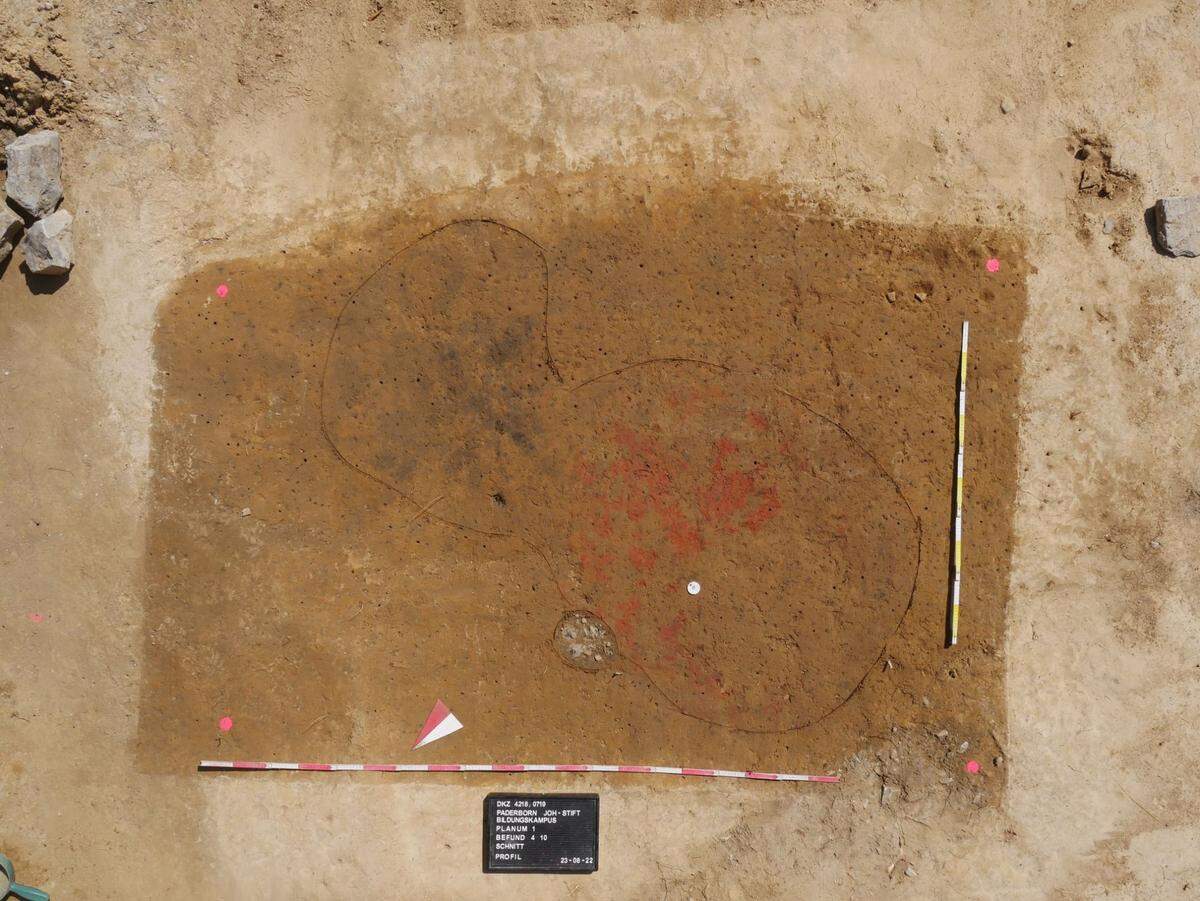
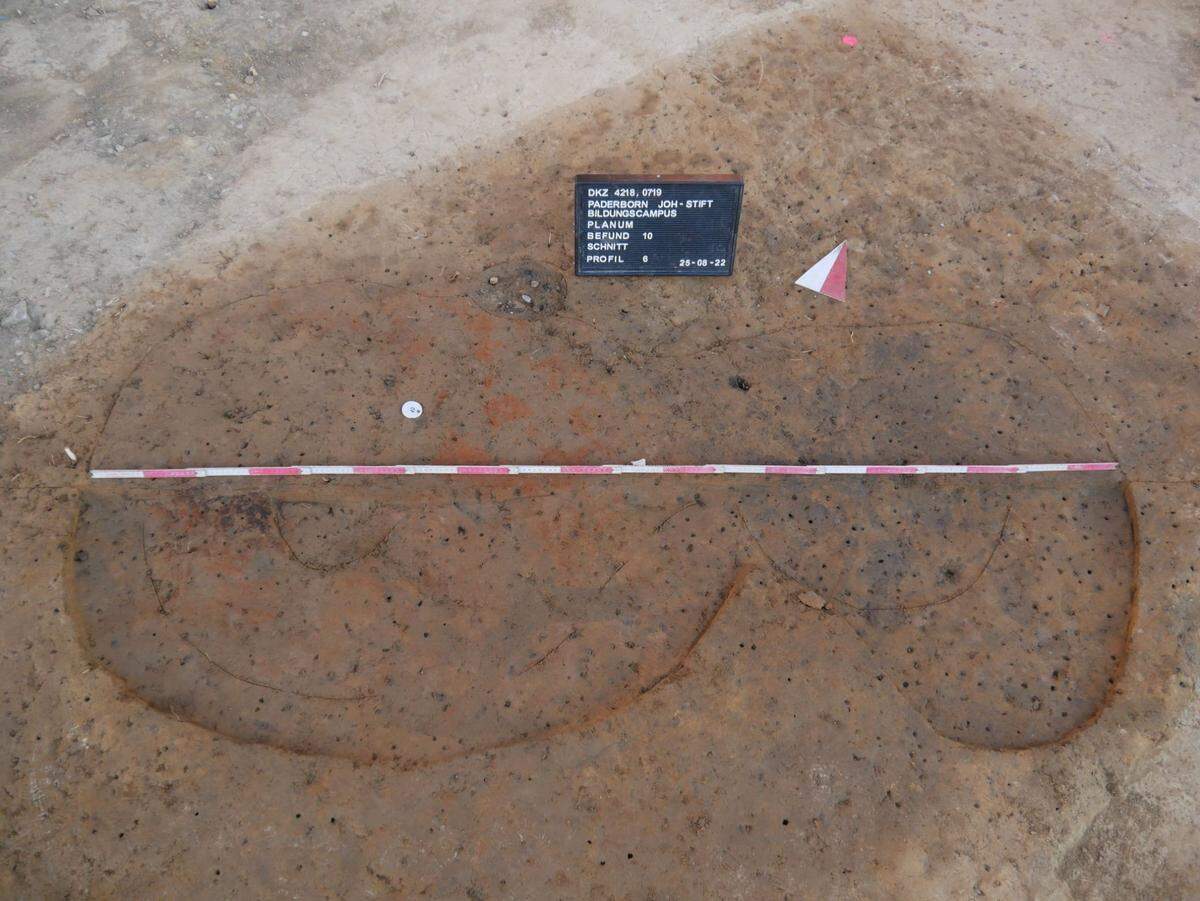
Intrigued, archaeologists started looking for more Roman ruins and uncovered two field ovens. These field ovens had a figure-eight shape and were used exclusively by the Roman military at temporary campsites, known as marching camps, officials said.
To build these ovens, ancient Roman soldiers dug about two feet into the ground, archaeologists said. They heated branches and sod, placing these in one section of the figure eight to create a hot baking surface. Sitting on the other side of the figure eight, the soldier would add the bread loaves, sweep away the ash and monitor the oven.
Photos show the ruins of these temporary ovens.
Archaeologists identified the forgotten ruins as a Roman military marching camp, the release said. The military stayed in these temporary campsites while marching on campaigns to permanent camps.
The ancient Roman empire never conquered all of modern-day Germany, according to Britannica. Instead, the Germanic tribes and the Romans fought each other — and begrudgingly coexisted — for centuries.
The campsite in Paderborn might be linked to Caesar Augustus’ military campaigns along the German countryside, archaeologist Sveva Gai said in the release.
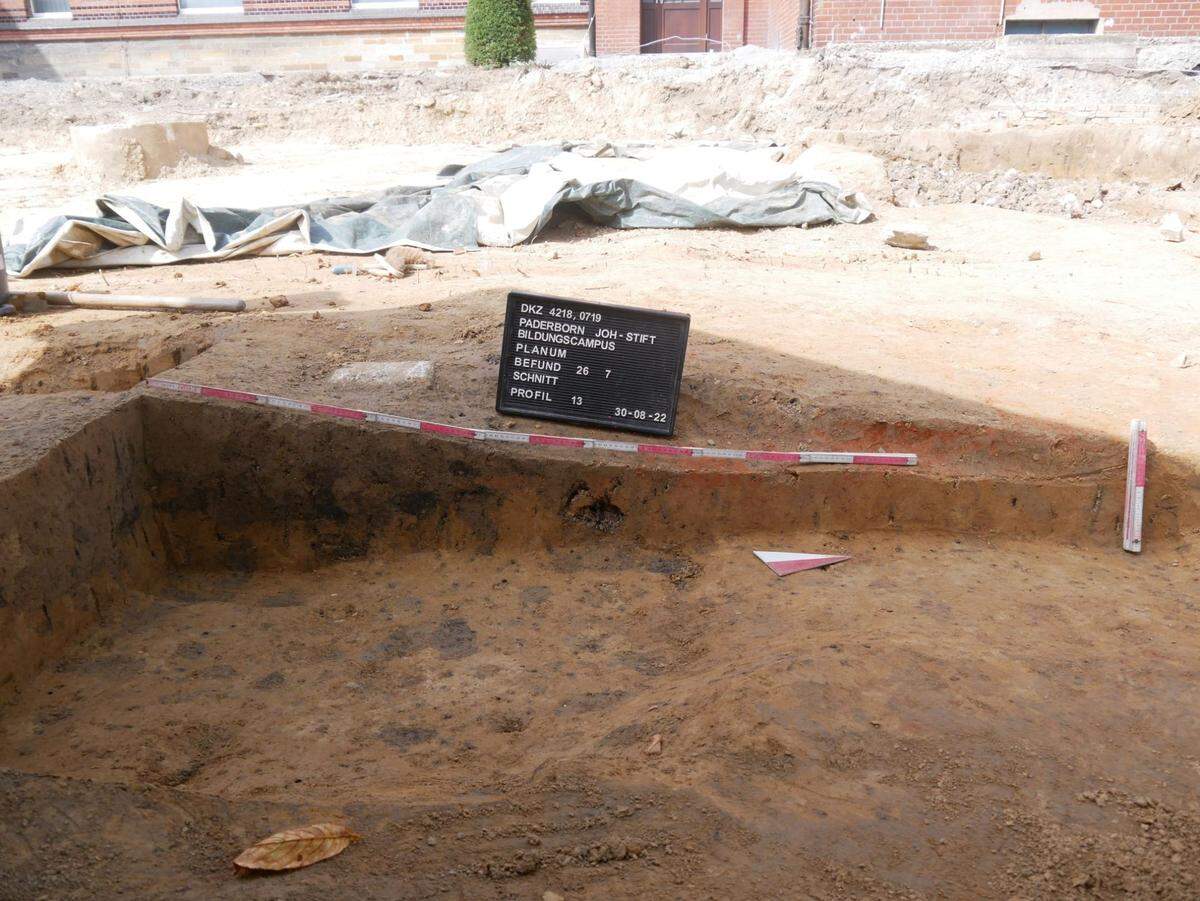
More ruins of the once-forgotten campsite may exist in Paderborn, but the area’s dense old town makes it difficult to excavate, the release said. Still, archaeologists expect to eventually find more evidence.
Paderborn is about 260 miles southwest of Berlin.
Google Translate was used to translate the news release from the Regional Association of Westphalia-Lippe (LWL).
This story was originally published June 27, 2023 at 4:24 PM with the headline "Broken pottery turns out to be wine jars forgotten by Romans over 2,000 years ago."