Ant-eating creature lurking below airport turns out to be ‘ultra-slender’ new species
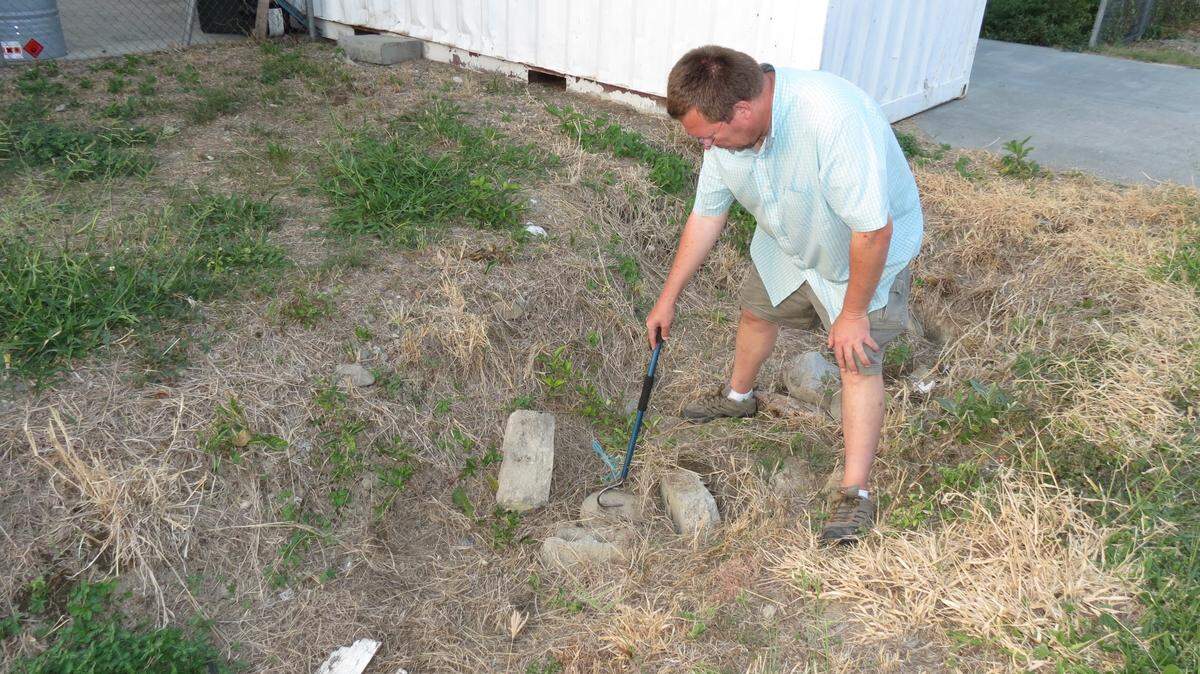
Scientists surveying the southeastern Asian country of Timor-Leste followed several intriguing reports to an airport. Searching the area, they picked up a rock and found a surprising creature “wildly” flailing around underneath.
Looking closer, they discovered it was a new species.
Researchers spent six years surveying reptiles and amphibians across Timor-Leste, according to a study published June 8 in the Canadian Journal of Zoology. Two days before the end of the project, they arrived at the Presidente Nicolau Lobato International Airport in the capital city of Dili.
The research team set out to investigate reports of several snakes around the airport’s fuel depot, the study said.
One researcher, Hinrich Kaiser, turned over several rocks and found an ant colony. When he picked up the bottom rock, an “ultra-slender” snake underneath began” flailing around amid the “aggressive ants,” the researchers said.
Despite the challenging situation, Kaiser captured the snake.
Immediately, researchers were surprised by how long and skinny the snake was. Its body appeared “completely out of proportion” to them, the study said. Looking closer, they identified it as a new species of blindsnake: Indotyphlops laca or Laca’s wormsnake.
Blindsnakes, also known as wormsnakes, are a type of snake known for their primarily subterranean lifestyles and poor vision, the study said. Blindsnakes commonly eat ants, earning them the nickname of the “reptilian ‘anteater.’”
Laca’s wormsnake is relatively small, reaching only about 4.6 inches in length, with a “slender” body, researchers said. The snake was so thin it easily disappeared into the holes of a piece of coconut bark. Photos show the snake slithering in and out of the bark.
The new species of blindsnake has a “reddish or pinkish brown” color, the study said. It had “dark” eyespots but lacked a “discernible pupil and iris.”
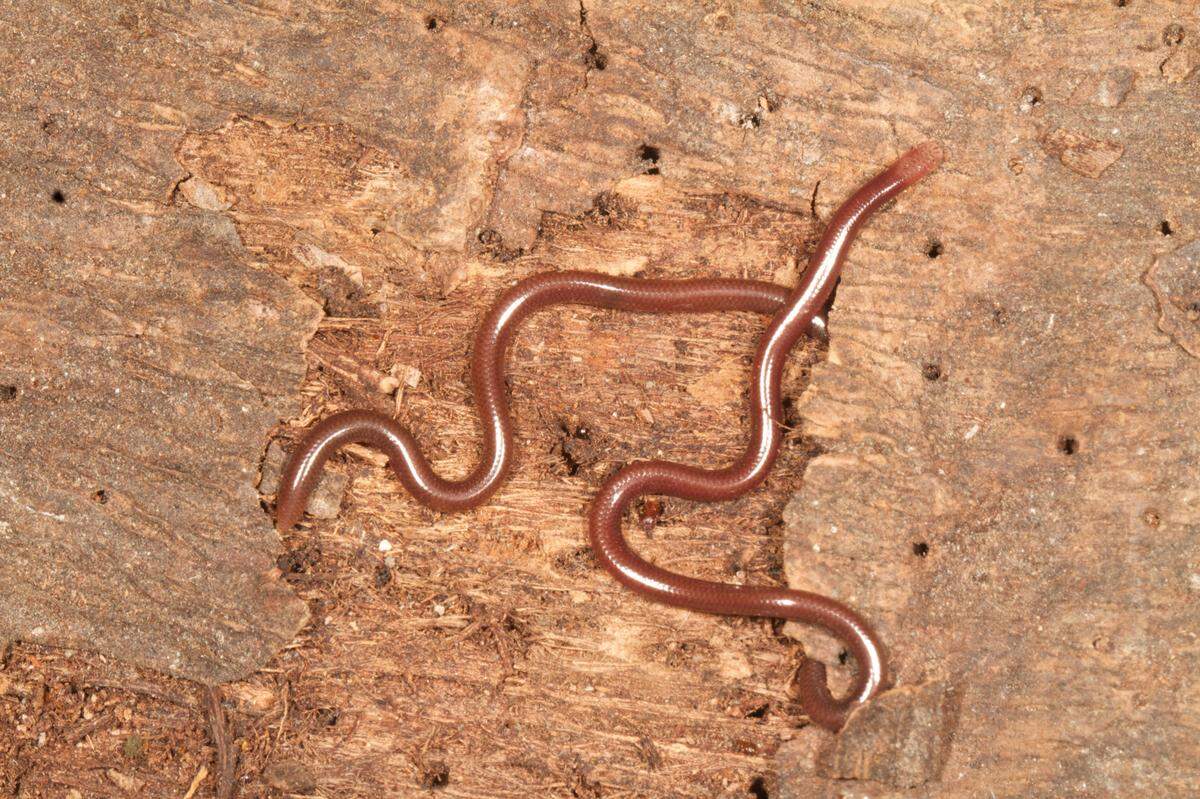
The new species was identified as distinct based on its body shape and habitat, the study said.
“It was entirely unexpected that a specimen collected in such a heavily impacted area should be such a strikingly different new species,” the researchers said.
Laca’s wormsnake was named after one of the Timorese members of the research team: Agivedo “Laca” Varela Ribeiro, whom the study described as “an exceptional field worker and environmentalist.”
Researchers hypothesized that Laca’s wormsnake might live in underground ant colonies as a “deep-dwelling species rarely encountered on the surface.”
Still, they noted that “additional exploration will be necessary to obtain a more complete record of blindsnake diversity and the role these interesting but rarely seen animals play in their respective, secret ecosystems.”
The study co-authors included Mark O’Shea, Van Wallach, Emma Hsiao and Hinrich Kaiser. The fieldwork research team also included Agivedo “Laca” Varela Ribeiro, Luis Lemos de Araujo, Zito Afranio Soares and Venancio “Benny” Carvalho.
O’Shea said in a blog post that the six-year survey of Timor-Leste is believed to have turned up more than just one new species.
“Since we initiated this survey we have documented almost 60 species of reptiles and amphibians, possibly 20% of which are new to science,” he said.

Timor-Leste is on the eastern half of Timor island, an island north of Australia. The country shares the island with Indonesia.
This story was originally published June 16, 2023 at 8:54 AM with the headline "Ant-eating creature lurking below airport turns out to be ‘ultra-slender’ new species."