‘Lost world’ of microscopic life in rocks could be humans’ oldest ancestors, experts say
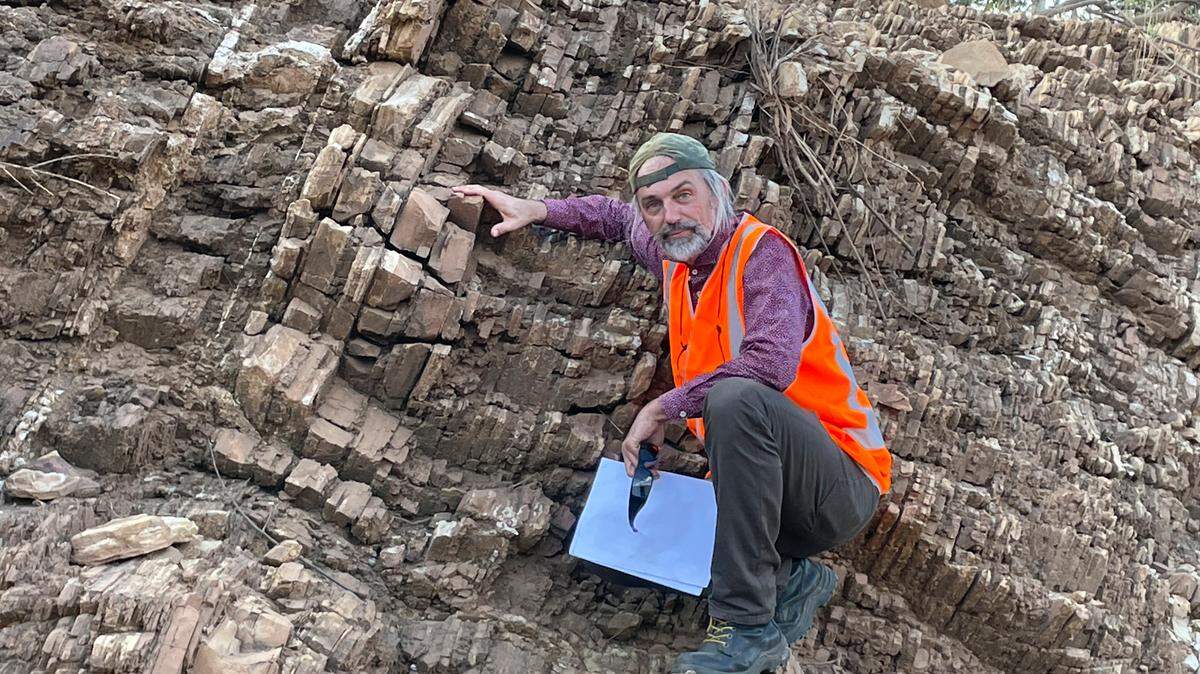
For more than 1 billion years, Earth’s waterways and oceans have been home to a collection of rocks. Nestled at the floor of of the water, these formations have grown over time, stumping scientists with their unusual molecular structure.
“One of the greatest puzzles of early evolution scientists have been trying to answer is why didn’t our highly capable eukaryotic ancestors come to dominate the world’s ancient waterways? Where were they hiding?” Benjamin Nettersheim, a former PhD student at Australian National University, said in a June 8 news release from the school.
While examining a 1.6-billion-year-old rock from the bottom of the ocean near Australia’s Northern Territory, a group of researchers, including Nettersheim, recently solved the decades-long puzzle surrounding the masses — and found humans’ oldest ancestors.
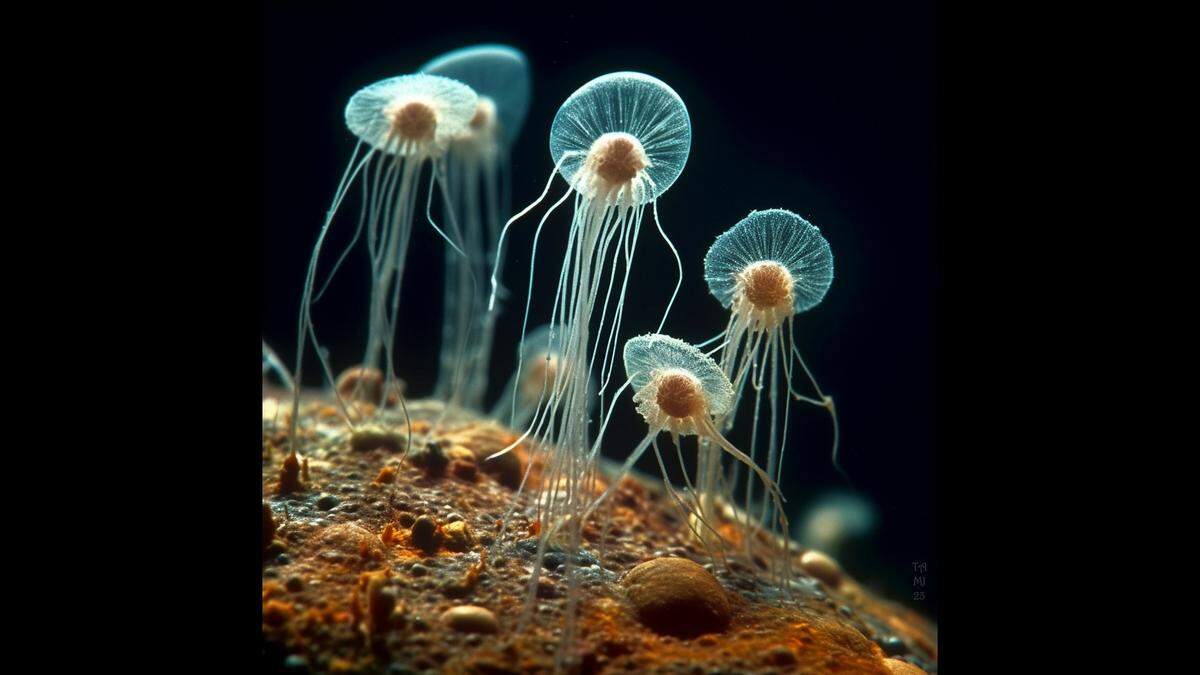
The rock held a “lost world” of ancient organisms, identified as the “Protosterol Biota,” according to the researchers.
“Scientists had overlooked these molecules for four decades because they do not conform to typical molecular search images,” Jochen Brocks, a professor at the university who worked on the project and co-authored a new study about the discovery, said in the release. “Once we knew what we were looking for, we discovered that dozens of other rocks, taken from billion-year-old waterways across the world, were also oozing with similar fossil molecules.”
The team’s study, titled “Lost World of Complex Life and the Late Rise of the Eukaryotic Crown,” was published in Nature on June 7.
Humans’ oldest known ancestors
The ancient microscopic creatures are eukaryotes — organisms with a more complex cell structure — according to experts. Modern eukaryotes include fungi, plants, animals and single-celled organisms. Just thought it was a big to sc
Until now, humans and other eukaryotes have been traced back to the “Last Eukaryotic Common Ancestor” (LECA), which lived more than 1.2 billion years ago, researchers said. However, the discovery of Protosterol Biota suggests that these creatures, including humans, actually trace back much farther.
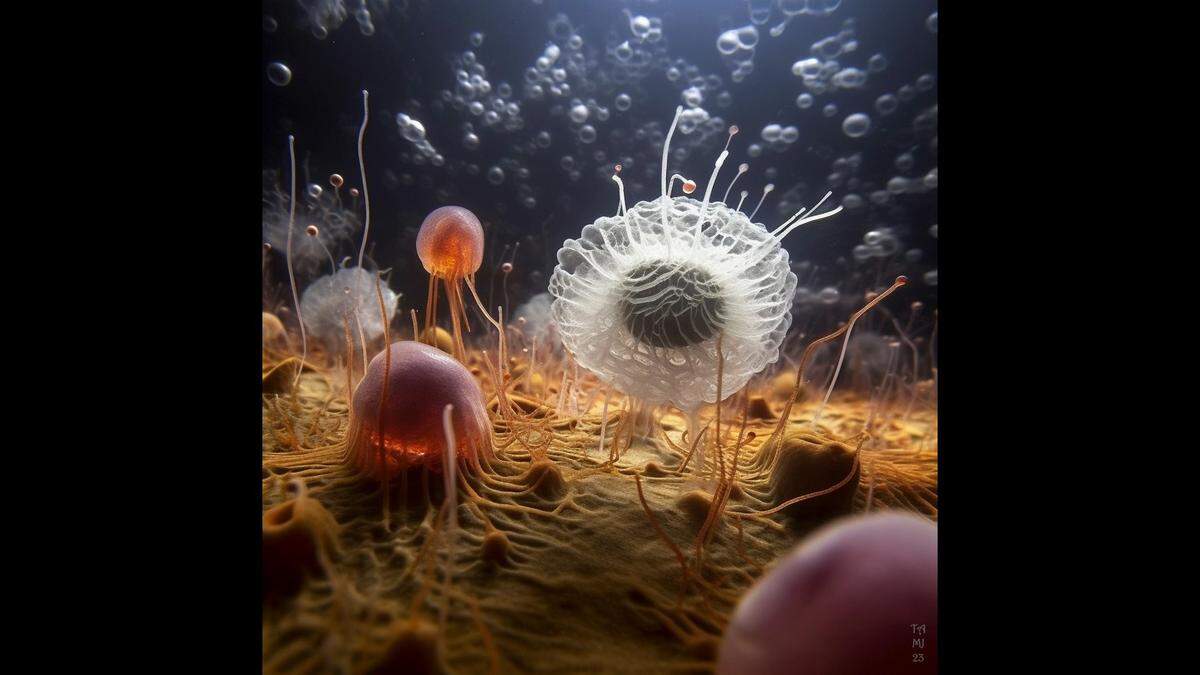
Protosterol Biota likely existed between 1.6 billion and 800 million years ago, according to Brocks.
“Just as the dinosaurs had to go extinct so that our mammal ancestors could become large and abundant, perhaps the Protosterol Biota had to disappear a billion years earlier to make space for modern eukaryotes,” he said in the university’s release.
Earth’s first predators
Protosterol Biota are believed to be Earth’s first and oldest predator, too, researchers said. The creatures likely “hunted and devoured bacteria,” according to Brocks.
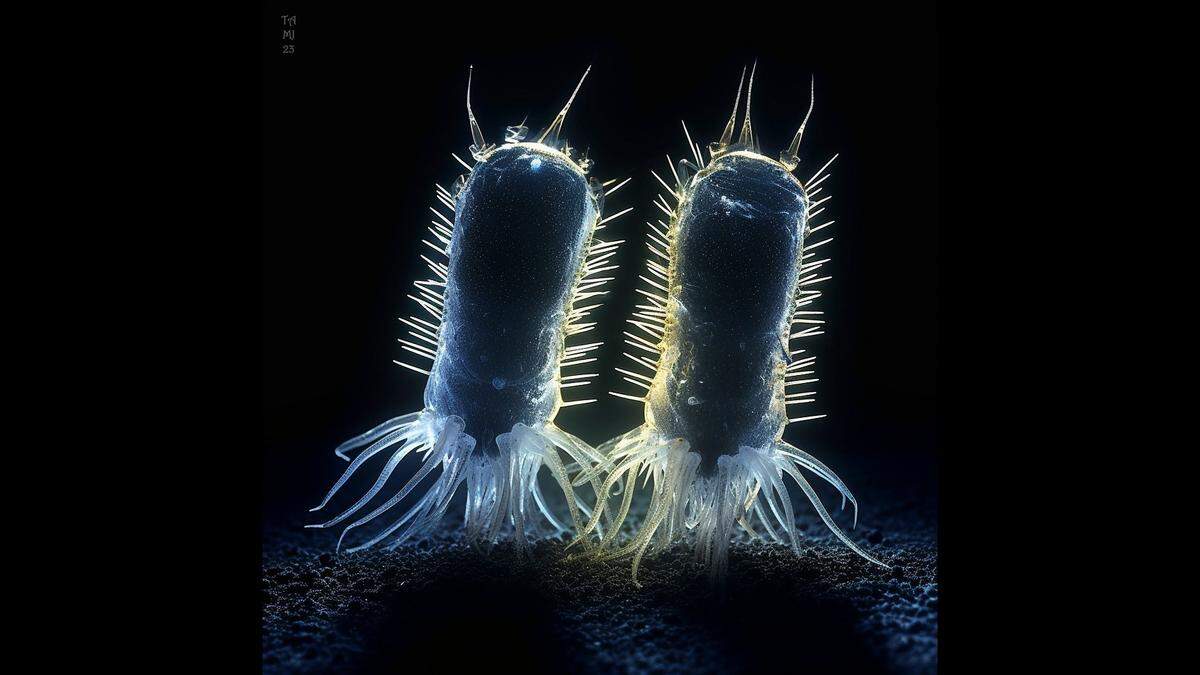
Because of their complex structure, the organisms were likely dominant in Earth’s marine ecosystems, Nettersheim said.
“These ancient creatures were abundant in marine ecosystems across the world and probably shaped ecosystems for much of Earth’s history,” he said in the release. “Modern forms of eukaryotes are so powerful and dominant today that researchers thought they should have conquered the ancient oceans on Earth more than a billion years ago.”
The creatures would have been much larger and complex than bacteria, but researchers said they don’t know exactly what they looked like.
This story was originally published June 8, 2023 at 4:37 PM with the headline "‘Lost world’ of microscopic life in rocks could be humans’ oldest ancestors, experts say."