Mummies with traces of psychedelics reveal ancient rituals in Peru, study shows
Researchers studying mummified human remains from ancient Peruvian civilizations have found evidence of the earliest use of psychedelic plants — in some cases before human sacrifice rituals.
A study of 22 sets of human remains indicated that people in ancient civilizations along the southern coast of Peru used psychedelics, which would also mean they were engaging in long-distance trade, according to research that will be published in the Dec. 2022 edition of the Journal of Archaeological Science. The research was led by Dagmara Socha from the Center for Andean Studies at University of Warsaw.
Researchers say that the findings show the earliest known use of the San Pedro cactus, a source of mescaline, and Banisteriopsis caapi, the main ingredient in ayahuasca.
Trophy heads show traces of psychedelics
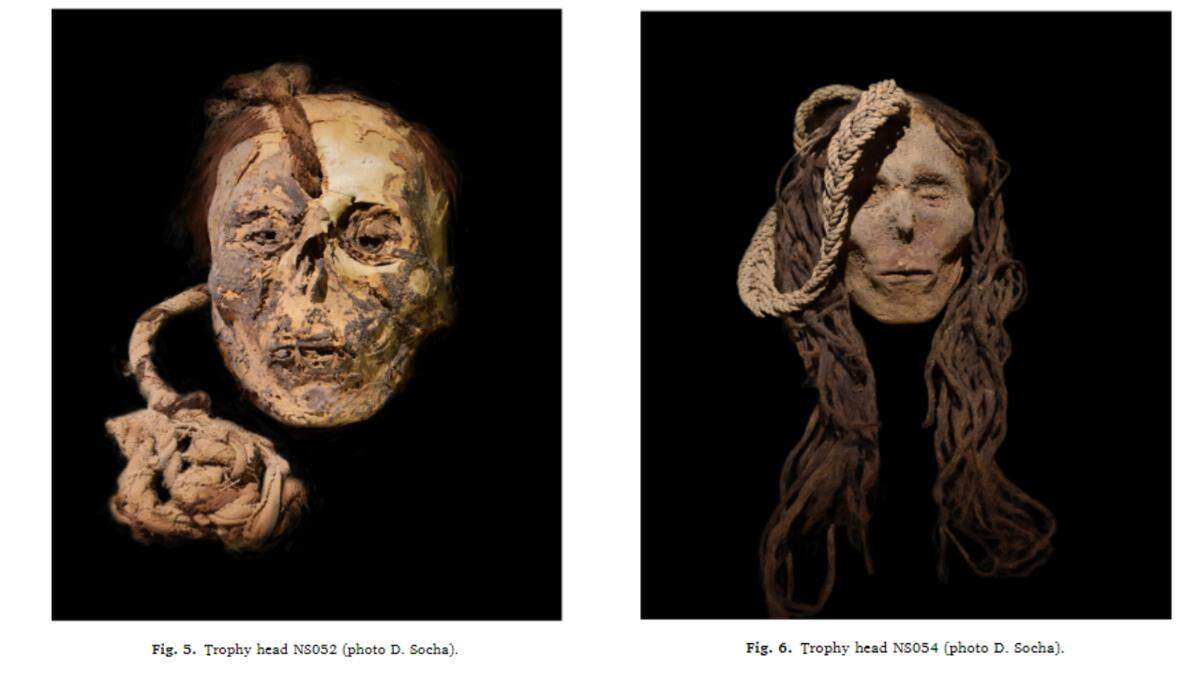
Of the 22 sets of the naturally mummified remains that were examined, four were trophy heads.
The Nazca culture practiced a regular ritual of headhunting, the study reports. Although trophy heads were typically male adults, the study examined two male adults, a female adult and a child of unknown gender.
The study revealed traces of psychedelics on both the female and child’s heads, indicating that they were given stimulants before their deaths. Each of these trophy heads was from the Early Nazca Period (0-450 CE), so researchers say they believe it is likely they came from ritualistic sacrifice rather than warfare.
Tests of the child’s hair found traces of mescaline, indicating that they had consumed San Pedro cactus before their death, the findings show. This plant has been used for its “strong hallucinogenic properties.” The adult female’s hair contained traces of benzoylecgonine, the main metabolite of cocaine, showing that she had chewed coca leaves before her death researchers said.
These findings are the earliest proof that some individuals were given psychedelics before they were sacrificed, according to the researchers.
Evidence of trade routes
The use of psychedelic plants among inhabitants of the southern Peruvian coast also indicates the existence of long-distance trade routes as the plants were not local to their civilization, the researchers said.
For example, Banisteriopsis caapi is native to the Amazonian rainforest region, so it must have been transported west to the South American coast. Coca leaves, too, seem to have been the subject of long-distance trade, and researchers say further research may reveal more about the Nazca’s rituals and religious practices.
This story was originally published November 9, 2022 at 1:38 PM with the headline "Mummies with traces of psychedelics reveal ancient rituals in Peru, study shows."