
Are childhood vaccine policies strict enough or too strict? What a new poll found
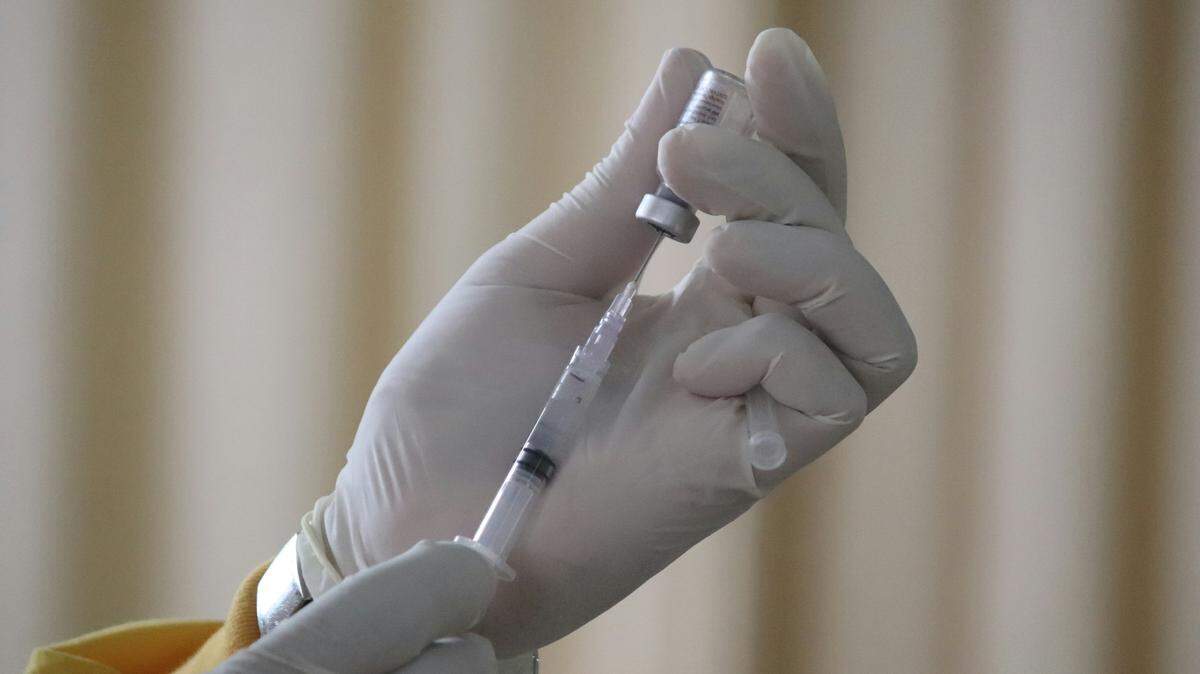
According to new polling, most Americans support their state’s childhood vaccine requirements or believe they are too lenient. The majority also say these policies influence public health — both within their state and beyond.
It follows an announcement from Florida officials, who said they would move to end all vaccine mandates, including for schools, becoming the first state to do so.
Republican officials in the Sunshine State hailed the decision as a victory for medical freedom, while Democrats and health experts condemned it, warning that it could trigger severe outbreaks of preventable diseases.
Public opinion on childhood vaccine policies
In the latest YouGov survey, 47% of respondents said their state’s childhood vaccine policy is “about right,” while 18% said it is “not strict enough.” Just 10% said they are “too strict.”
There were some notable partisan differences. Majorities or pluralities of Democrats (53%), Republicans (48%) and independents (40%) said policies are about right. Meanwhile, 17% of Republicans said they’re too strict, while 11% of independents and only 3% of Democrats said the same.
A majority of respondents also said their state’s vaccine regulations affect the overall health in their state either a great deal (37%) or a fair amount (28%). Smaller shares said these policies influence the state’s broader health not very much (12%) or not at all (4%).
The results were largely the same when respondents were asked about how other states’ policies impact public health in their state.
Most said childhood vaccine requirements in other states impact their state’s health a great deal (26%) or a fair amount (30%). Twenty-two percent said they have little or no effect.
On both of these questions, Democrats were more likely than Republicans and independents to say vaccine policies significantly impact overall health.
The survey was conducted on Sept. 9 with 5,357 U.S. adults. It has a margin of error of plus or minus 1.7 percentage points.
Florida ending vaccine mandates
On Sept. 3, Florida Surgeon General Joseph Ladapo announced the state’s plan to end all vaccine mandates, including for schools.
Florida is the first state to take such a step, as currently all 50 U.S. states require children attending public schools to be vaccinated against diseases like measles, mumps, rubella, polio and chickenpox, according to the Kaiser Family Foundation. Some states allow exemptions for religious or personal beliefs.
“Every last one of [them] is wrong and drips with disdain and slavery,” Ladapo said at a news conference, according to Reuters. “Who am I as a government or anyone else, or who am I as a man standing here now to tell you what to do with your body?”
Republican Gov. Ron DeSantis — who opposed vaccine and mask mandates during the COVID-19 pandemic — spoke in favor of the decision.
“Medical freedom is something that we’ve got to be very conscientious about protecting,” he said during a news conference. “Information given to individuals where then they can make an informed decision should be the bedrock of how we function in terms of health and medicine.”
Democrats in the Florida legislature, meanwhile, telegraphed strong opposition to the planned deregulation.
“This is ridiculous,” Senate Democratic Leader Lori Berman said in a statement. “Florida already has broad medical and religious exemptions for childhood vaccines, so any family that has a sincere opposition to vaccination can [opt out]. Removing the mandate wholesale is dangerous, anti-science, and anti-child. Nobody wants to go back to the days of iron lungs.”
The American Medical Association — made up of physicians from around the country — echoed this sentiment.
“This unprecedented rollback would undermine decades of public health progress and place children and communities at increased risk for diseases such as measles, mumps, polio, and chickenpox resulting in serious illness, disability, and even death,” the group said in a statement.
Florida’s recent policy shift comes as Health and Human Services Secretary Robert F. Kennedy Jr. — known for his vaccine skepticism — has taken steps to reshape national vaccine guidance, including by firing all members of the CDC’s vaccine advisory committee.
It also comes after childhood vaccination rates in the U.S. dipped slightly in 2025, according to the University of Minnesota, and as the country faces its largest measles outbreak in decades, according to Johns Hopkins University.
This story was originally published September 9, 2025 at 1:40 PM with the headline "Are childhood vaccine policies strict enough or too strict? What a new poll found."