‘Chipmunk shark’ lurked 340 million years ago. Its teeth were just found in Kentucky
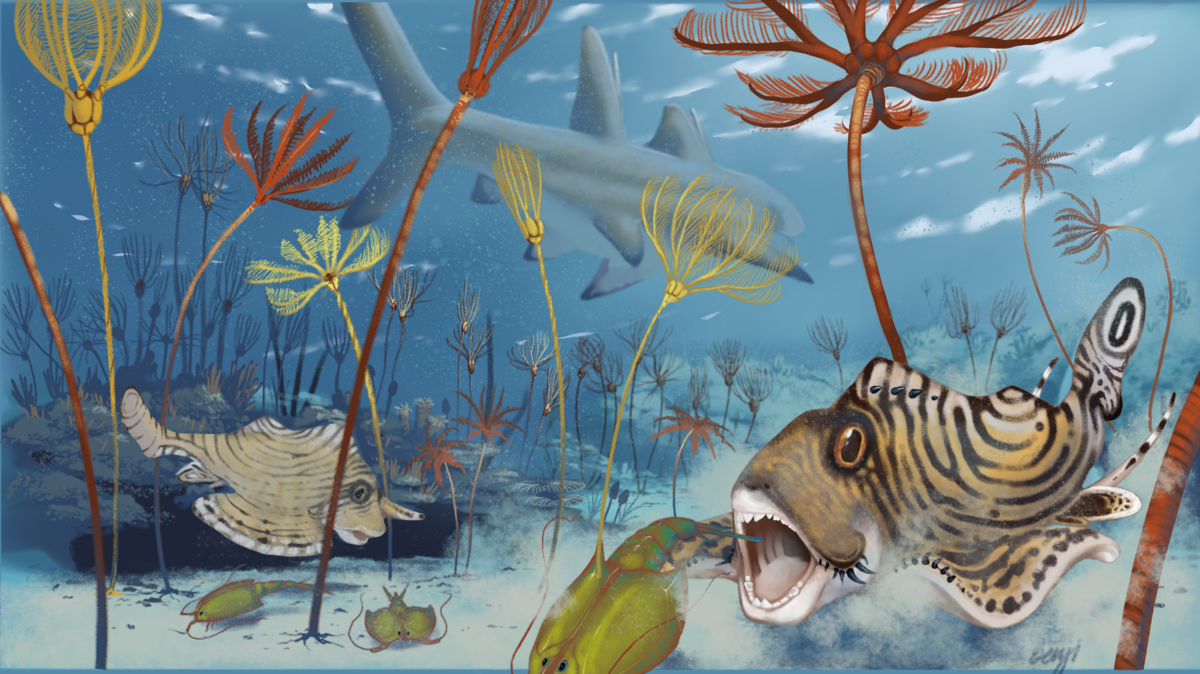
A shark no larger than a human hand that stalked the ancient sea floor 340 million years ago has been dubbed the “chipmunk shark” by researchers who found its fossils in Kentucky.
Clavusodens mcginnisi, or “McGinnis’ nail tooth,” gets its name from the shape of its back teeth, which resemble old iron nails, and retired National Park Service superintendent and naturalist David McGinnis, rangers said in a March 10 news release.
The shark’s distinctive teeth were identified as a new-to-science species during a Paleontological Resource Inventory at Mammoth Cave National Park in southern Kentucky this year. The inventory has been underway since November 2019, according to the National Park Service.
“The fossil discoveries in Mammoth Cave continue to reveal a wealth of new information about ancient shark species,” park Superintendent Barclay Trimble, who kicked off the inventory in 2019 when he found a shark tooth, said in the release. “Researchers and volunteers collected samples from the main Mammoth Cave system and from smaller isolated caves throughout the park that have provided new data on previously known ancient sharks and revealed several species that are brand new to science.”
It’s a new kind of obruchevodid petalodont, small, rare sharks whose fossils are found throughout Mississippian limestone deposits in modern-day Montana, Alabama and Kentucky, which once lay at the bottom of a warm body of water called the Mississippian Sea. These species are between 3 and 4 inches long, experts said.
“Their small size allowed them to avoid larger predators as they foraged on crustaceans, worms, and small brachiopods found along the sea floor,” the release said.
Researchers nicknamed it the “chipmunk shark,” for its “chisel-like front teeth and crushing back teeth,” along with its small size, according to the news release.
The teeth were collected from deep inside the Ste. Genevieve Formation in the park, and they aren’t the first discovery the inventory has turned up.
In 2020, researchers found over 100 shark teeth from at least 10 different species in the park, according to McClatchy News.
In February 2024, scientists identified two new shark species: Troglocladodus trimblei and Glikmanius careforum. Both species are estimated to have been about 12 feet long, McClatchy News reported.
“These discoveries help scientists to better understand the relationship and evolution of modern shark species within this relatively small geographic region,” Trimble said.