It looks like part of Lake Erie is vanishing — but why? Experts have an explanation
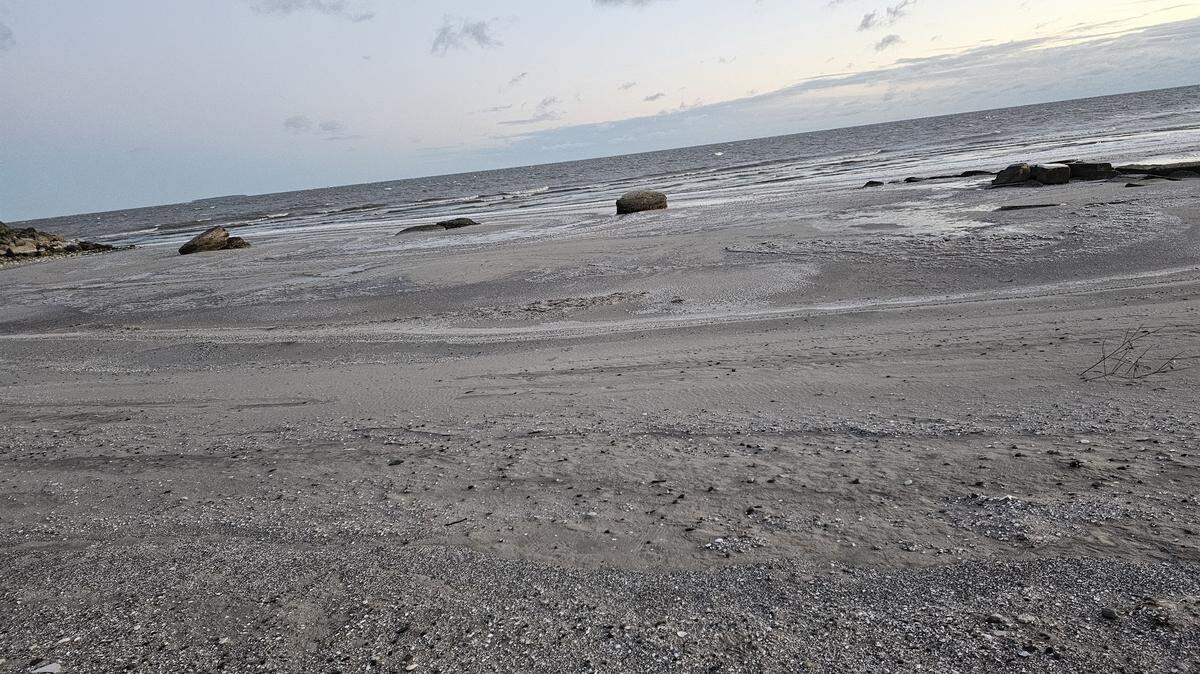
Is Lake Erie shrinking?
Photos shared by the Ohio Department of Natural Resources on Facebook show low water levels, moving the shoreline a significant distance back.
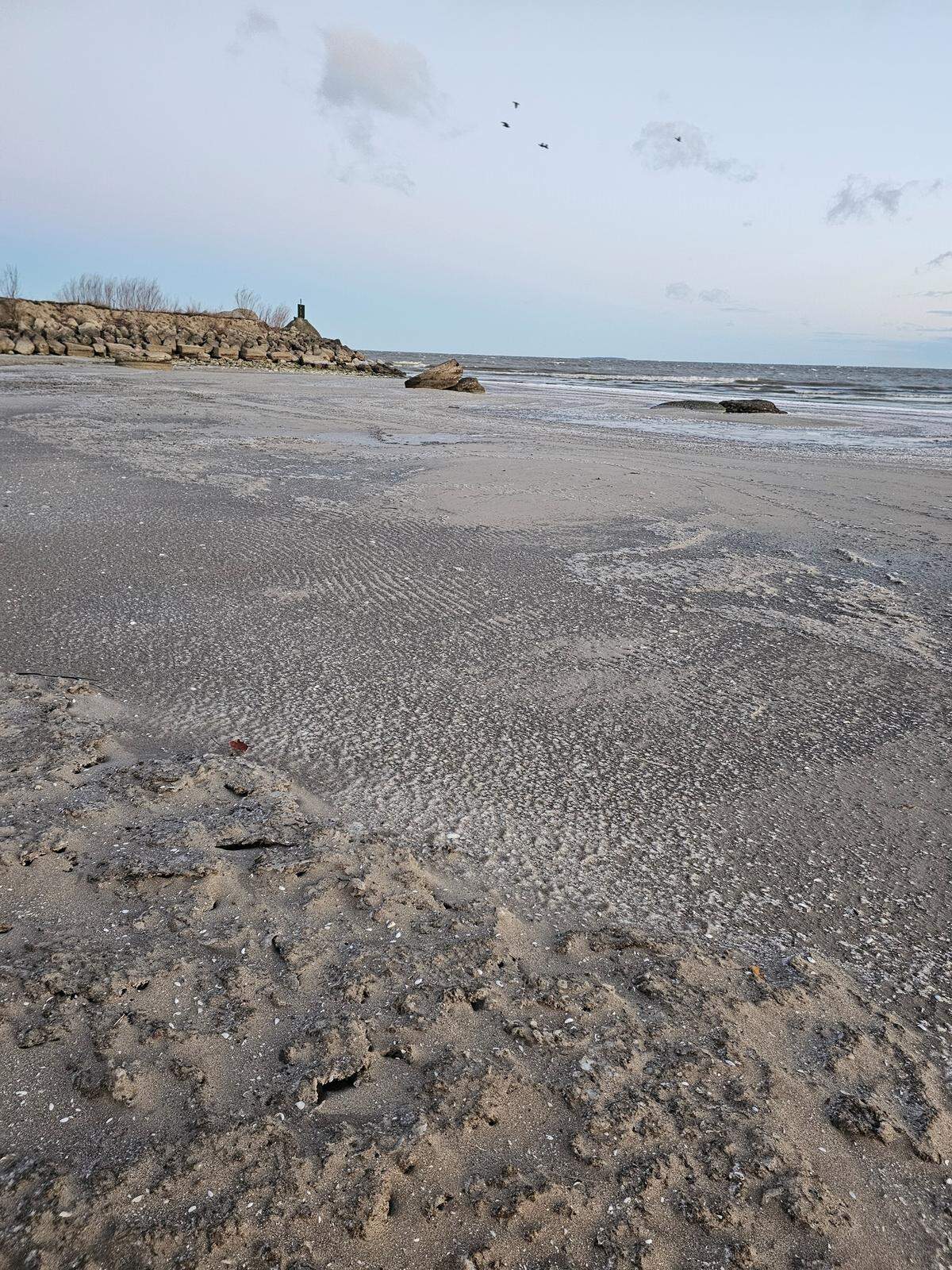
While the waters of the western part of the lake that borders Ohio may look like the it is going to disappear, experts assure it’s not. This is simply a “natural phenomenon” called a seiche.
A seiche is a “standing wave” that occurs when strong winds blow the water, creating an oscillating wave that swings similar to a pendulum, the National Oceanic and Atmospheric Administration said on their website. It can sometimes be mistaken for a high tide.
It’s “similar to when you slosh water in a bathtub,” the department said in a Dec. 6 Facebook post.
Photos show what water levels look like after a seiche where water levels can shift up to 20 feet, Ohio officials said.
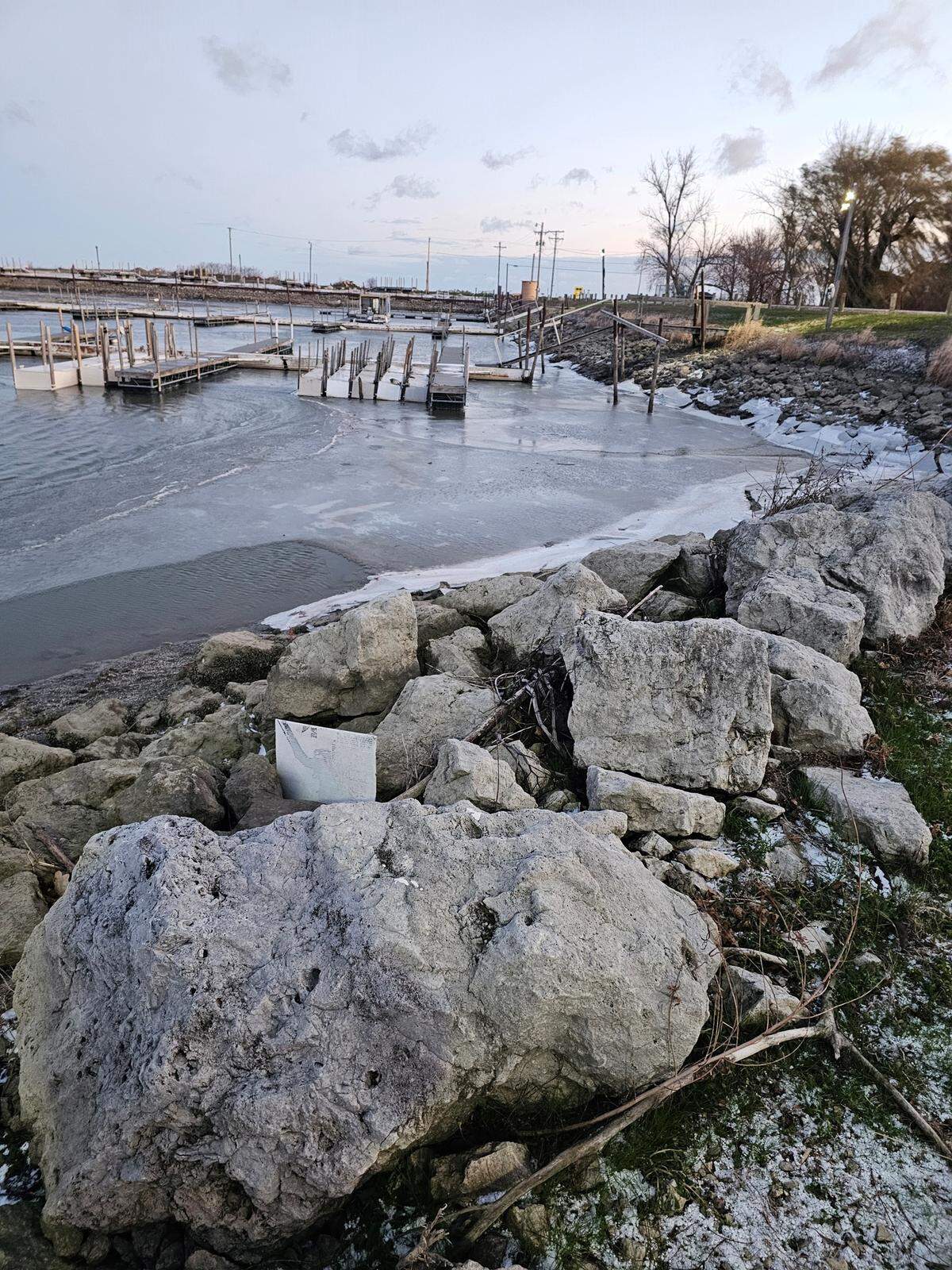
The department says the weather anomaly occurs when wind blows water and moves it to another basin.
“In Lake Erie, seiches happen when there’s a sustained southwest wind which blows water into the northeastern basin or a sustained northeastern wind blows water into the western basin (noreaster),” experts said.
The great lake that borders four states and Canada is actually known for its seiches, NOAA said.
Extreme instances of the phenomenon occurring on Lake Erie have been devastating, according to the NOAA. In 1844, 78 people were killed by a 22-foot seiche at Niagara Falls. In 2008, the wave flooded parts of Buffalo, New York.
Now while the water is “displaced” after the seiche, visitors can get a “unique look” at the floor of the lake.