‘Large’ sea creature — with ‘unique’ tentacles — discovered as new species in Florida
Scuba divers strapped on their gear and plunged into the darkened water off the coast of Florida. Equipped with flashlights, the divers searched the depths and found a “large” sea creature with “unique” tentacles.
It turned out to be a new species.
Peter Schuchert and Richard Collins surveyed marine life near Palm Beach during 91 nighttime scuba dives over the span of several years, according to a study published April 30 in the peer-reviewed journal Revue suisse de Zoologie. During their dives, they searched for a group of ocean animals known as hydromedusae.
Commonly referred to as jellyfish because of their appearance, hydromedusae are scientifically known as hydrozoans. These small animals live in deep water and only come to the surface at night, making them hard to find.
Over the course of their dives, researchers encountered three unfamiliar-looking hydromedusae, the study said. They photographed the “large” sea animals and captured two.
Taking a closer look, researchers realized they’d discovered a new species: Zancleopsis grandis, or the large Zancleopsis jellyfish.
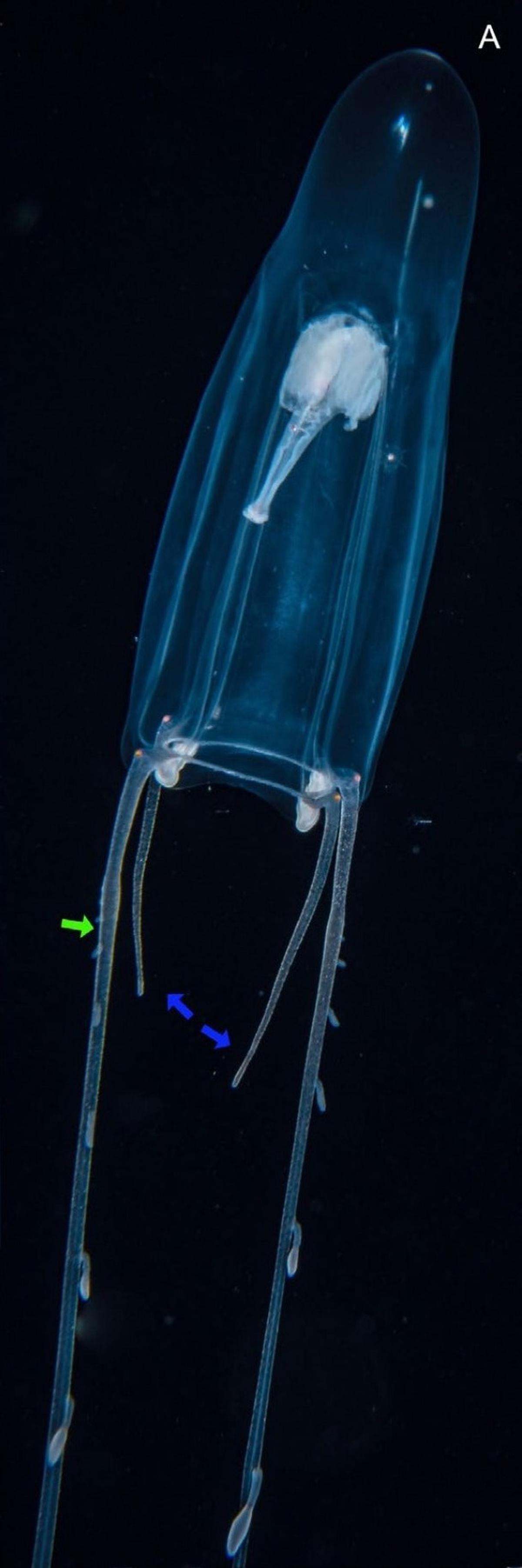
The new species of jellyfish is considered “relatively large,” its body reaching just over 1 inch in height and its tentacles measuring over 2 inches in length, the study said. Its body shape shifts as it moves but is generally long and narrow. It has two “long tentacles” covered in “unique,” “giant” bulbs.
One photo shows a large Zancleopsis jellyfish stretched out. The bulbs on its tentacles are less pronounced and more “club-shaped.”
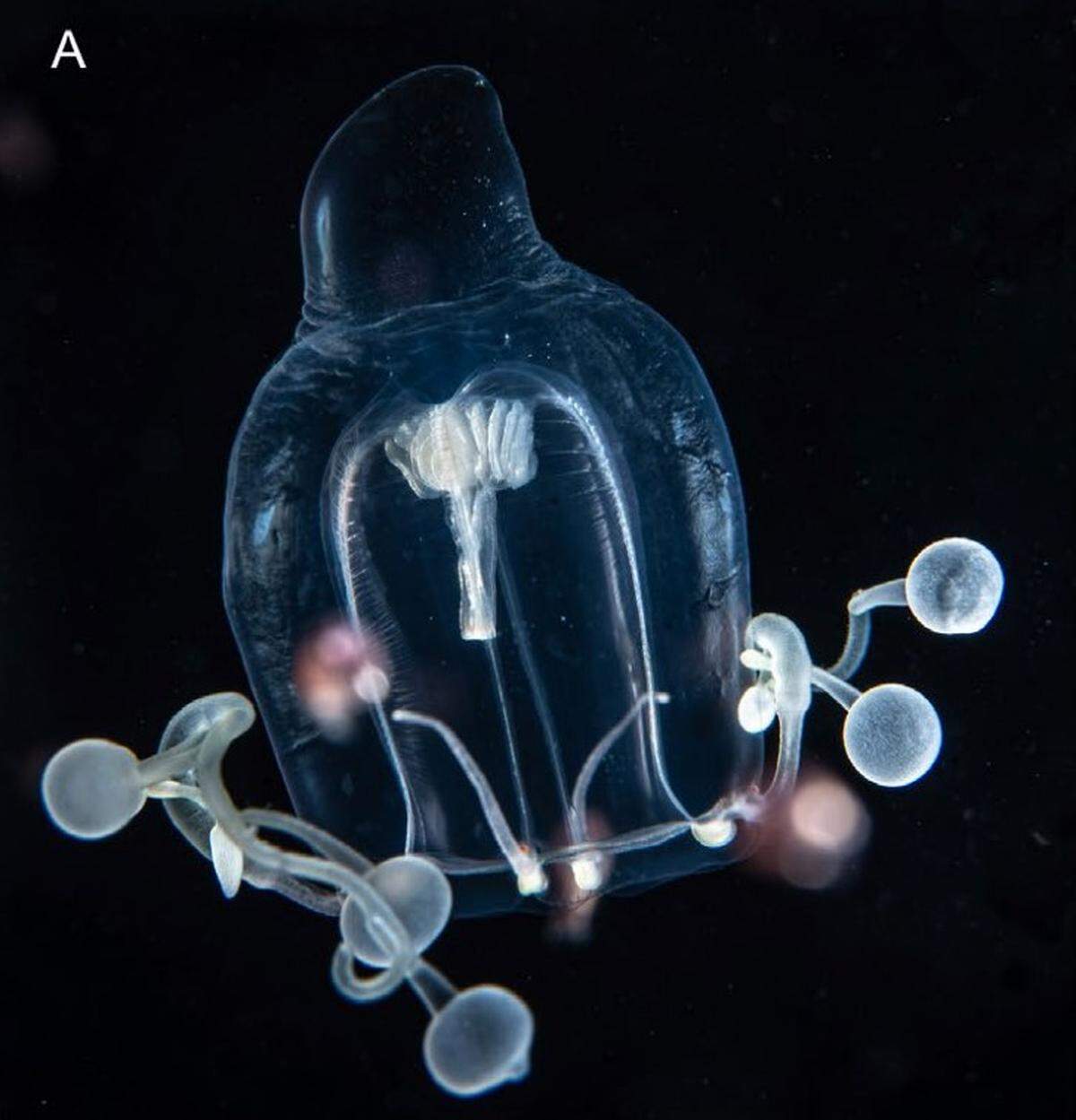
Another photo shows a large Zancleopsis jellyfish with its body and tentacles pulled together. The bulbs appear much rounder and more prominent.
Researchers said they named the new species “grandis” because of its “large size” and the “very large” bulbs on its tentacles.
Like other hydromedusae, the new species uses jet-propulsion to move through the water, a process, study co-author Peter Schuchert told McClatchy News. This process involves sucking in water, then squirting it back out through a narrowed opening.
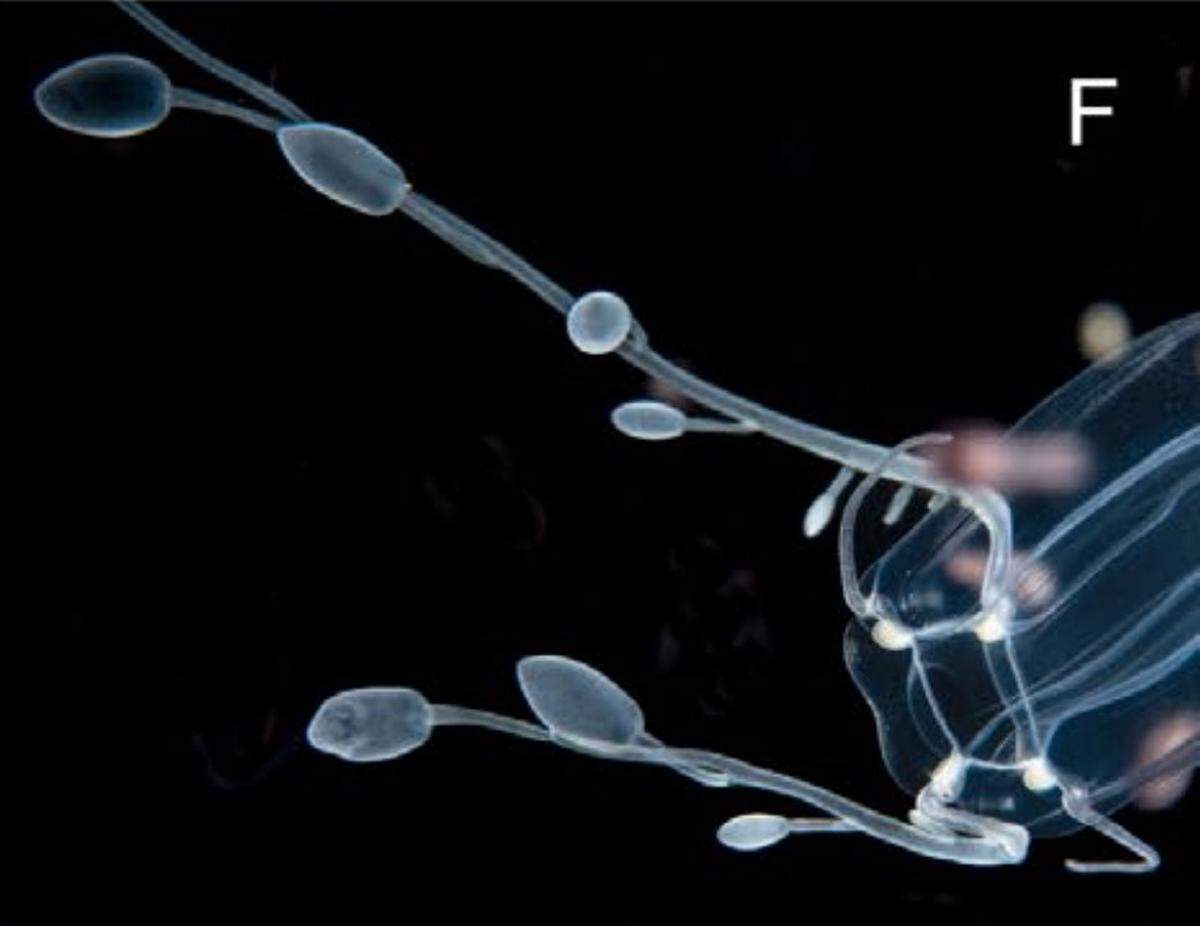
Although some hydromedusae species glow, or fluoresce, the new species does not, co-author Richard Collins told McClatchy News via email.
The new species was identified by its tentacles, size, DNA and other subtle physical features, the study said.
Researchers also discovered a second new species of jellyfish and documented dozens of others.
“Part of the work we are doing is to demonstrate and document the amazing oceanic biodiversity here in Florida,” Collins said. “Florida waters are well-studied relative to most of the world’s oceans, and yet there is still so much to learn and discover.”
This story was originally published May 13, 2024 at 12:56 PM with the headline "‘Large’ sea creature — with ‘unique’ tentacles — discovered as new species in Florida."