Invasive aquatic species could spread after crawfish shipment to Arkansas, officials say
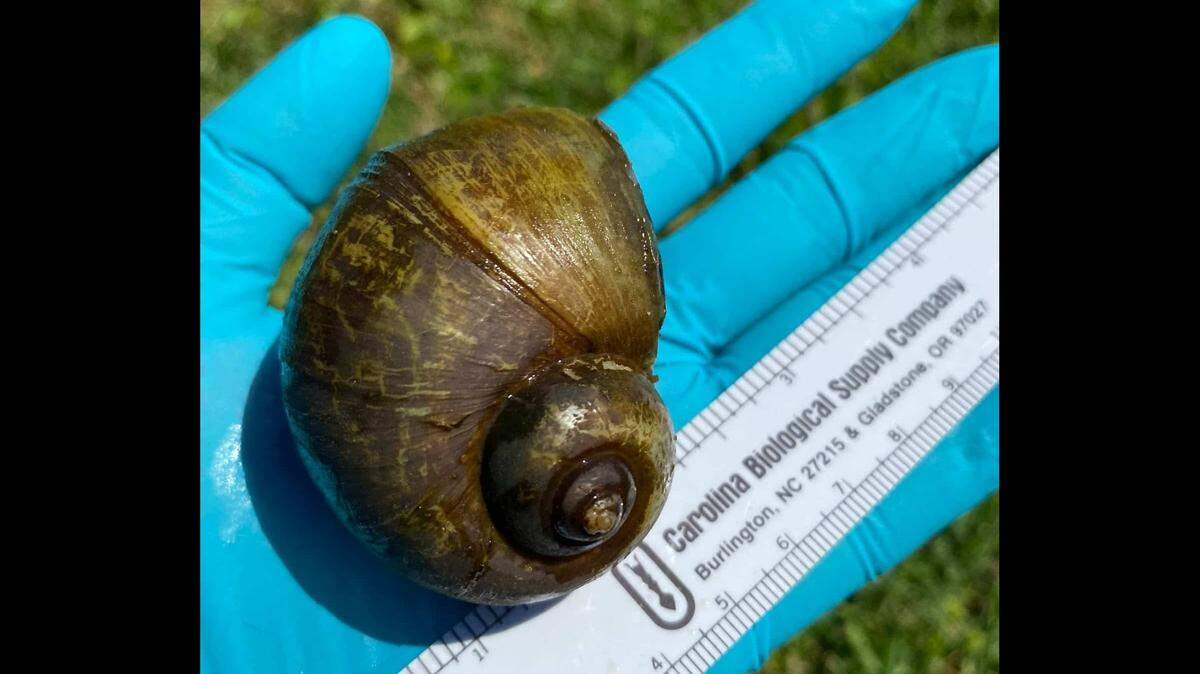
A shipment of crawfish from Louisiana to Arkansas poses the risk of helping an invasive species spread, according to officials.
The Arkansas Game and Fish Commission is asking for the public’s help in preventing the spread of giant apple snails, according to an April 9 news release.
The risk comes after live crawfish were recently shipped to Arkansas from Louisiana.
Although the giant apple snails have been seen in Louisiana for many years, they are not found in the wild of Arkansas, officials said.
“The Arkansas Game and Fish Commission has worked with the state of Louisiana to prevent the spread of this invasive species through many potential pathways of introduction, including aquarium pet releases and educational campaigns on cleaning of boats and recreational equipment,” officials said in the release.
The species is native to South America and has been documented in several U.S. states, including Florida, Arizona, Texas, Mississippi, Alabama, Georgia, South Carolina and North Carolina.
“Apple snails consume large quantities of aquatic plant material, damaging important habitat for native fish and wildlife. They cause significant damage to rice crops in Asia and are considered a serious rice crop pest in the U.S., affecting rice production in Texas, Louisiana and Florida,” officials said.
They can threaten human health and may carry rat lungworm, “a parasite that can infect mammals (including humans) through the consumption of uncooked snail meat or contaminated produce,” according to the release.
They can also cause skin and eye irritation.
Giant apple snails are about 2 to 4 inches tall, are typically found in water and can survive in low oxygen conditions.
“They lay bright pink egg masses just above the water on tree stumps and other objects. Each cluster contains on average 1,500 to 2,000 eggs, and females can lay a new cluster every 5 to 14 days,” officials said.
Anyone who comes across a giant apple snail, pink egg mass or “aquatic snail larger than a quarter” is asked to take a photo and report the location.
If you found them in live crawfish shipments, you can report it at www.agfc.com/ans. If you find the snails in the wild, you can report it on the Aquatic Nuisance Species Reporting Form on that site or contact Matt Horton, Aquatic Nuisance Species program coordinator at 501-604-0485.
Snails can be disposed of by double bagging them in a garbage bag and taping the bag shut. You can also place the bag in a freezer for 24 hours before throwing it away.
“Do not discard apple snails onto the ground, in a ditch, pond, or other natural environment or keep them as a pet. Wear gloves and thoroughly wash hands with hot soapy water after handling snails,” officials said.