
Thousands of photos from the public help track humpback whale population, study says
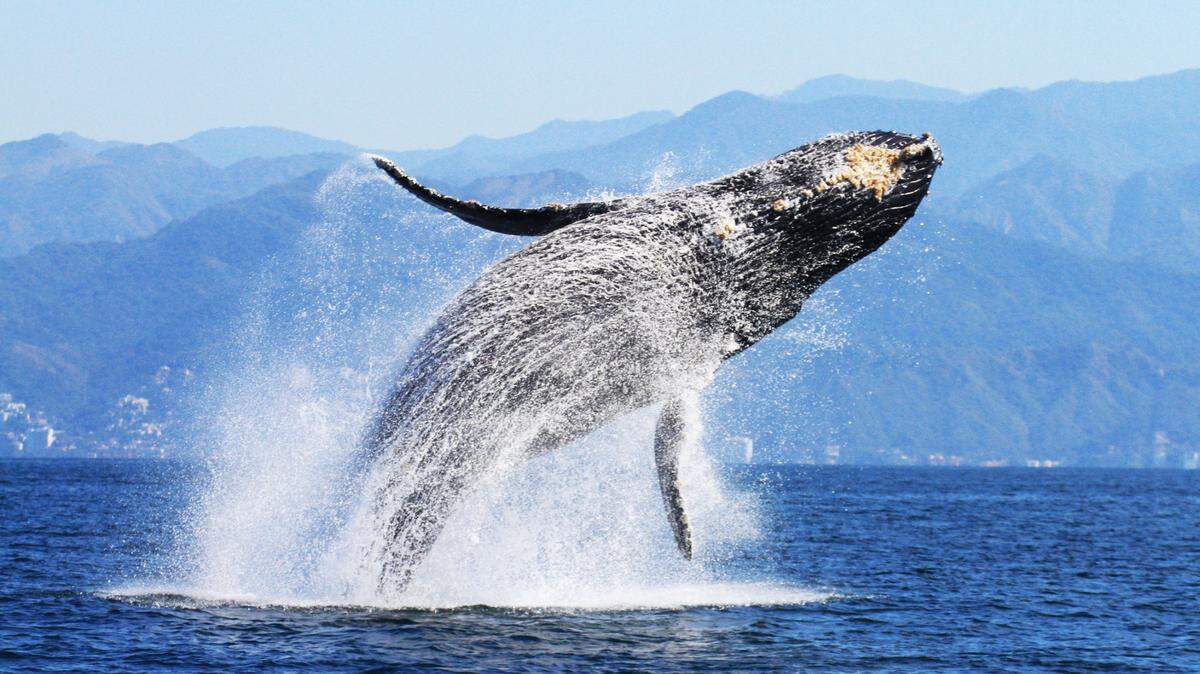
How do you track tens of thousands of humpback whales to help monitor changes in their population?
By enlisting the help of the public via crowdsourced photos of individual whales, researchers say in a newly published study.
The study, published Wednesday, Feb. 28, in Royal Society Open Science, charts changes in the population of North Pacific humpback whales from 2002 through 2021.
Researchers worked with 40 organizations in 10 nations to collect data, lead author Ted Cheeseman of Santa Cruz told McClatchy News.
They also solicited help from the public by creating the site Happywhale.com, where people could submit photos of individual whales.
“We asked whale watch guides, enthusiasts and the general public to upload photos of humpback whale tails with the promise that we would ID the whales as best we could and tell them what we learned,” Cheeseman said.
Humpback whales are normally identified by the distinctive markings on their flukes, or tails.
The site also allowed participants to track “their” whales as they migrated around the Pacific Ocean using photos shot by others, Cheeseman said.
The site had a “wonderfully positive” response, he said.
“For the science, we want to gather a big database of many encounters of as much of the population as possible,” Cheeseman said. “For most contributors though, what’s really special is getting to know ‘your’ whale, because every animal is an individual and there’s just so many great stories and personal experiences that we’re able to add to.”
Nearly 4,300 individuals contributed to the photo database, which collected tens of thousands of photos in all, according to the study.
The Pacific Whale Foundation alone provided more than 28,000 photos, according to Happywhale.com.
The photos were matched using artificial intelligence to track sightings of individual whales and help build a picture of the overall population, Cheeseman said.
The study found that the North Pacific humpback whale population rebounded to a peak of about 33,000 in 2012 following an international ban on commercial whaling, but then fell to about 26,000 by 2021.
Researchers attribute the 20% decline in part to a marine heatwave from 2014 to 2016, attributed to climate change, the study reported.
Humpback whales are found in oceans around the world, according to the National Oceanic and Atmospheric Administration.
They reach up to 60 feet long and can weigh up to 40 tons. Humpback whales can live up to 90 years, the NOAA said.
This story was originally published February 28, 2024 at 11:04 AM with the headline "Thousands of photos from the public help track humpback whale population, study says."