Clawed creatures form ‘conveyor-belt’ mass resembling a snake. See new Alaska species
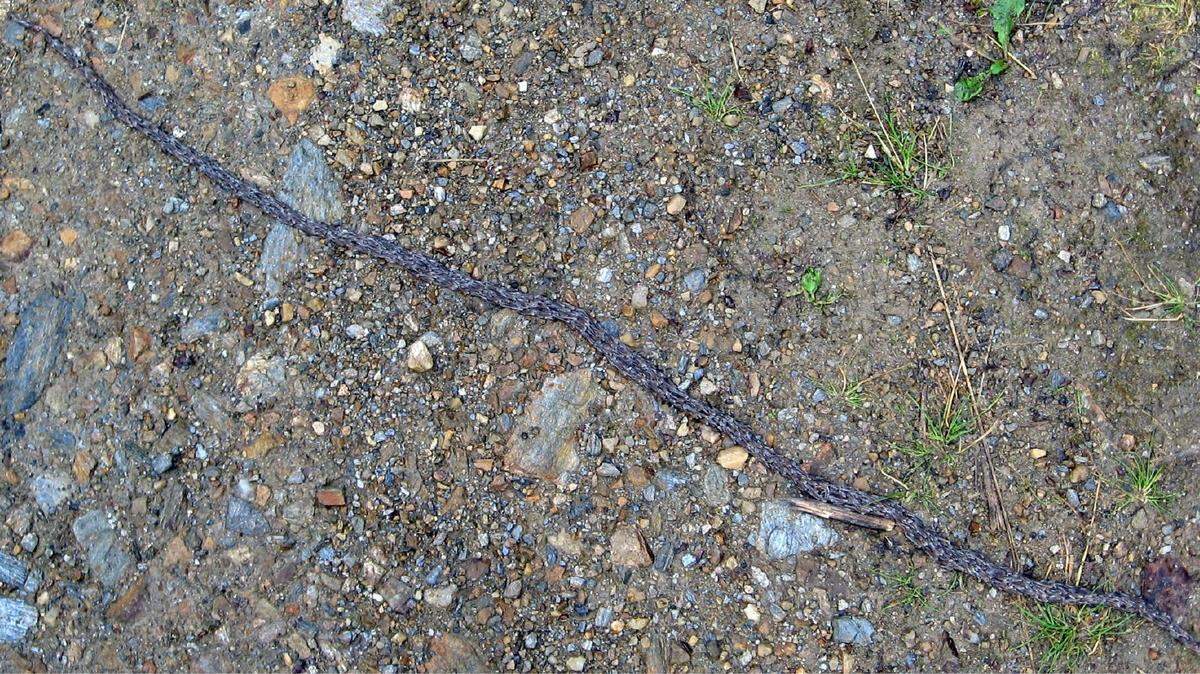
More than 16 years ago, Margaret Billington noticed a strange mass of fly larvae near her home in Alaska. A few weeks later, another report of a peculiar mass was reported nearby.
After learning of the sightings, researcher Derek Sikes visited one of the sites in Fairbanks where he collected some of the larvae and took photos.
Now, Sikes and a team of researchers have identified the larvae as a new species of gnat: Sciara serpens, or the snakeworm gnat, according to a study published Dec. 30 in Integrative Systematics: Stuttgart Contributions to Natural History.
Sciara are known as “dark-winged, dusty-winged, or black fungus gnats,” scientists said. There are 27 known genera in North America, but this new discovery marks the first well-known species from Alaska.
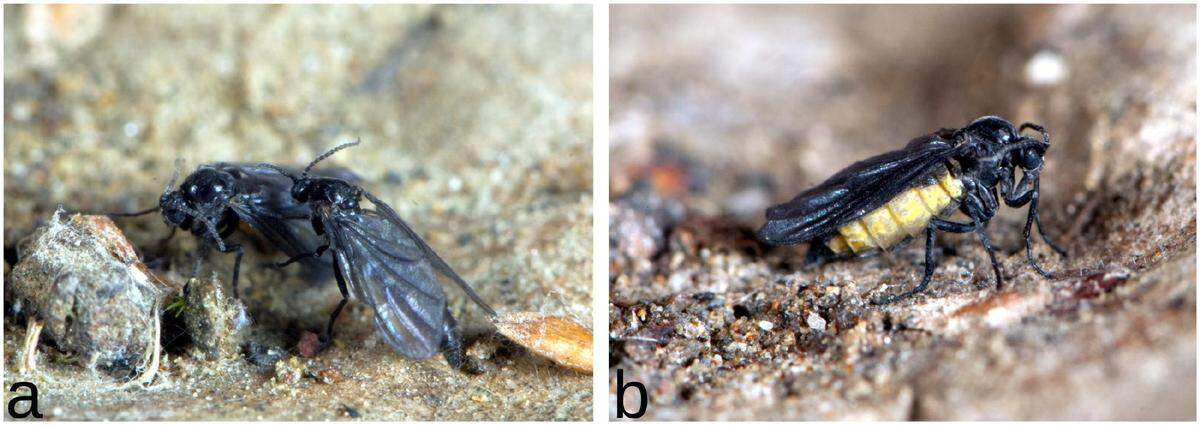
The team examined 36 adult gnats, 18 specimens between their adult and larval stages and hundreds of larvae, they said. They also used existing literature, University of Alaska museum records and reports from citizen scientists to study the new species.
The new species is described as a brown creature with black wings, according to experts. Their claws have no teeth and their faces have eight to ten bristles or stiff hairs.
Adult females are larger than males, the study said. The creatures were distinguished from other species of gnats through DNA analysis and by their appearance, including their genitalia.
Snakeworm gnat larvae form “migratory columns” in which they “crawl on top of one another in multiple layers” to maintain body contact, scientists said. These masses are “snake-like” in “movement and appearance,” and they often resemble “a thin, gray snake.”
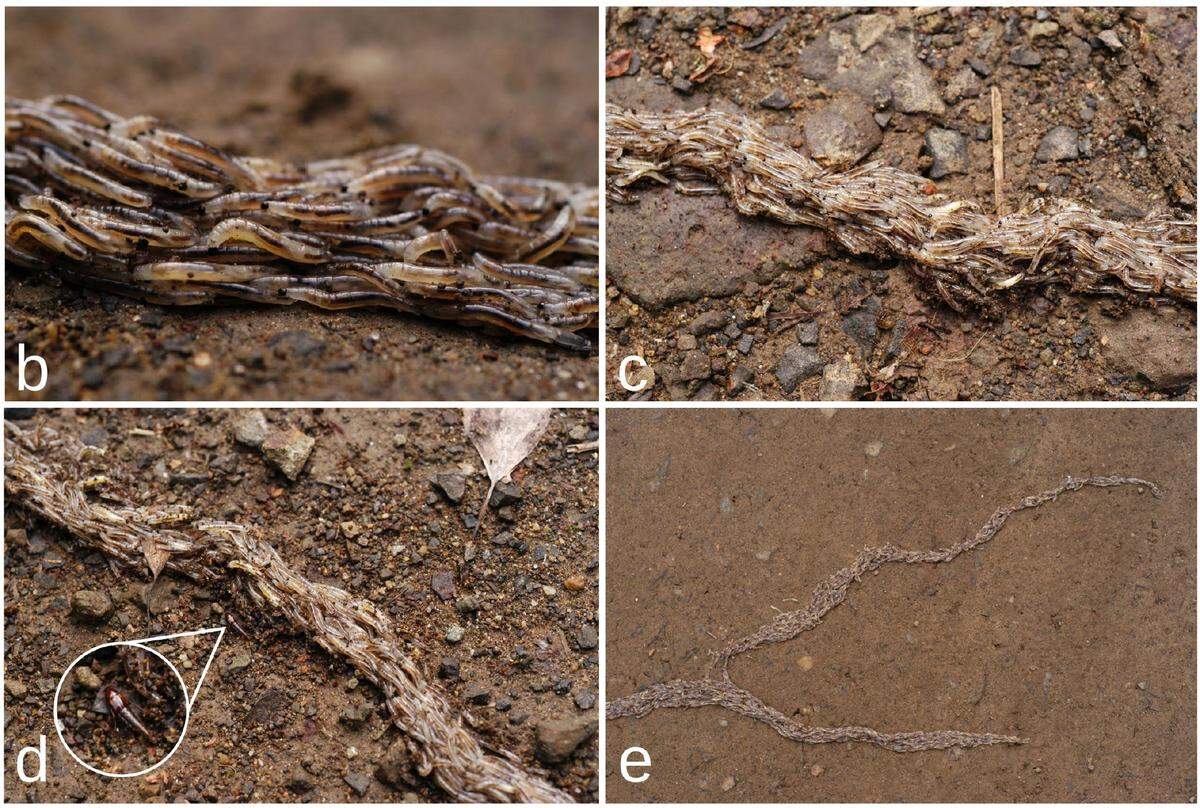
The masses function like a living “conveyor-belt,” according to experts.
“The larvae in the rear crawl over the top of their companions and make faster forward progress than those on the bottom, who eventually are exposed and commence moving on top of those who have already progressed,” they said.
Researchers said it is still not clear why the creatures form these masses, but there are several hypotheses.
Some explanations for why the larvae create the snakeworms include food depletion, stress from overpopulation, habitat selection and to make up for a lack of dispersal during adulthood, experts said.
There are also tentative explanations for why the creatures stay so close together, including mating, finding new habitats, warding off predators and easing digestion.
The study’s co-authors argued a two-fold explanation, explaining that staying together helps with water retention and wards off predators by creating a larger size.
The new species was named after the Latin word for snake. Researchers chose the name with the help of participants in ”bug camps” at the University of Alaska in an attempt to engage the community, they said.
This story was originally published January 2, 2024 at 2:42 PM with the headline "Clawed creatures form ‘conveyor-belt’ mass resembling a snake. See new Alaska species."