Thousands of birds mysteriously die in Utah, officials say. What may have killed them?
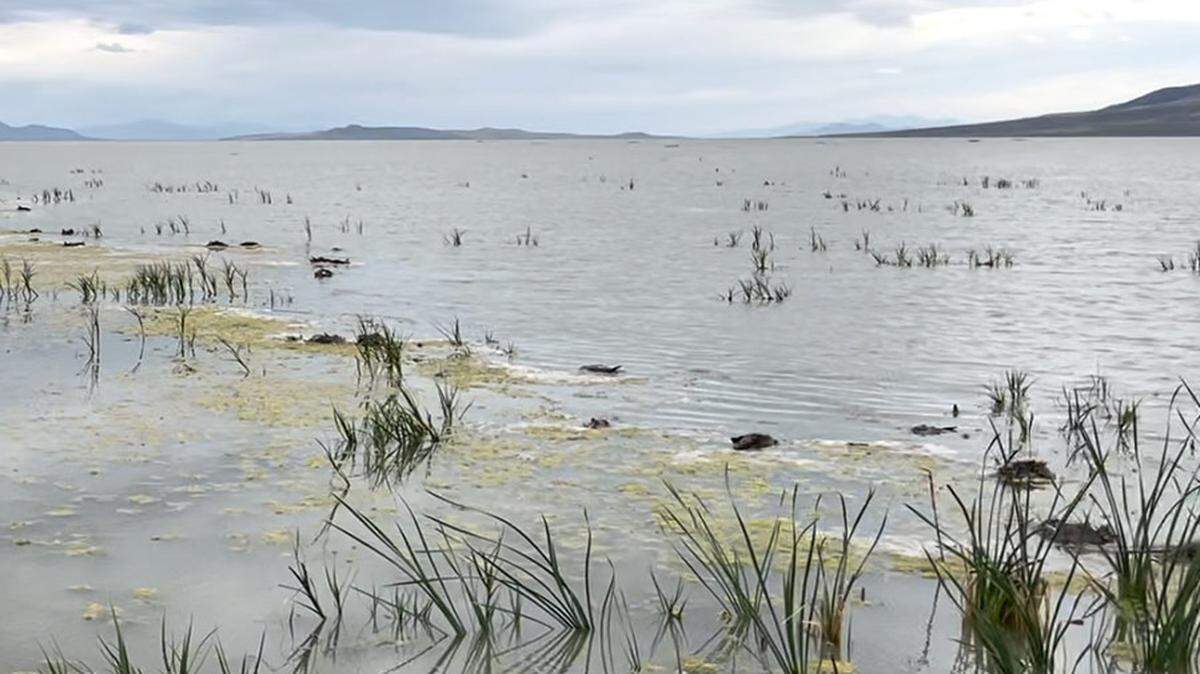
Thousands of birds turned up dead or dying in northern Utah, and wildlife biologists are on the hunt to find out what killed them.
Biologists with the Utah Division of Wildlife Resources first discovered the thousands of dead and sick birds in mid-September in waterfowl management areas north of Salt Lake City, officials said in an Oct. 5 news release.
The biologists collected several of the birds and submitted them for disease testing, officials said. So far, the birds have tested negative for highly pathogenic avian influenza — which has decreased in the state this year.
So what’s killing them? Biologists suspect avian botulism, an often fatal paralytic disease that results from birds ingesting a toxin from a bacteria found in warm waters during summer and fall, officials said.
The bacteria, Clostridium botulinum, flourishes when there’s a combination of low oxygen levels and warm water temperatures, officials said. Botulism most often occurs in stagnant pools where there’s no flowing water, and dead and dying birds often turn up along the shoreline.
It makes birds so weak, they can’t hold their heads up, flap their wings or take off, officials said. Birds most often affected by avian botulism are waterfowl, gulls and shorebirds.
The disease shows up almost every year in Utah between July and September, usually when the weather is really hot and after lots of rainfall that creates stagnant pools of warm water that hold and grow the anaerobic bacteria that causes it, officials said.
But biologists don’t usually see quite this many birds impacted by it in the state, officials said. Biologists estimate tens of thousands of birds were affected, primarily in the Bear River Bay and Willard Spur Waterfowl Management areas.
“Our wetland managers strive to make adjustments in their water management practices on state waterfowl management areas in order to keep fresh water flowing, which can help minimize the impacts of avian botulism,” Jason Jones said in the news release. He’s the waterfowl coordinator for the state wildlife agency. “Many of the waterfowl management areas were originally created to reduce the botulism outbreaks that occurred along the river deltas a century ago.”
While avian botulism outbreaks don’t usually affect humans, the disease can affect dogs, officials said. It’s still important to use caution around sick or dead birds.
Only harvest waterfowl that are actively flying. That’s usually an indication the bird is healthy and not sick.
Don’t harvest or eat birds that seem sick or weak.
Heat denatures the toxin, so cook meat thoroughly.
Keep dogs away from sick, dead or dying birds.
If you do encounter sick birds, don’t handle or touch them, officials said.
Don’t try to catch or feed them, either. The wrong food can harm them further, officials said.
And keep your distance to avoid stressing them further, officials said.
This story was originally published October 6, 2023 at 2:34 PM with the headline "Thousands of birds mysteriously die in Utah, officials say. What may have killed them?."