Boy dies after contracting brain-eating amoeba possibly from Lake Mead, officials say
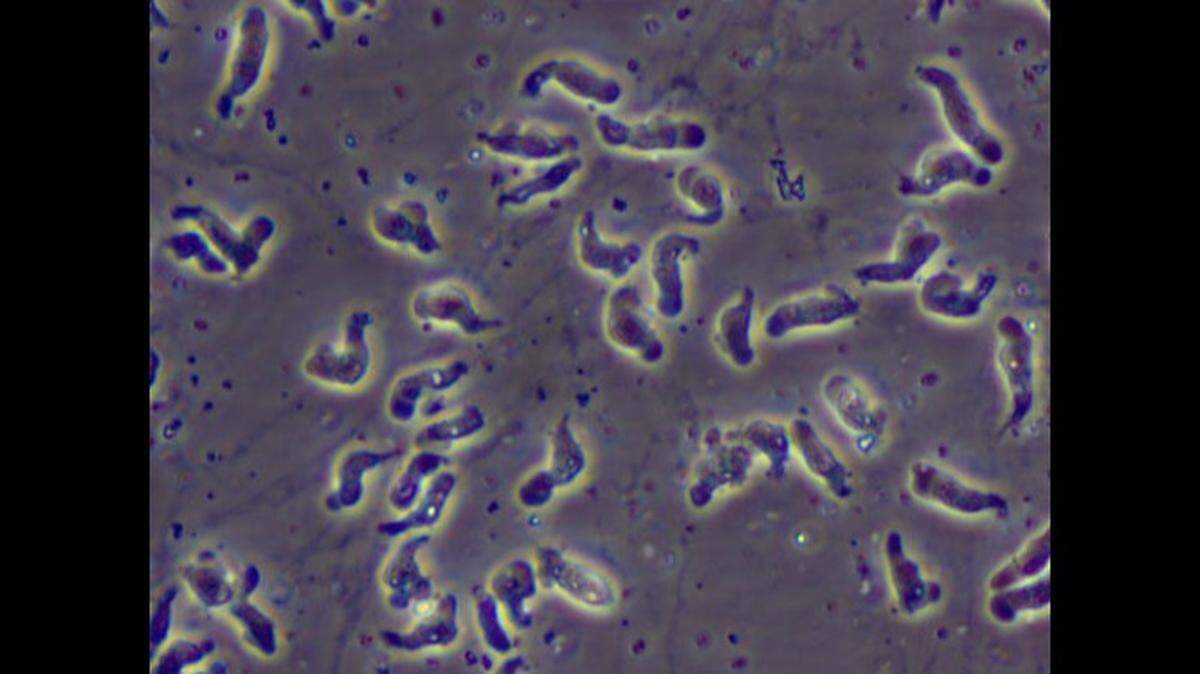
A boy died of a rare brain-eating amoeba he may have contracted while at Lake Mead, Nevada health officials said.
The Nevada boy, a Clark County resident under the age of 18, died from “an infection of Naegleria fowleri,” the Southern Nevada Health District said in a Wednesday, Oct. 19, news release.
“My condolences go out to the family of this young man,” Dr. Fermin Leguen, district health officer, said in the release. “While I want to reassure the public that this type of infection is an extremely rare occurrence, I know this brings no comfort to his family and friends at this time.”
Lake Mead National Recreation Area did not immediately return McClatchy News’ request for comment on Thursday, Oct. 20.
Through investigation, the health district said the boy “may have been exposed at Lake Mead on the Arizona side of the lake at the beginning of October and began to develop symptoms approximately a week later.”
The Centers for Disease Control and Prevention notified the state health district that the boy was confirmed to have contracted Naegleria fowleri, officials said.
What is naegleria fowleri?
Naegleria, a microscopic amoeba, is commonly found in bodies of warm fresh water, like “lakes, rivers and hot springs,” according to the CDC. Naegleria fowleri is the only species of Naegleria that infects people.
It is often referred to as the “brain-eating amoeba” because it causes brain infection when water with “the amoeba goes up the nose,” the agency said.
Those who swallow water with Naegleria fowleri cannot be infected, the health district said. Additionally, the infection cannot spread from person to person.
While infections are rare, with only about three cases annually in the United States, they are almost always fatal, the CDC said.
Symptoms and precautions
The infection “causes primary amebic meningoencephalitis (PAM), a brain infection that initially includes headache, fever, nausea, or vomiting and progresses to stiff neck, seizures and coma that can lead to death,” officials said.
Typically, the onset of symptoms begins about “five days after infection but can start within 1 to 12 days,” the release said.
“Once symptoms start, the disease progresses rapidly and usually causes death within about five days,” the health district said.
Though risk of infection is low, those entering “warm fresh water” should always assume risk of infection is possible, officials said.
The CDC said people can help avoid infection by not “jumping or diving into bodies of warm fresh water, especially during the summer.” If you are in a body of warm fresh water, try to hold your nose shut or keep your head above water, as well as avoid putting your head underwater.
This story was originally published October 20, 2022 at 12:34 PM with the headline "Boy dies after contracting brain-eating amoeba possibly from Lake Mead, officials say."