You may be able to deduct more from your income in 2023, IRS says. What to know
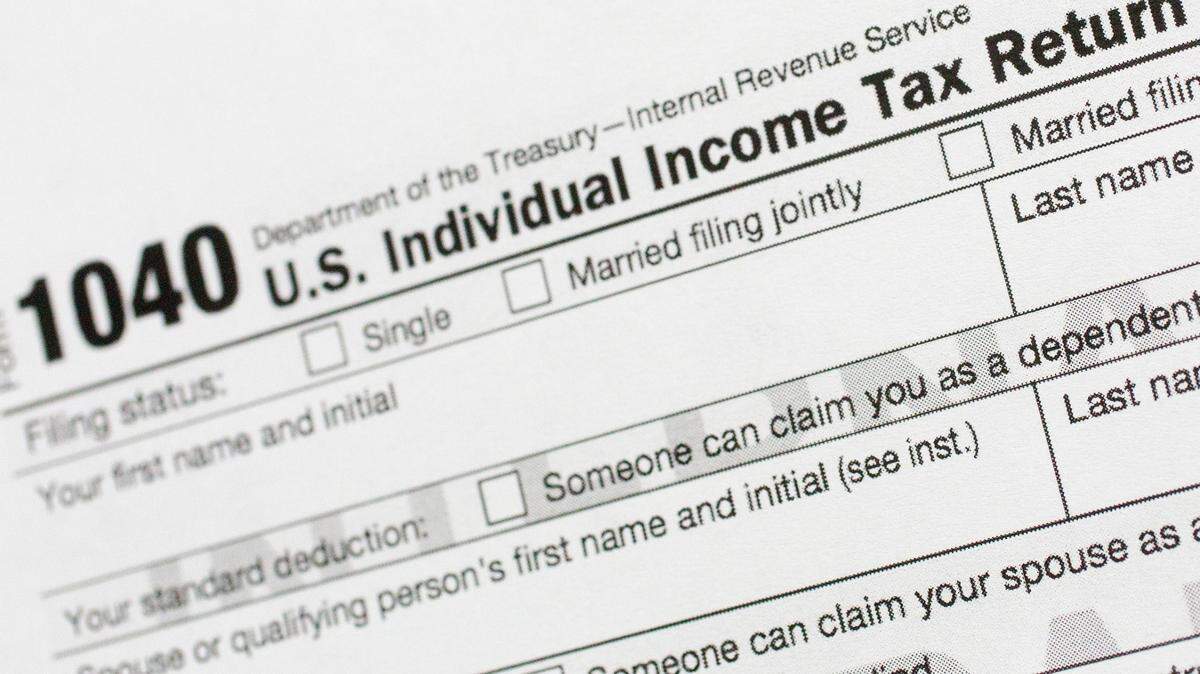
After months of steep inflation, some taxpayers could save on their taxes next year.
The Internal Revenue Service announced tax inflation adjustments for 2023 in an Oct. 18 news release. More than 60 provisions were revised, including standard deductions and all seven tax brackets.
In September, inflation came in hot, with prices clocking an 8.2% increase over 12 months. The new IRS provisions are an attempt at moderating the pressure of rising prices. The agency each year makes similar adjustments to reflect changes in the cost of living, but CBS News reports that the adjustments announced this year are “more significant” than usual.
The changes apply to tax year 2023 for returns filed in 2024, according to the IRS.
Here’s what the changes mean for you.
A higher standard deduction
The IRS raised its standard deduction for married couples and single taxpayers. How does the new deduction impact each type of taxpayer?
- Married couples filing jointly: The standard deduction will rise $1,800 to $27,700 for tax year 2023.
- Single taxpayers and married individuals filing separately: The standard deduction will rise $900 to $13,850 for tax year 2023.
- Heads of households: The standard deduction will rise $1,400 to $20,800 for tax year 2023.
The standard deduction is the amount of money that taxpayers who do not itemize their deductions can subtract from their taxable income when filing taxes.
Raised tax brackets
The IRS also modified all seven tax brackets in response to rising inflation, raising the minimum income for each rate. Here’s where you fall based on your income and your filing status:
- The top tax rate will stay at 37% for individual single taxpayers who make more than $578,125 annually. This rate also applies to married couples who file jointly and make a combined $693,750 annually.
- Individuals who make over $231,250 and married couples filing jointly who make a combined $462,500 will see a 35% rate.
- Individuals who make over $182,100 and married couples filing jointly who make a combined $364,200 will see a 32% rate.
Individuals who make over $95,375 and married couples filing jointly who make a combined $190,750 will see a 24% rate.
Individuals who make over $44,725 and married couples filing jointly who make a combined $89,450will see a 22% rate.
Individuals who make over $11,000 and married couples filing jointly who make a combined $22,000 will see a 12% rate.
The lowest rate will be 10% for individuals who make less than $11,000 annually or married couples filing jointly with a combined income of less than $22,000 annually.
Other modified provisions
Several other benefits will be modified starting in 2023, the IRS says. Here’s what you should know:
- Bigger Earned Income Tax Credits: The maximum EITC will rise to $7,430 in 2023, up from the maximum of $6,935 in tax year 2022.
- More for Healthcare FSAs: Taxpayers can now contribute $3,050 to health flexible spending accounts.
For more information about changes to tax provisions starting in 2023, you can visit this breakdown from the IRS.
This story was originally published October 19, 2022 at 12:52 PM with the headline "You may be able to deduct more from your income in 2023, IRS says. What to know."