
Many drivers treat their partially automated cars as fully self-driving, study finds
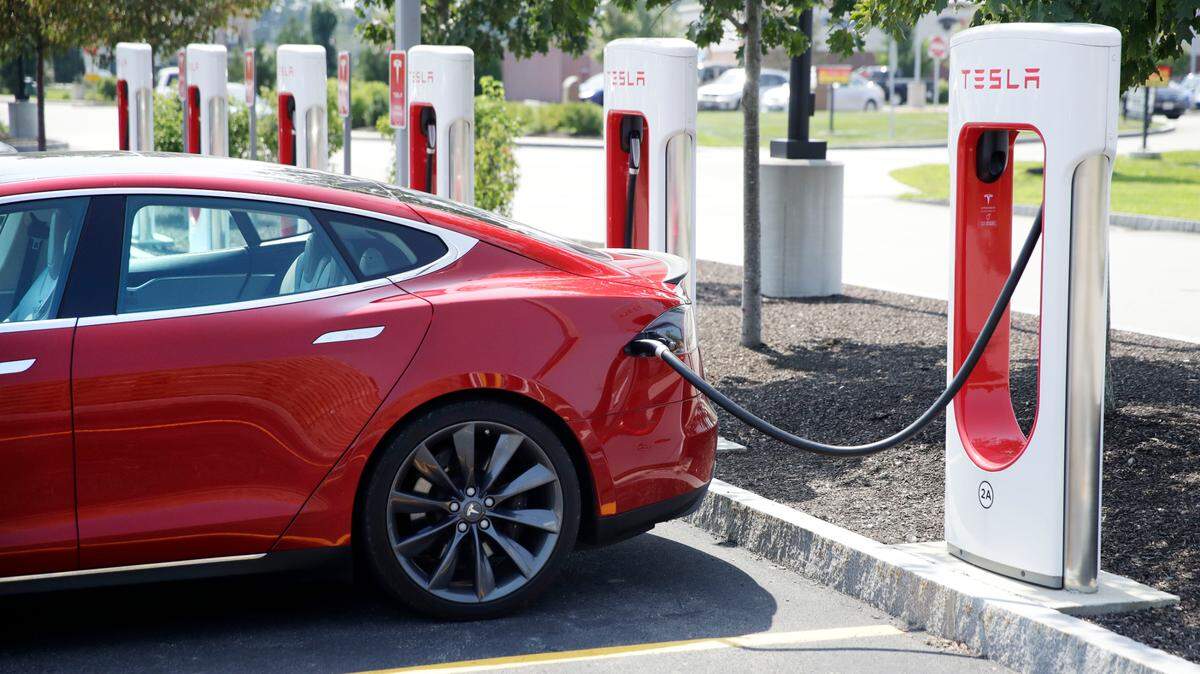
Drivers of partly automated vehicles often treat them as fully self-driving, according to a new study.
The study, conducted by the Insurance Institute for Highway Safety (IIHS), found that 53% of Cadillac Super Cruise users, 42% of Tesla Autopilot users and 12% of Nissan/Infiniti ProPILOT Assist users said that they were “comfortable treating their vehicles as fully self-driving.”
While these features, all introduced in the past 10 years and available on certain models, are designed to assist in highway driving, with abilities like adaptive cruise control and lane centering, they are not fully autonomous and require active driver supervision, according to the study released Tuesday, Oct. 11.
Representatives for Tesla, Cadillac and Nissan did not immediately respond to requests for comment from McClatchy News on Oct. 11.
“The big-picture message here is that the early adopters of these systems still have a poor understanding of the technology’s limits,” IIHS president David Harkey said in a release.
The study, which surveyed about 600 drivers, found discrepancies in driver activity based on which manufacturer’s feature was being used. Cadillac and Tesla drivers were more likely than Nissan/Infiniti to take their hands off the wheel or eyes off the road, according to the study.
The IIHS said it selected the three features included in the study “because they reflect the diversity of designs on the market.”
Design, marketing and demographics likely contributed to these differences, the study notes. For example, advertisements for the Cadillac Super Cruise emphasized its hands-free capabilities.
About 40% of Super Cruise and Autopilot users said that their systems had turned off while driving and would not reactivate, suggesting that many drivers didn’t respond to warnings designed to make sure they were paying attention, according to the study.
“The broad acceptance of attention reminders and system lockouts suggests not only that they have the potential to make it safer to use partial automation, but also that they could be implemented more widely to help combat driver distraction in general,” IIHS research scientist Alexandra Mueller said in the release.
A separate 2020 study from IIHS found that similar automation features make it difficult for drivers to stay engaged and tempt them to pay attention to other things.
There were 392 documented crashes involving cars using driver-assistance technology throughout a 10 month period between July 2021 and May 2022, according to the New York Times, which cited the National Highway Traffic Safety Administration. 273 of the crashes, of which five were fatal, involved a Tesla.
The National Highway Traffic Safety Administration announced in August that it was opening an investigation into Tesla Autopilot following multiple crash reports, according to the Los Angeles Times.
But the company’s safety report for the fourth quarter of 2021, the most recent report available, states:
“In the 4th quarter, we recorded one crash for every 4.31 million miles driven in which drivers were using Autopilot technology (Autosteer and active safety features)...By comparison, NHTSA’s most recent data shows that in the United States there is an automobile crash every 484,000 miles.”
This story was originally published October 11, 2022 at 6:02 PM with the headline "Many drivers treat their partially automated cars as fully self-driving, study finds."