CEOs made 324 times more than average worker in 2021. Group calls it ‘greedflation’
Executive wages in the U.S. continue to grow to record highs while their workers struggle to keep up with rising prices, new data shows.
The average S&P 500 CEO made 324 times the median pay for their workers in 2021, according to the AFL-CIO’s annual Executive Paywatch report.
That is a 23% jump from 2020’s 299-to-1 CEO-to-worker pay ratio.
In 2021, CEOs earned an average of $18.3 million in compensation, an increase of 18.2% from 2020. Meanwhile, U.S. worker wages rose 4.7% in 2021, falling behind the record-breaking 7.1% inflation rate, the report shows.
After adjusting for inflation, U.S. workers’ average hourly earnings fell by 2.4% in 2021, the report says.
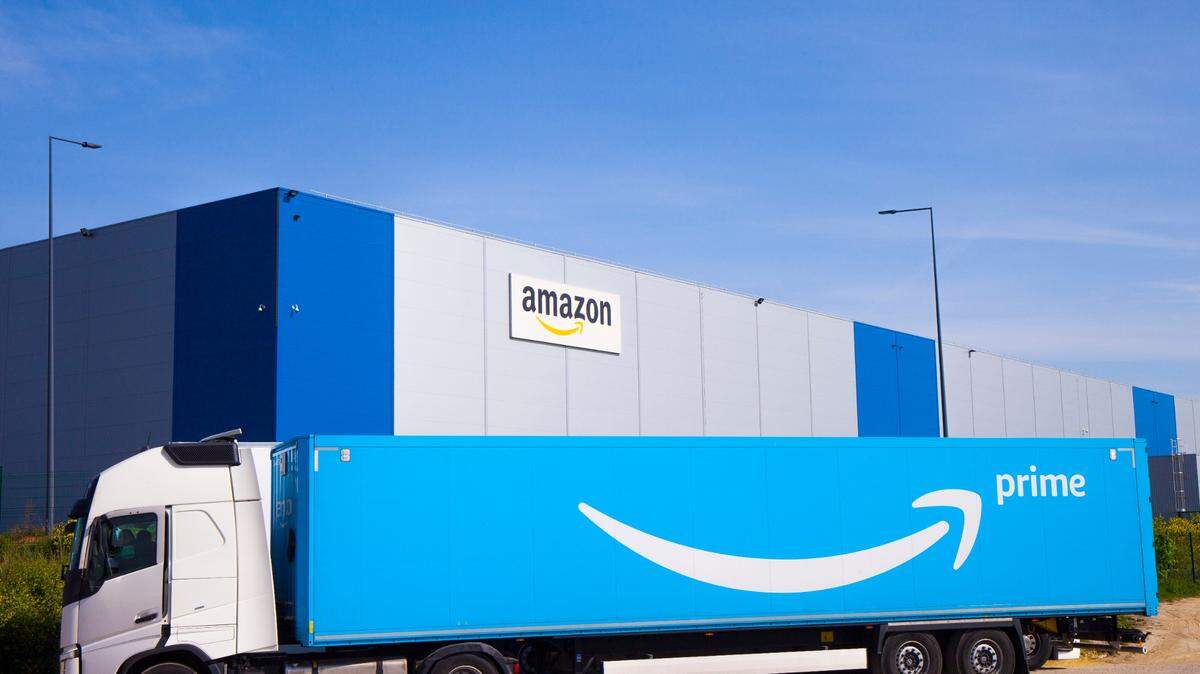
Of the companies included in the report, Amazon had the highest pay ratio, with CEO Andy Jassy earning 6,474 times more than its median worker. Jassy’s compensation in 2021 was $212,701,169, while the median Amazon worker earned $32,855.
An Amazon spokesperson told McClatchy News that Jassy’s compensation as reported in 2021 represents a total that will vest over 10 years.
Jassy’s annual compensation, excluding those parts that have not fully vested, “equates to from an annual compensation perspective is competitive with that of CEOs at other large companies and was approved by the Amazon Board of Directors,” the spokesperson said.
While the data is jarring, it does not come as a surprise, according to Fred Redmond, AFL-CIO’s secretary-treasurer.
“It was astonishing to see how less these CEO’s value their workforce who really, really rolled up their sleeves and got these companies, these corporations through the pandemic,” Redmond said on a July 18 call with the media. “The problem with our economy is not too many jobs. It’s economic inequality.”
‘Greedflation’
The report identifies the significant runaway CEO pay as a symptom of “greedflation,” which occurs “when companies increase prices to boost corporate profits and create windfall payouts for corporate CEOs.” To increase their own earnings, CEOs pushed higher prices on working people as consumers, even amid all-time inflation, according to the AFL-CIO.
Data from the Economic Policy Institute supports greedflation claims, too. According to an April 2022 piece from the institute, over half of the increase in the prices of goods and services can be attributed to growing profit margins in the U.S.
The increase in CEO earnings comes as living standards are falling as workers face increased and unrelenting inflationary pressure, Redmond said.
June’s consumer price index showed that since last year, food prices have risen 10.4%, gas prices have jumped 60.6% and housing prices have grown 5.6%.
As working consumers have struggled to keep up with rising prices, executive pay has grown, putting a greater burden on consumer prices, according to the report.
“It’s another version of more for them and less for us,” Redmond said. “Instead of investing in their workforces by raising wages and keeping the prices of the goods and services in check, [executives’] solution is to reap record profits from rising prices and cause a recession that will put working people out of their jobs.”
The biggest jump
The consumer discretionary sector, which includes the goods and services that working people invest in with their disposable income, saw the largest jump in executive pay.
In 2021, executives in this industry saw an average 79% raise, making an average of $26,076,210.56, which is 872 times that of their median employee, the report says.
Redmond identified consumer discretionary sector workers as “heroes.”
“By heroes I mean the working people who showed up everyday and risked their lives and health and safety to keep our country running, they are still showing up and working around the clock but they are working for less.”
Recent surveys from CNBC, Gallup and Pew Research Center show a growing support for labor unions across the U.S.
Workers at some of the biggest consumer discretionary corporations have organized union movements, and some have seen unexpected success.
For example, Starbucks workers have seen a string of successes in stores across the country leading union efforts. Amazon workers, too, have been working to unionize.
The big picture
The updated report comes as consumers and workers are facing growing inflationary pressure. At the same time, the Federal Reserve is contemplating its next move to tamp down rising prices.
In June, the Fed raised rates in an attempt to control the economy and prevent overheating. After the rate hike, some experts speculated that a recession was potentially inevitable.
Now, as new economic data, including the June labor report and CPI, has been released, experts have conflicting forecasts for the future. While some suggest a recession is inevitable, others predict a more hopeful future.
The Fed meets again July 26 to determine its next move.
This story was originally published July 18, 2022 at 11:23 AM with the headline "CEOs made 324 times more than average worker in 2021. Group calls it ‘greedflation’."