
Homeowners find bear cub in kitchen. It had to be euthanized, Colorado officials say
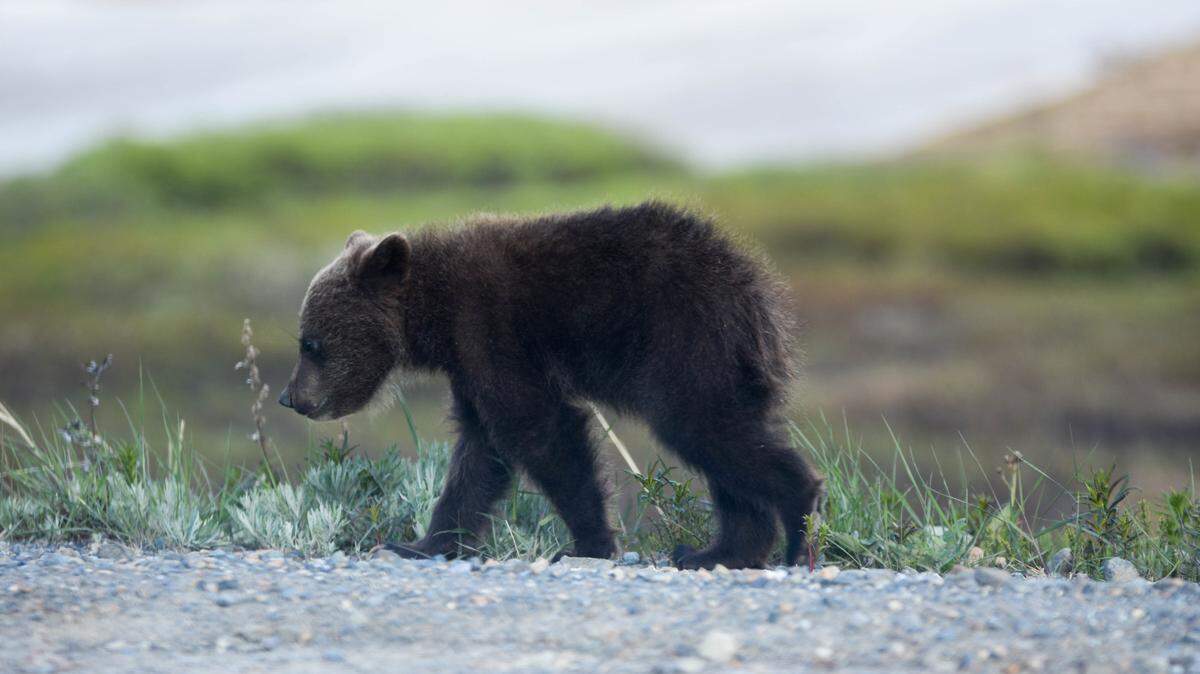
Homeowners returned to their house and found a bear cub in their kitchen, Colorado officials said.
The bear had entered the Teller County home by walking through an unlocked door, Colorado Parks and Wildlife said.
“We were fortunate no one was home when the bear entered the home,” area wildlife manager Tim Kroening said in a June 30 news release. “Even better, when the homeowners returned and discovered it in the kitchen, the bear ultimately left on its own.”
The bear had previously been relocated after its mother was shot and killed in a suspected poaching, wildlife officials said. In January, Parks and Wildlife built an artificial den for the orphaned cub and its sibling.
The bear cubs were tranquilized and taken to the artificial den in the Pikes Peak slopes. Officials put GPS ear tags on the bears before they were placed in the den so they could track their movements.
Officials saw the bear enter the home, which is about 100 miles south of Denver. Parks and Wildlife said it had “no choice” but to euthanize the bear.
If the bear was released, it could’ve entered another home, officials said.
“When a bear learns that human homes are a source of food, they become dangerous to people,” Kroening said in the release. “Imagine encountering a bear in your kitchen. If there is no clear exit available, a tragic confrontation could occur. We can’t risk that happening.”
Parks and Wildlife said “urban bear conflict” is one of the agency’s biggest issues. Drought conditions have wiped out natural food sources for bears, and it’s forced them to go searching for other food sources.
“In years where there are natural food shortages, we see more human-bear conflicts,” Kroening said in the release. “It is critical that people do their part and stay ‘Bear Aware.’”
What to do if you see a bear
Bear attacks in the U.S. are rare, according to the National Park Service. Bears in most attacks are trying to defend their food, cubs or space.
Steps people can take to help prevent a bear encounter from becoming a bear attack, according to the park service, include:
Identify yourself: Talk calmly and slowly wave your arms. This can help the bear realize you’re a human and nonthreatening.
Stay calm: Bears usually don’t want to attack, but they want to be left alone. Talk slowly and with a low voice to the bear.
Don’t scream: Screaming could trigger an attack
Pick up small children: Don’t let the kids run away from the bear. It could think they’re small prey.
Hike in groups: A group is noisier and smellier, the National Park Service said. Bears like to keep their distance from groups of people.
Make yourself look big: Move to higher ground and stand tall. Don’t make any sudden movements.
Don’t drop your bag: A bag on your back can keep a bear from accessing food, and it can provide you some protection.
Walk away slowly: Move sideways so you appear less threatening to the bear. This also lets you keep an eye out.
Again, don’t run: Bears will chase you, just like a dog would.
Don’t climb trees: Grizzlies and black bears can also climb.
This story was originally published July 1, 2022 at 10:17 AM with the headline "Homeowners find bear cub in kitchen. It had to be euthanized, Colorado officials say."