
Coronavirus weekly need-to-know: Vaccines for young kids, immunity test, Paxlovid & more
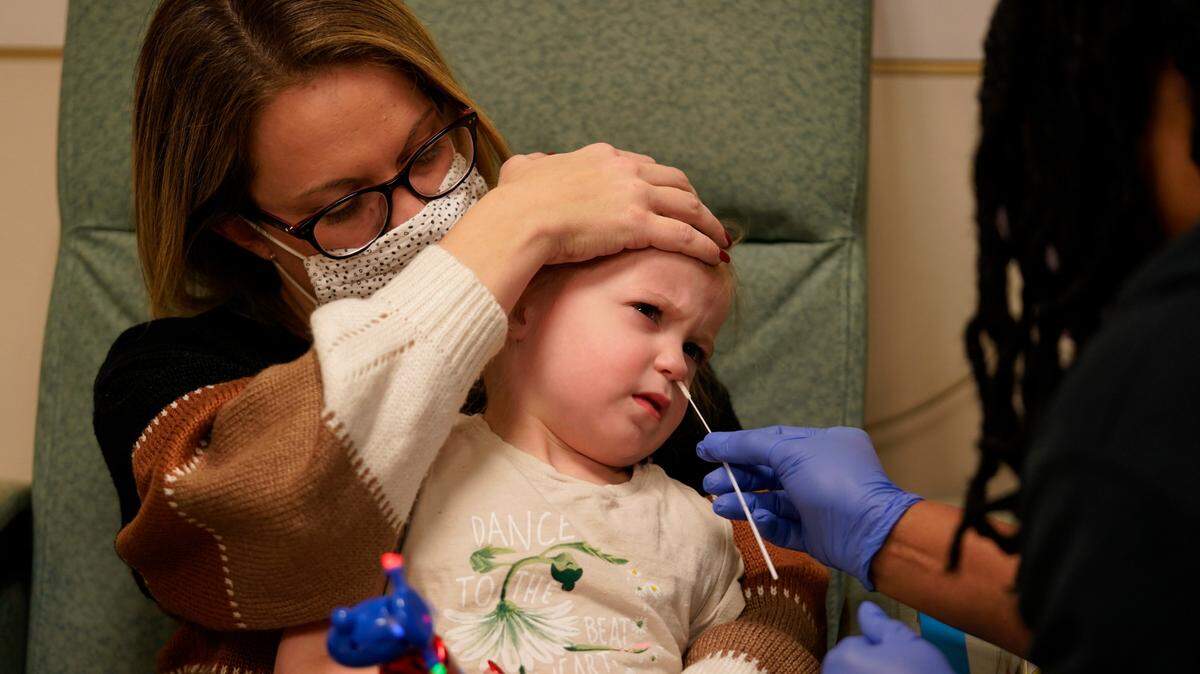
In the United States, more than 86 million people have tested positive for coronavirus since the start of the pandemic as of Saturday, June 18, according to Johns Hopkins University.
To date, more than 1 million people in the U.S. have died. Worldwide, there have been more than 538 million confirmed cases of COVID-19, including about 3 million cases since one week ago.
Additionally, over 6.3 million have died from the virus globally. Roughly 221 million people in the U.S. are fully vaccinated as of June 17 — 66.8% of the population — and 104 million of those people have gotten their first booster shot, according to Centers for Disease Control and Prevention data.
Roughly 90% of the U.S. lives in a location with low or medium COVID-19 Community Level, the agency says as of June 10. About 10% of Americans reside in an area with a high COVID-19 Community Level. For them, it’s recommended to wear a mask while indoors in public.
The CDC reports COVID-19 cases are rising nationwide as of June 8.
Omicron and its subvariants dominated all positive U.S. cases for the week ending June 11.
Here’s what happened between June 12 and June 17.
Kids under 5 can now get COVID vaccine after FDA authorization. What to know
The Food and Drug Administration authorized Pfizer and Moderna’s COVID-19 vaccines for children as young as 6 months old on June 17.
This came after the FDA’s Vaccines and Related Biological Products Advisory Committee reviewed whether the benefits of the shots outweigh potential risks based on the data presented by both companies. For both vaccine brands, committee members voted unanimously in support of their use for young children, The Associated Press reported.
Here’s what to know:
Long COVID less likely after omicron compared to delta — but risk remains, study says
Lingering COVID-19 symptoms — commonly called long COVID — may be less likely after an omicron variant infection compared with the delta variant, a new observational study has found.
However, the risk still remains as omicron is highly infectious. The variant and its subvariants have made up the majority of virus cases over the past several months, according to the Centers for Disease Control and Prevention.
In the study, nearly 5% of people infected with omicron experienced long COVID symptoms at least four weeks after testing positive for the coronavirus, according to the U.K.-based research published June 16 in The Lancet.
Read more here:
A test to measure your COVID immunity? It could soon be available in US
A rapid blood test that can measure a person’s immunity to COVID-19 with quick turnaround results could be made available in the U.S. soon.
The Food and Drug Administration, the federal agency in charge of regulating medicines and biological products, is currently assessing the test created by Mount Sinai Health System researchers, the health system said in a June 13 news release. The test has received certification for commercial use in Europe.
So how does it work?
To find out, keep reading here:
COVID may harm babies’ brain development if mom is infected while pregnant, study says
If someone tests positive for COVID-19 while pregnant, the infection may harm the baby’s brain development, a new study has found.
This new finding follows prior research that has shown a connection between viral infections, including the flu, when pregnant and “neurodevelopmental outcomes” in babies such as anxiety and depression, autism, bipolar disorder, cerebral palsy, cognitive dysfunction, and schizophrenia, researchers noted.
Babies exposed to COVID-19 in the womb, especially those in the third trimester phase of development, had a higher rate of brain development issues in the first 12 months after birth compared to unexposed babies, the study published June 9 in the journal JAMA Network Open concluded.
For more on the study, continue reading below:
Fauci tests positive for virus, has mild COVID-19 symptoms
Dr. Anthony Fauci, the face of America’s pandemic response through two White House administrations, has tested positive for the coronavirus.
The 81-year-old Fauci, who is fully vaccinated and has received two booster shots, was experiencing mild COVID-19 symptoms, according to a statement Wednesday from the National Institutes of Health.
Fauci has not recently been in close contact with President Joe Biden or other senior government officials. He tested positive on a rapid antigen test. He is following public health guidelines and his doctor’s advice, and will return to work at the NIH when he tests negative, according to the statement.
The article continues below:
DeSantis defends state decision not to order COVID vaccines for young kids
Gov. Ron DeSantis on Thursday defended the state’s decision not to preorder COVID-19 pediatric vaccines for children under 5, saying that parents who want the shots can access them without the state’s help.
“Our Department of Health has been very clear: The risks outweigh the benefits and we recommend against,’’ DeSantis said at a news conference in the Everglades to announce the state’s annual python capture challenge.
“Doctors can get it. Hospitals can get it. But there’s not going to be any state programs that are going to be trying to, you know, get COVID jabs to infants and toddlers and newborns,” he said. “That’s not something that we think is appropriate, and so that’s not where we’re going to be utilizing our resources in that regard.”
Keep reading here:
Can everyone who tests positive for COVID get Paxlovid medication? We asked a University of Kansas doctor
Those who test positive for COVID-19 have more treatment options available to them now than at any point in the pandemic so far. Among them is Paxlovid, Pfizer’s antiviral medication that’s currently available as a five-day course of pills.
But despite this drug’s availability in the Kansas City area, we’ve heard from readers that some infected with COVID-19 have been unable to access it.
The FDA has only released broad criteria for when the drug should be prescribed in its Emergency Use Authorization, which leaves a lot up to the discretion of prescribing doctors. Policies for who is prescribed the medication can vary from hospital to hospital, and even doctor to doctor.
Continue reading below:
Associated Press reporter Carla K. Johnson and McClatchy reporters Alex Roarty and Natalie Wallington also contributed to this report.
This story was originally published June 17, 2022 at 6:26 AM with the headline "Coronavirus weekly need-to-know: Vaccines for young kids, immunity test, Paxlovid & more."
.jpg)