
Bacteria that killed dog in Zion National Park two years ago has been detected again
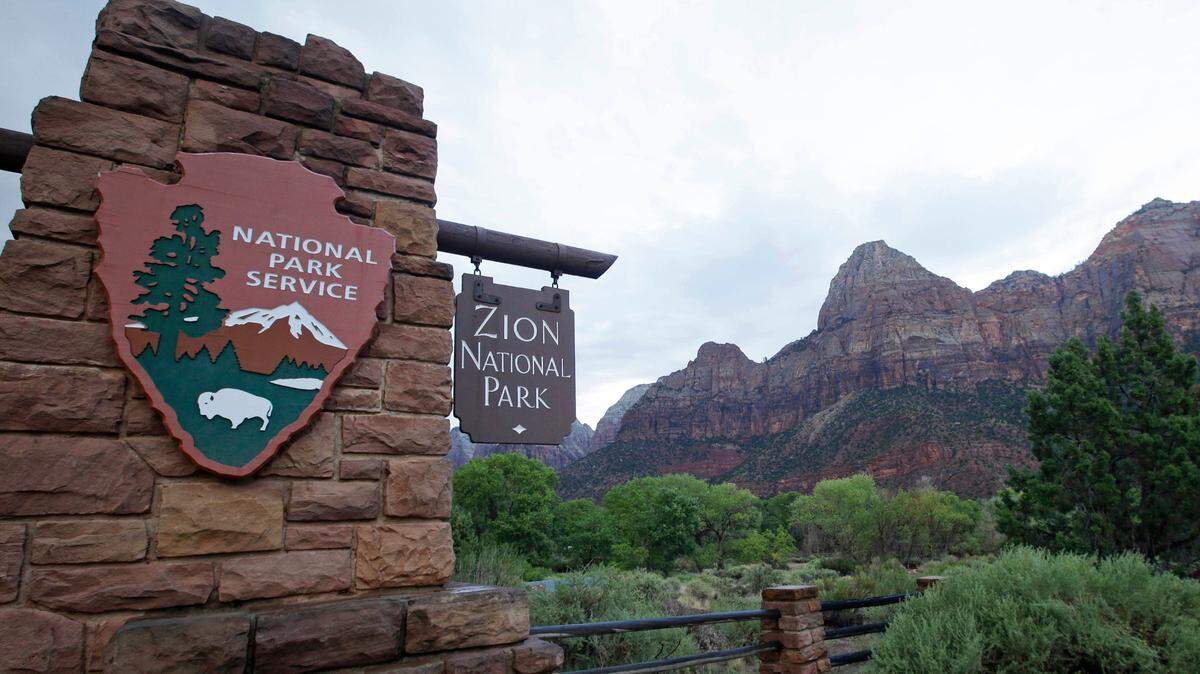
Two years ago, bacteria killed a dog an hour after it swam in a Zion National Park river, park rangers said. Now that same bacteria has been detected again.
The toxic bacteria was found in the Utah park’s Virgin River, park rangers said in a June 7 safety alert.
“Monitoring efforts have detected cyanotoxins harmful to humans and pets in the North Fork of the Virgin River,” park officials said. “Therefore, the North Fork of the Virgin River and all connected tributaries will be elevated to a Warning Advisory.”
People can have a wide range of reactions if they’re exposed to cyanotoxins. Some people can have a skin rash, stomach ache, headache, diarrhea or a fever, according to the Environmental Protection Agency.
In more severe cases, the bacteria can cause liver and kidney damage, or pneumonia and respiratory illnesses. In rare cases, people have died from exposure to cyanobacteria, the EPA reported.
In 2020, a dog died an hour after it swam in the North Fork of the Virgin River, McClatchy News previously reported. The dog was “snapping” at algae that was growing on the rocks.
The pet couldn’t walk and was having seizures before its death, park officials said at the time.
The National Park Service said tourists shouldn’t swim or put their heads underwater. No one should drink the water in the park, officials said.
“Toxin-producing cyanobacteria of the genera Microcoleus, Tychonema, and Nostoc have been found in the North Fork of the Virgin River, North Creek, and La Verkin Creek,” park officials said. “Colonies of cyanobacteria can be yellow, tan, green, brown, or black in color.”
Park visitors who have concerns about cyanotoxin poisoning should call the Utah Poison Control Center at 800-222-1222.
This story was originally published June 14, 2022 at 12:03 PM with the headline "Bacteria that killed dog in Zion National Park two years ago has been detected again."