
Eggs by the dozen are getting even more expensive as Easter nears. Here’s why
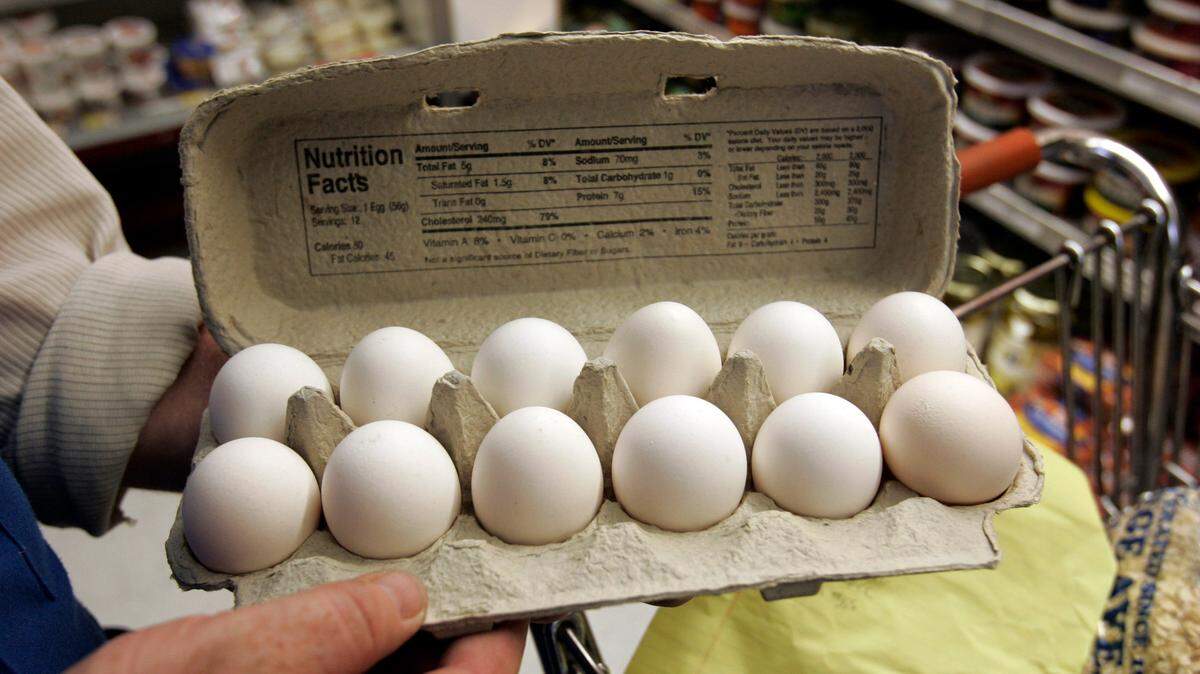
The next time you stock up on eggs, you might notice it will cost more compared to the past few months — and even the past few years — as Easter gets closer.
This comes as a highly contagious avian flu outbreak has infected more than 22 million birds in the U.S., including egg-laying chickens, and has spread to 24 states as of Monday, April 4, according to the U.S. Department of Agriculture.
Egg prices are 52% more expensive than they were when the first case of avian influenza was reported Feb. 8 in Indiana, The Wall Street Journal and other outlets reported. This is when an outbreak was discovered in a commercial turkey flock, according to the USDA.
Now, a dozen eggs cost an average $2.88 and are the most expensive since March 2020, according to market research organization Urner Barry, the Journal cited.
In February, egg prices jumped 2.2% and the USDA warned on March 25 that the ongoing avian flu outbreak “could contribute to poultry and egg price increases through reduced supply or decrease prices through lowered international demand for U.S. poultry products or eggs.”
Now, 118 flocks are infected with the avian flu — 72 commercial flocks and 46 backyard flocks as of April 4, the USDA reported.
Another factor that could contribute to rising egg prices is higher demand ahead of Easter and Passover, according to ABC News.
Additionally, the USDA is expecting a spike in egg prices “in the anticipation” of the holidays, according to the agency’s Livestock Dairy and Poultry Outlook report for March.
“Egg availability heading into Easter is sure to be hampered,” Brian Earnest, a CoBank economist, told The Wall Street Journal.
This isn’t the first time egg prices have risen amid an avian flu outbreak.
An outbreak in bird flocks was reported in 21 states between December 2014 and June 2015, according to the Centers for Disease Control and Prevention.
In the Midwest in 2015, a dozen eggs ranged from $2.73 to $2.81, CNBC reported.
“To contain the outbreak ... producers destroyed about 33 million egg layers (roughly 11 percent of U.S. egg-laying hens),” the USDA said in a February 2016 news release about the 2014-2015 outbreak.
At the time, the agency said that consumers would pay more for eggs due to the loss of millions of hens.
The 2014-2015 outbreak caused a loss of $3 billion in the agricultural sector, according to The New York Times. If the current outbreak continues, egg shortages could be seen, the outlet reported.
It’s extremely rare for avian influenza to infect humans, according to the CDC, but it has sickened people in North America.
“As a reminder, the proper handling and cooking of poultry and eggs to an internal temperature of 165 (degrees) kills bacteria and viruses,” the USDA said in a Feb. 9 news release.
The rising egg prices come as the USDA predicts groceries overall will rise by 4% by the end of 2022, McClatchy News reported.
This story was originally published April 5, 2022 at 9:37 AM with the headline "Eggs by the dozen are getting even more expensive as Easter nears. Here’s why."
.jpg)