‘Cryptic’ ghost-like beaver returns to Texas region 5,000 years later, study finds
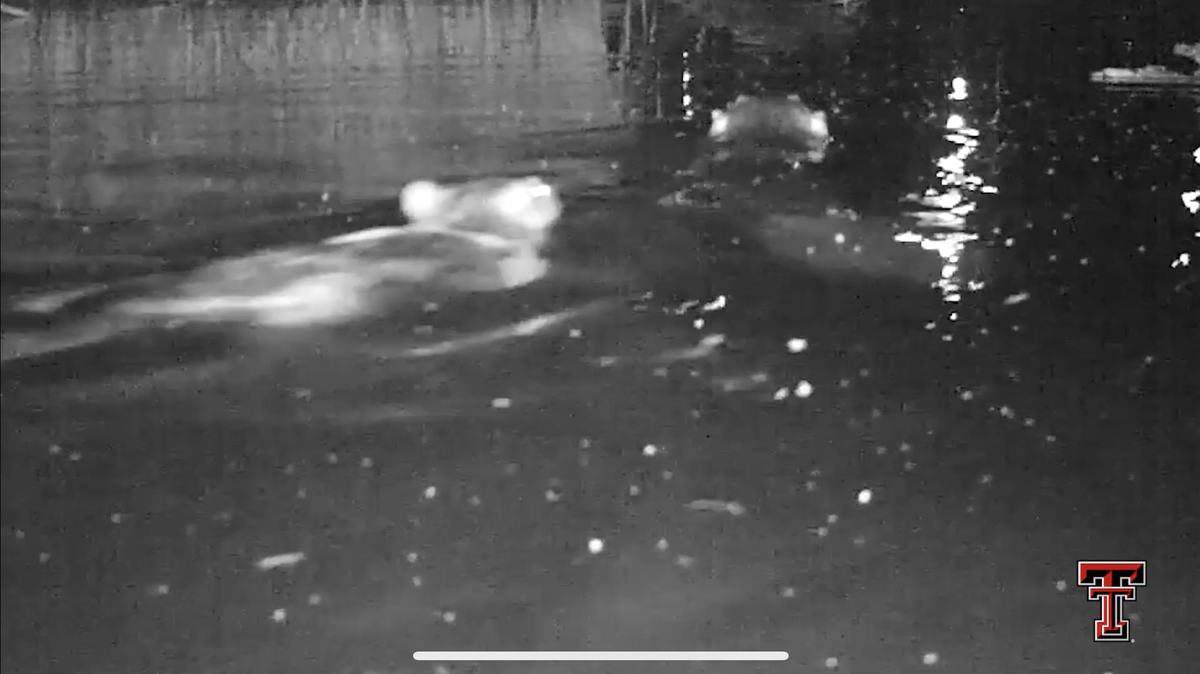
In the heart of the South Plains in Lubbock,Texas, a rare-to-the-region animal has been discovered hiding in the woods.
It’s a beaver, the largest rodent in North America. More specifically, a colony of them — a discovery that researchers at Texas Tech University are deeming 5,000 years in the making.
Doctoral candidate Garret Langlois spends his free time exploring the wooded areas of Mae Simmons Park in Lubbock, a city of almost 260,000 about 315 miles northwest of Fort Worth.
It was there where he discovered evidence of the water creature, an article from Texas Tech said.
Where others might see a simple path near a water bank, tunnels and the remains of once-tall trees, Langlois saw the tell-tale signs of a beaver’s habitat.
After detailed research and placing night-vision cameras, Langlois was able to confirm that beavers have returned to that area in Texas for the first time in 5,000 years.
Langlois told Texas Tech that a beaver carcass found in the area in November 2015 kick-started his interest in finding the rest of its clan. He theorizes that the North American beaver ended up in the area after rare heavy rains during the summer of that year, causing them to migrate here from the east, via the North Fork of the Double Mountain Forks of the Brazos River.
“It took them a little while, but they made it back … There’s a lot of lakeshore here, a lot of habitat, and so who knows how many could really be here?” Langlois told EverythingLubbock.com.
He told his superiors at Tech of his hypothesis, and spent his spare time searching for the illusive creature. When he told one of his mentors, Phil Gipson, the Kleberg Professor in the department of the National Resources Management, Gipson was excited.
“When I saw the glow on his face, and mine too …. My god, those beavers had just set me on fire and he was enjoying the flame. It was real,” Gipson said in a YouTube video about the discovery.
Described by some as a “furry hunk of homeliness,” according to Texas Parks and Wildlife, the beaver lives in most parts of the country aside from the desert areas of the southwest. In Texas, most beavers are found in the northeastern part of the state.
Langlois began to find the evidence of a beaver’s home and nesting space in early 2018. Finally, on July 8 of that year his cameras had picked up a pair of North American beavers.
Langlois said preserving the beavers’ homes should be easy.
“It’s good news if we can be accepting of them,” Langlois said in the article. “Right now, many of the problems that typically emerge with having beavers, we likely won’t see as much. Sometimes people don’t like the dams because they promote flooding, but right now, in this area, it’s already dammed and we already built them.”
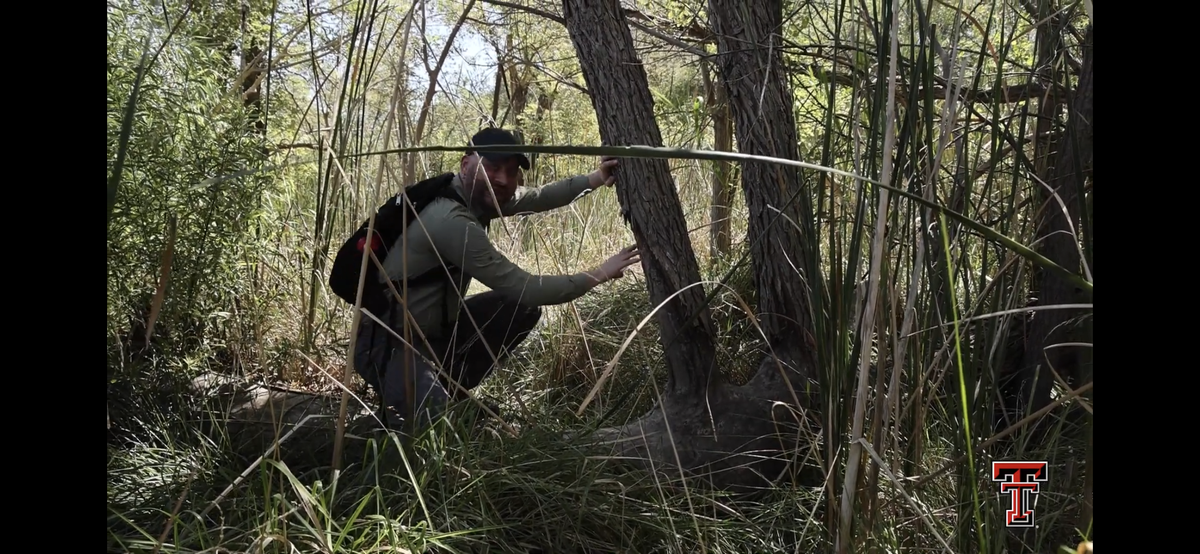
Even now, the beaver is a mystery to Langlois.
“These beaver are particularly cryptic in their behavior,” he told EverythingLubbock.com. “They really like to keep a low profile. These beaver are kind of like ghosts. I’ve only seen the beaver in person three times and only two of those times did I get a good look at it.”
Langlois has detailed his findings in an article currently being peer reviewed for a journal publication.
This story was originally published November 5, 2021 at 11:42 AM with the headline "‘Cryptic’ ghost-like beaver returns to Texas region 5,000 years later, study finds."