
Rare bacterial disease blamed in Georgia death, CDC says. What to know about melioidosis
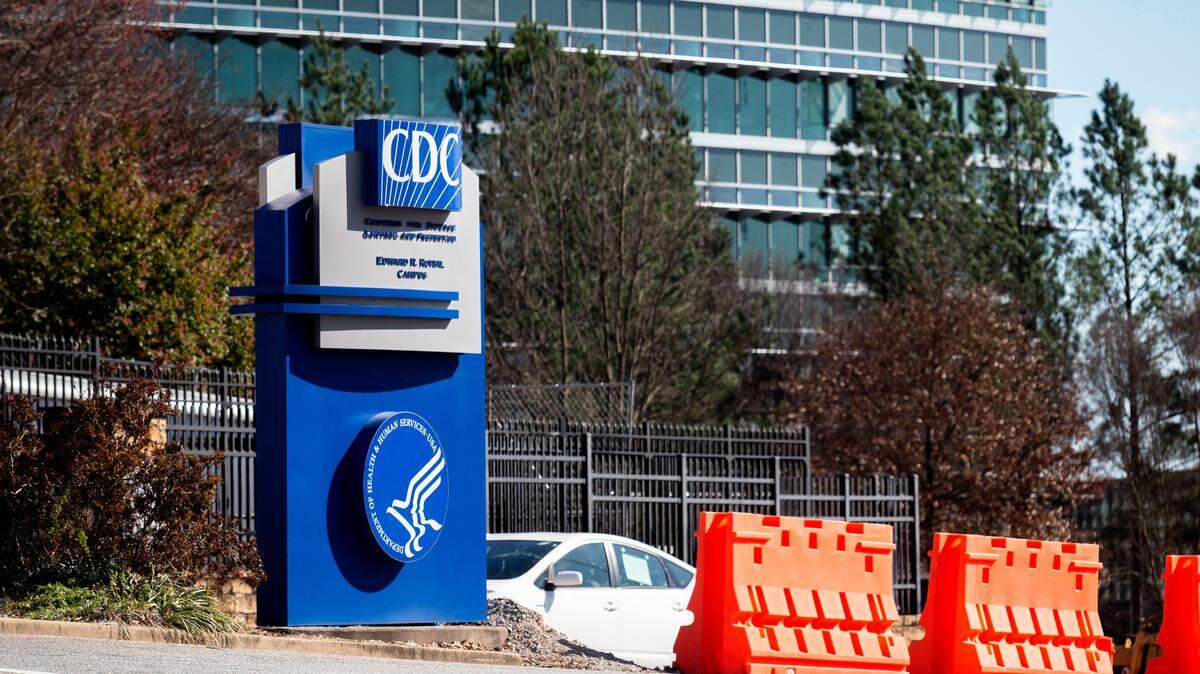
The Centers for Disease Control and Prevention is raising the alarm after a fatal case of melioidosis was reported in Georgia.
The rare bacterial disease has been found in at least three other states and has sickened both adults and children, the public health agency said in a health advisory released Monday.
“Whole genome sequencing at the CDC shows the bacterial strains that sickened the patients — each one in Georgia, Kansas Texas and Minnesota — closely match each other, suggesting there’s a common source for these cases,” CDC officials wrote.
This marks the second death blamed on the disease, which is usually spread via direct contact with contaminated water or soil. The CDC said it suspects the most likely cause of the outbreak is an imported product, such as food, drinks or personal care products, or an ingredient in those products.
Water and soil samples from in and around the patients’ homes were also tested for Burkholderia pseudomallei, the bacteria that causes melioidosis, the news release states.
“However, in rare cases, it has also been found to contaminate wet or moist products in the areas where the bacteria are common,” officials said.
Officials said two of the four victims had no known risk factors for the disease, or underlying conditions that may raise their risk of illness.
What is melioidosis?
Melioidosis, also called Whitmore’s disease, is caused by a bacteria that can infect both humans and animals.
It’s described as a “Tier 1 select agent,” which means it carries the “greatest risk of deliberate misuse with significant potential for mass casualties or devastating effect to the economy, critical infrastructure, or public confidence, and poses a severe threat to public health and safety,” McClatchy News previously reported.
The bacteria is typically found in tropical climates, the CDC said, including Southeast Asia and northern Australia, “where it is widespread.”
Federal officials launched an investigation after a handful of cases were found in the Midwest, with the earliest case reported back in March, according to McClatchy News. That case was also fatal.
Symptoms of melioidosis are wide-ranging and typically appear two to four weeks after exposure, according to the CDC. They include everything from cough and high fever to joint pain, disorientation and seizures.
“CDC is asking clinicians to watch for any acute bacterial infection that doesn’t respond to normal antibiotics and consider melioidosis — regardless of whether the patient traveled outside the U.S.,” the agency’s health advisory reads.
This story was originally published August 9, 2021 at 4:19 PM with the headline "Rare bacterial disease blamed in Georgia death, CDC says. What to know about melioidosis."