
Bird born on Outer Banks 2 years ago returns home from Bahamas to nest, officials say
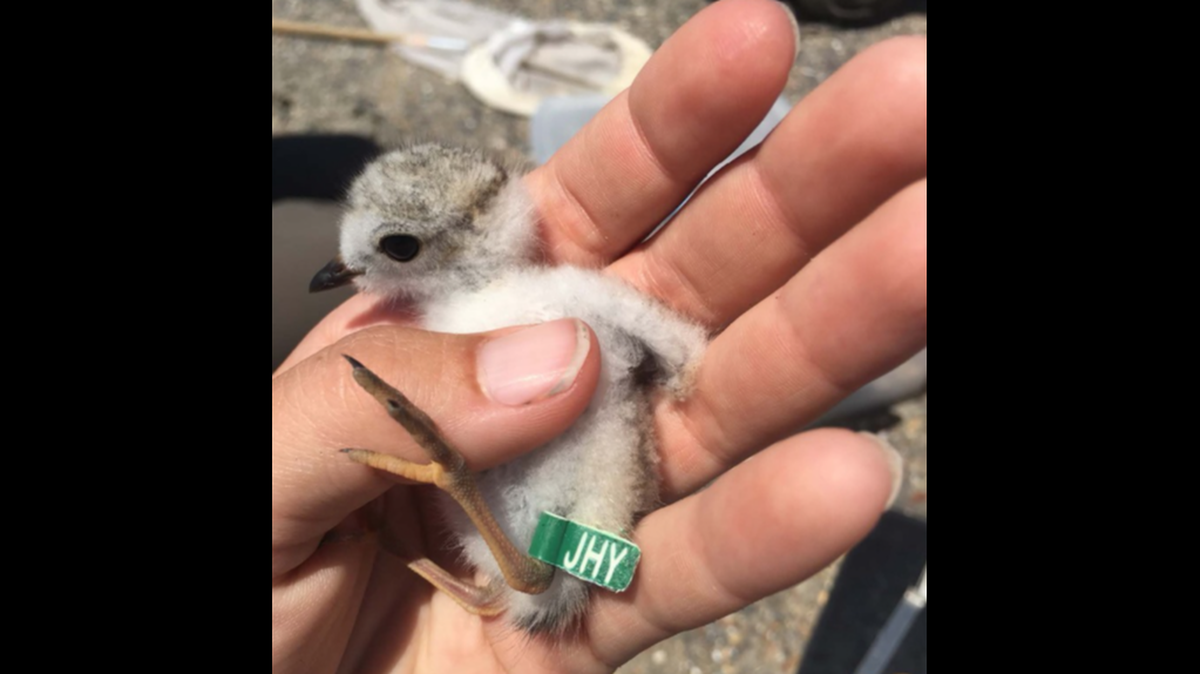
The Outer Banks are a magnet for migratory seabirds, but a leg band put on an endangered chick in 2019 shows some species will return there from the Bahamas to nest on familiar sand.
That’s all the more amazing, given the beaches are constantly shifting at the whim of tides and hurricanes.
Cape Lookout National Seashore reported the data last week, based on the return of a banded piping plover.
“Back in 2019, researchers from Virginia Tech were on the beach banding piping plover chicks, including this little guy,” the national park posted on Facebook.
“Now, two years later, we have spotted this same piping plover on our beach as an adult. Plover JHY (the letters on its band) not only returned to its birth area, but it is now nesting and is the proud parent of 4 eggs!”
Cape Lookout National Seashore Resource Manager Jon Altman says the chick has come home from the Bahamas at least twice to nest at the South Core Banks — a distance of nearly 700 miles. The three eggs it laid in 2020 didn’t survive, he said.
The National Park has been fencing off known nesting sites for the seabirds to protect the eggs and chicks “from being stepped on” by tourists. “Piping plover chicks are often described as being about the size of cotton ball on toothpicks,” the park said.
Piping plovers are often “likened to tiny wind-up toys (because) they run in short starts and stops,” according to the U.S. Fish and Wildlife Service.
“Piping plovers were common along the Atlantic coast during much of the 19th century, but commercial hunting for feathers to decorate hats nearly wiped them out,” the wildlife service says.
“Following passage of the Migratory Bird Treaty Act in 1918, plovers recovered to a 20th century peak in the 1940s. Increased development and beach recreation after World War II caused the population decline that led to Endangered Species Act protection in 1986.”
It’s believed the breeding population in the Atlantic is “fewer than 2,000 pairs,” making any nesting report a valuable piece of data, experts say.
This story was originally published May 17, 2021 at 9:08 AM with the headline "Bird born on Outer Banks 2 years ago returns home from Bahamas to nest, officials say."