
Texas physics professor develops air filter coating to ‘capture’ COVID-19 droplets
A Texas professor is doing his part to help slow the spread of COVID-19.
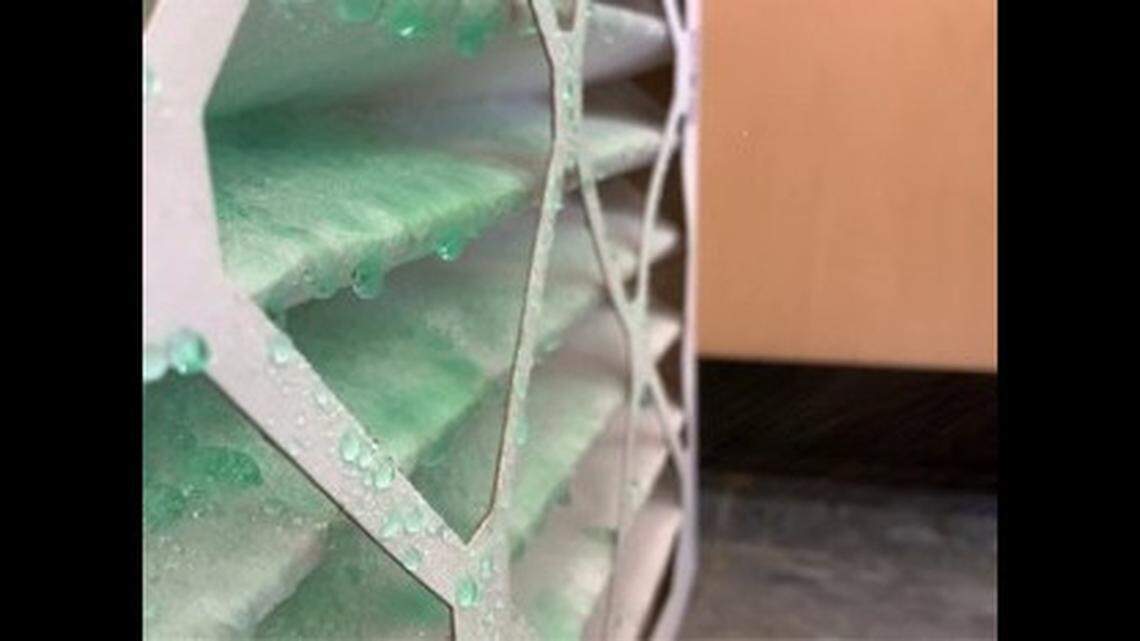
Seamus Curran, a physics professor at the University of Houston, has developed a nanotech coating for air filters meant to “capture” COVID-19 droplets while still allowing air to flow through, according to a news release.
Curran said he hatched the idea after his wife expressed concern about their kids returning to school.
“My wife turned around to me and said, ‘Our kids have to go back to school. How do we make it safe for them to go back to school and remove the virus from the air?’” Curran told KTRK.
As air passes through the filter, the nanotech coating catches the droplets, blocking them from passing into the ventilation system, according to the outlet. The virus then sits on the filter until it breaks down and disappears, usually in about 40 minutes.
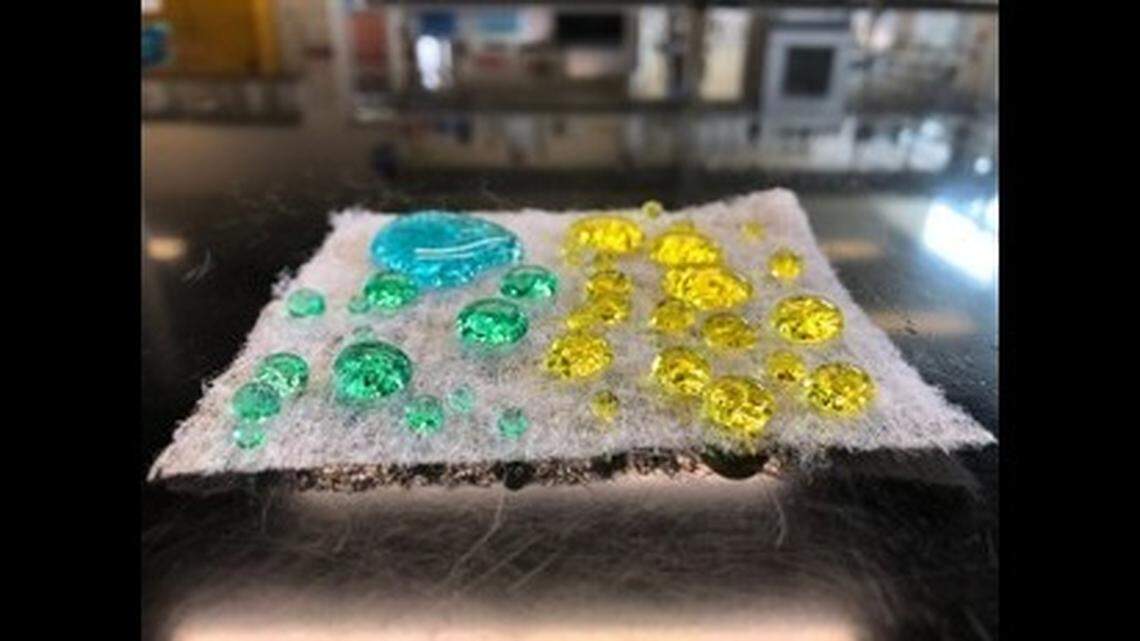
The hydrophobic coating (water repellent) is designed to be used along with other preventative measures including face masks and social distancing. It’s being tested in a public building in New York City, the release said.
With winter and colder temperatures on the horizon, more people will be indoors making the act of balancing filtration with airflow especially important.
Some high efficiency filters are already equipped to catch some virus particles, but not all ventilation systems are designed to be used with high efficiency filters. That’s where Curran’s coating could come in handy — the coating makes it unnecessary to retrofit ventilation systems to improve filtration.
Furthermore, the coating is intended to only target droplets, not change the rating of a filter, which is determined by its ability to capture particles of varying size, Curran said. Particles that aren’t encased in fluids, such as pollen, still flow through filters treated with Curran’s coating.
The virus that causes COVID-19 is believed to be spread when a person breathes in the respiratory droplets produced when an infected person coughs, sneezes or speaks, according to the Centers for Disease Control and Prevention.
“Filters are selected for the volume of the room they’re in,” Curran said in the release. “Our goal is to go after the virus. If we do, we can get people back into buildings in a safer environment and get the economy moving.”
Curran said he believes his new coating will be beneficial to public buildings that have remained open during the pandemic such as schools and hospitals, KTRK reported.
Curran has worked with hydrophobic coatings for more than 10 years, and developed a coating for masks in the spring after the onset of the pandemic.
This story was originally published November 12, 2020 at 10:44 AM with the headline "Texas physics professor develops air filter coating to ‘capture’ COVID-19 droplets."