Zombie lizards may not be falling from trees as often as they used to. Here’s why
Tropical lizards aren’t built for the cold. At temperatures below about 52 degrees Fahrenheit, you’ll see the cold-blooded creatures rain from trees as their frozen toes lose their grip, creating what looks like a mass extinction event.
They’re not dead, but rather paralyzed by the chilliness until temperatures rise enough to get their bodies moving again. Watching them plop up from their back to their legs is like watching corpses become zombies in horror films.
Now, new research suggests tropical lizards might be learning to tolerate colder temperatures than their ancestors have shown to withstand.
The discovery came after two biologists noticed stunned iguanas in Florida’s island town of Key Biscayne following the state’s coldest night in 10 years. Temperatures reached just under 40 degrees Fahrenheit in January this year.
So, James Stroud and Jonathan Losos, researchers at Washington University in Missouri, started collecting all the different kinds of lizards they could find in the area — a total of six species — and tested how they reacted to cold temperatures.
They did this by attaching thermometers to their bodies, putting them in plastic containers within coolers of ice and measuring how cold they got before becoming immobilized, Stroud told McClatchy News in an email. The method is safe for lizards and is the standard technique used in similar studies.
Using their past data on the lowest temperatures Floridian lizard species could tolerate, the pair was shocked to learn that all of the lizards responded the same way at the same temperature — they all froze at about 42 degrees Fahrenheit.
“The results of this study are surprising and unexpected. Who would have thought that tropical lizards from places like Puerto Rico and Central America could withstand temperatures near freezing?” study co-author Losos, a biology professor, said in a news release.
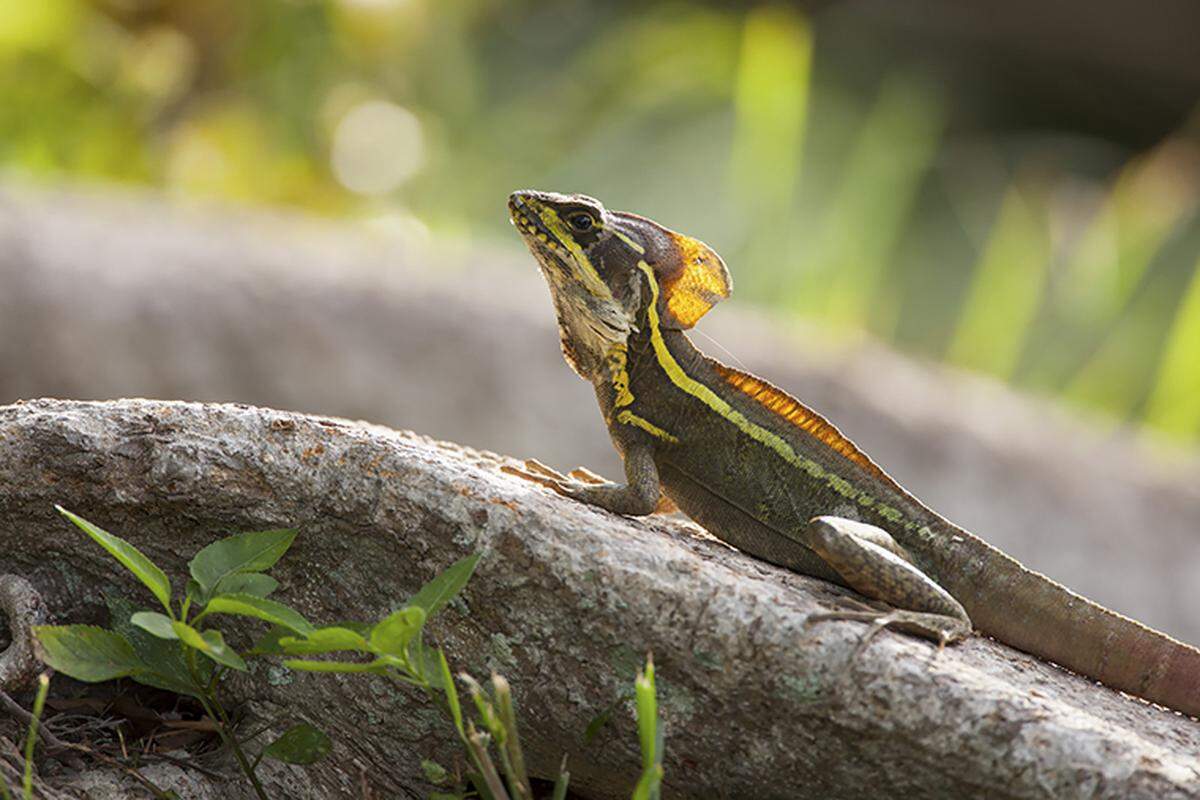
Most shocking was that all species studied responded similarly to the same “new, lower level of thermal tolerance,” said Stroud, a postdoctoral researcher and study co-author. “Given great variation in body size, ecology and physiology, this was unexpected.”
The study’s findings, published Oct. 21 in the journal Biology Letters, provide evidence that tropical reptiles like lizards — creatures considered unable to withstand quick changes in temperature — can “sometimes” survive spikes in extreme environmental conditions, which experts say are on the rise.
The team says understanding how lizards are learning to survive in changing environments can teach experts about the impacts of climate change.
Now, the researchers need to figure out how the lizards were able to dodge their temporary paralysis.
“Is this evidence of natural selection, with those lizards that just happened to have a lower cold tolerance surviving and others freezing to death?” Losos said. “Or was it an example of physiological adjustment — termed ‘acclimation’ — in which exposure to lower temperatures changes a lizard’s physiology so that it is capable of withstanding lower temperatures?”
This story was originally published November 4, 2020 at 4:29 PM with the headline "Zombie lizards may not be falling from trees as often as they used to. Here’s why."