Are you a light or deep sleeper? Alzheimer’s risk tied to how you snooze, study says
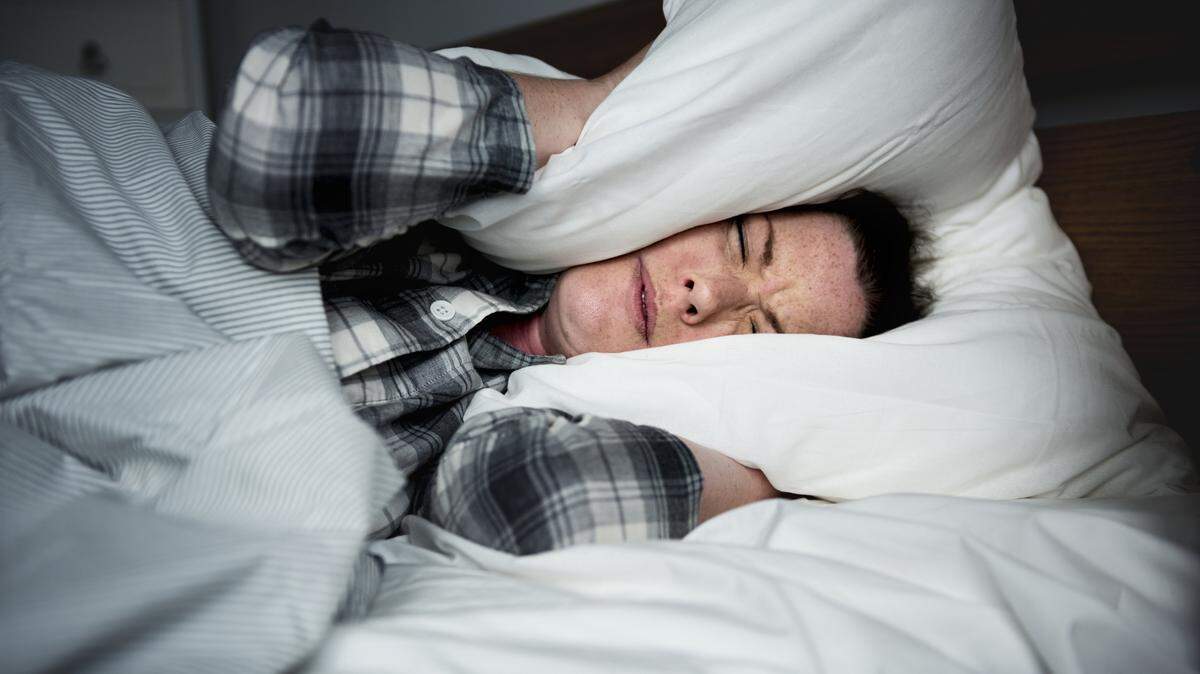
A team of neuroscientists says they found a way to predict when a person might develop Alzheimer’s disease years before symptoms appear. Turns out there’s a correlation between poor, fragmented sleep and the buildup of toxic plaque in people’s brains known to mark the onset of dementia.
Researchers say instead of waiting to develop the disease, individuals can focus on boosting their snoozing quality now to prevent Alzheimer’s, which has no treatment or cure, later. A study on the results was published Thursday in the journal Current Biology.
“We have found that the sleep you’re having right now is almost like a crystal ball telling you when and how fast Alzheimer’s pathology will develop in your brain,” study senior author Dr. Matthew Walker, a University of California, Berkeley professor of psychology and neuroscience, said in a news release.
“The silver lining here is that there’s something we can do about it. The brain washes itself during deep sleep, and so there may be the chance to turn back the clock by getting more sleep earlier in life.”
Stages of sleep
There are two cycles of sleep: non-REM and REM, or rapid eye movement. The former happens first and includes three phases. The first stage lasts about five to 10 minutes and is when people are easily woken. Then a transition to light sleep occurs when heart rate and body temperature drops.
Lastly is the deep sleep stage, when the body takes time to repair itself, regrow tissues, build bone, grow muscle and strengthen the immune system, according to WebMD. And the older a person gets, the less of this deep, restorative sleep they experience.
Then comes REM sleep that can last about 10 minutes when dreams occur. The whole cycle repeats itself several times.
Previous research has shown that sleep can wipe the brain of toxic plaque called beta-amyloid, which damages memory pathways and interferes with other brain functions, thus triggering Alzheimer’s. The new study points to “deep non-REM slow-wave sleep as the target of intervention against cognitive decline.”
Better sleep can ‘bend the arrow of Alzheimer’s risk downward’
The team recruited 32 healthy adults in their 60s, 70s and 80s who are part of the Berkeley Aging Cohort Study that began in 2005 and had them sleep for eight hours in a lab. Meanwhile, their brain waves, heart rate and blood-oxygen levels were collected to measure their sleep quality.
Over the years, the researchers tracked the growth of beta-amyloid proteins in the participant’s brains using PET scans and compared it to their sleep profiles, focusing on deep sleep stages. Those who experienced more fractured sleep and less deep sleep showed an increase in the protein over time, according to the study.
Now, the team wants to develop ways to help the individuals who have a high risk of developing Alzheimer’s to improve their sleep quality.
“Our hope is that if we intervene, then in three or four years the buildup is no longer where we thought it would be because we improved their sleep,” study lead author Joseph Winer, a Ph.D. student in Walker’s Center for Human Sleep Science at UC Berkeley, said in the release.
“Indeed, if we can bend the arrow of Alzheimer’s risk downward by improving sleep, it would be a significant and hopeful advance,” Walker said.
This story was originally published September 4, 2020 at 10:32 AM with the headline "Are you a light or deep sleeper? Alzheimer’s risk tied to how you snooze, study says."