
Dry California offers lessons on use of groundwater
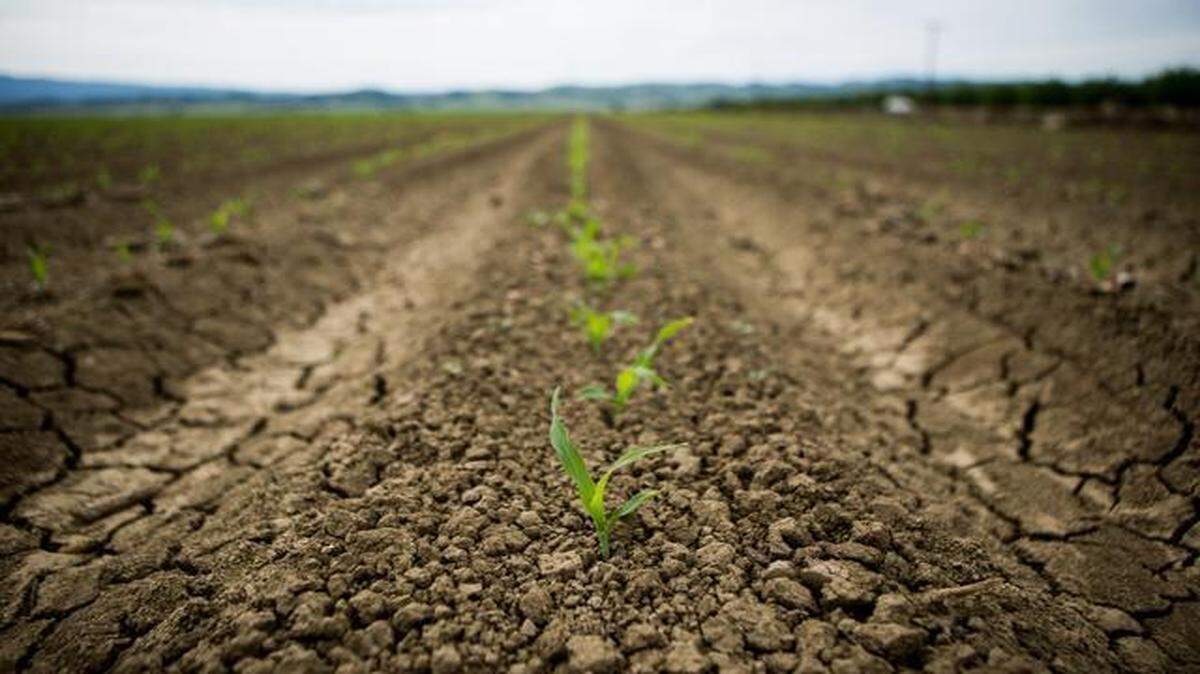
Even as the worst drought in decades ravages California, and its cities face mandatory cuts in water use, millions of pounds of thirsty crops such as oranges, tomatoes and almonds continue to stream out of the state and onto the nation’s grocery shelves.
But the way that California farmers have pulled off that feat is a case study in the unwise use of natural resources, many experts say, and it holds lessons for other states such as Kansas. Farmers are drilling wells at a feverish pace and pumping billions of gallons of water from the ground, depleting a resource that was critically endangered even before the drought, now in its fourth year, began.
California has pushed harder than any other state to adapt to a changing climate, but scientists warn that improving its management of precious groundwater supplies will shape whether it can continue to supply more than half the nation’s fruits and vegetables on a hotter planet.
As a drilling frenzy unfolds across the Central Valley, California’s agricultural heartland, the consequences of the overuse of groundwater are becoming plain to see.
In some places, water tables have dropped 50 feet or more in just a few years. With less underground water to buoy it, the land surface is sinking as much as a foot a year in spots, causing roads to buckle and bridges to crack.
Scientists say some of the underground water-storing formations so critical to California’s future — typically, saturated layers of sand or clay — are being permanently damaged by the excess pumping, and will never again store as much water as farmers are pulling out.
“Climate conditions have exposed our house of cards,” said Jay Famiglietti, a NASA scientist in Pasadena who studies water supplies in California and elsewhere. “The withdrawals far outstrip the replenishment. We can’t keep doing this.”
Cannon Michael, a farmer who grows tomatoes, melons and corn on 10,500 acres in the town of Los Banos, in the Central Valley, has high priority rights to surface water, which he inherited with his family’s land. But rampant groundwater pumping by farmers near him is causing some of the nearby land to sink, disturbing canals that would normally bring water his way.
“Now, water is going to have to flow uphill,” said Michael, who plans to fallow 2,300 acres this year.
In the midst of this water crisis, Gov. Jerry Brown and his legislative allies last year overcame decades of resistance from the farm lobby to adopt the state’s first groundwater law with teeth. California became the last state in the arid West to move toward serious limits on the use of its groundwater.
Last week, Brown imposed mandatory cuts in urban water use, the first ever. He exempted farmers, who already had to deal with huge cuts in surface water from the state’s irrigation works. Brown defended the decision Sunday on ABC’s “This Week,” saying, “They’re providing most of the fruits and vegetables of America to a significant part of the world.”
In Kansas, drought in the southwest part of the state, the ongoing demand for irrigation water and scary reports from California are putting new pressure on policymakers to finalize a 50-year plan for protecting above- and below-ground water supplies.
Much of the talk centers on the rapid decline of the western Ogallala aquifer, the ancient underground water source now drying at an unprecedented rate. The draft 50-year plan suggests strategies including conservation, reuse of water, better management techniques, more drought-resistant crops.
But it also hints at the still-explosive idea of moving billions of gallons of water from water-rich areas to parched western Kansas.
In normal times in California, agriculture consumes roughly 80 percent of the surface water available for human use in the state, and experts say the water crisis will not be solved without a major contribution from farmers.
California’s greatest resource in dry times is not its surface reservoirs, though, but its groundwater, and scientists say the drought has made the need for better controls obvious. While courts have taken charge in a few areas and imposed pumping limits, groundwater in most of the state has been a resource anyone could grab.
Yet putting strict limits in place is expected to take years. The new law, which took effect Jan. 1, does not call for reaching sustainability until the 2040s. Scientists have no real idea whether the groundwater supplies can last until the 2040s.
Growers with older, shallower wells are watching them go dry as neighbors drill deeper and suck the water table down. Some farmers are going into substantial debt to drill deeper wells, engaging in an arms race with their neighbors that they cannot afford to lose.
“You see the lack of regulation hurting the agricultural community as much as it hurts anybody else,” said Doug Obegi, a lawyer with the Natural Resources Defense Council in San Francisco.
Against this backdrop, water-thirsty crops like almonds are still being planted in some parts of the Central Valley to supply an insatiable global demand.
The Star’s Dave Helling contributed to this report.
This story was originally published April 5, 2015 at 9:56 PM with the headline "Dry California offers lessons on use of groundwater."