
Supernanny calls out ‘lazy, enabling’ parents for leaving potty training to teachers
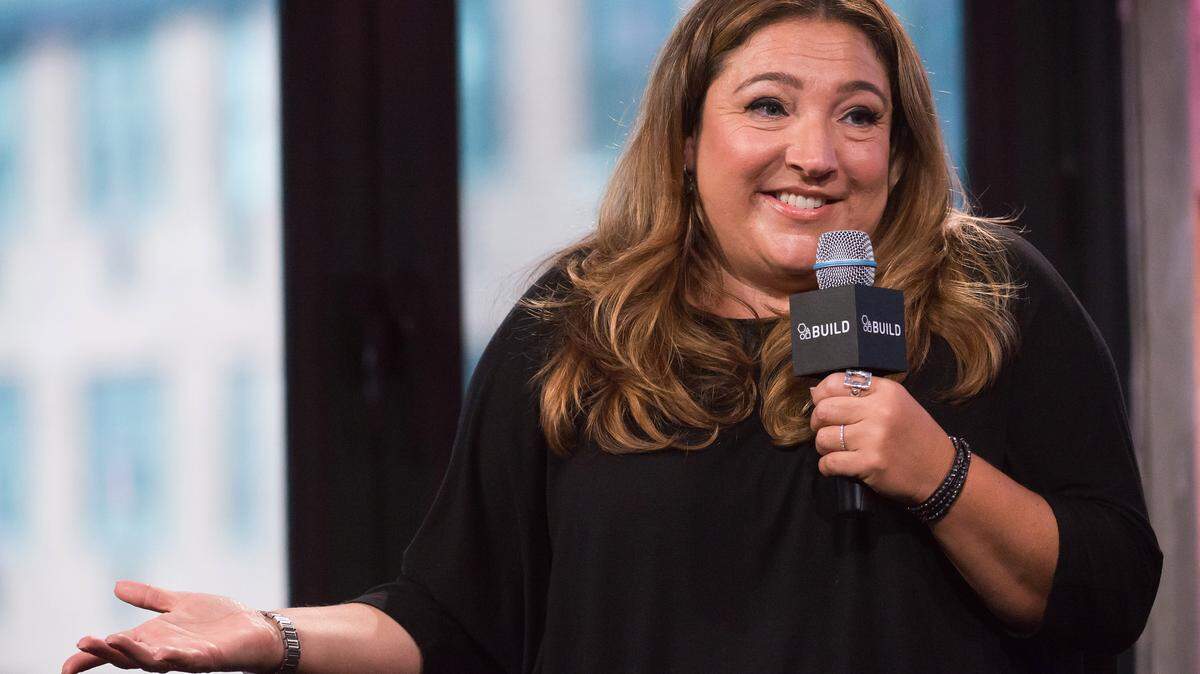
TV’s “Supernanny” stirred up a heated debate about parenting with a tweet that seemed to call out “lazy, enabling” parents who send kids as old as 5 off to school without potty training and are wiping bottoms for children as old as 7.
British parenting expert Jo Frost invited feedback to her post earlier this week, and she got it as the tweet became a headline in UK publications.
“[Excluding medical conditions] Toddlers still on pacifiers Teachers potty training 5YO 6YO still in pushchairs Bottoms still being wiped at 7YO Have parents become lazy,enabling, Too helpful to Please?” Frost wrote.
Professional British nanny and author Frost, who has worked in child care for nearly three decades, became an internationally known parenting expert in 2004 when she starred in a British reality TV show called “Supernanny,” according to her IMDB biography.
For six years she guided families through everything from tantrums to toilet training. She starred in an American version of the show on ABC that ran six seasons until 2011, according to the TV Series Finale website.
Teachers and other nannies weighed in on her tweet, some saying that they do have to take time away from other students to potty train some of their young charges.
One teacher tweeted that she’s “frankly unable to teach because I spend a large proportion of the day toilet training the many children who now start school not having achieved this crucial milestone. It’s not fair on the other children who have a right to learn and play!”
“I work as a nanny,” another woman tweeted. “Kids absolutely have their parents round their little fingers these days. I’ve been told it’s ‘working mums guilt.’”
Parents chided one another for leaving the potty training to teachers. Swiped one mom: “Lazy parents, I toilet trained my daughter at 3 and she’s autistic!”
Some parents defended themselves, and other parents, with comments suggesting they felt judged by what Frost said.
“Although it’s not ideal — sometimes children take a bit longer or parents circumstances don’t make it possible. Not always about laziness in my opinion.” wrote one women. “Overall the most important thing is for children to be brought up feeling loved and parent supported not judged.”
Wrote another: “I think there isn’t a one size fits all solution to many of the problems. Many families are working two/three jobs to make ends meet and don’t have the time. Also, in my experience each child is different and you have to adapt to them.”
The Mayo Clinic says many children show they’re ready to be potty trained between the ages of 18 months and 24 months, but others might not be ready until they’re 3 years old.
“There’s no rush,” the clinic advises on its website, where it offers potty training tips. “If you start too early, it might take longer to train your child.”
In a video on the Up TV website, Frost offers parents this suggestion: “If after, an afternoon nap, your child’s diaper is dry, then you know that they’ve formed some kind of control and it’s time to move them onto a potty.”
As for Frost’s concern about “toddlers on pacifiers,” binky usage is a whole other parenting topic that defies consensus.
“Perhaps no discretionary decision causes parents more angst than the question of whether to introduce a pacifier — and later, when and how to take it away,” writes Parents magazine. “There is no shortage of opinions on the subject.”
Though some experts told Parents that the plug should be pulled by age 1, others were more flexible, saying most kids give them up by 3 or 4.
“It’s okay to make pacifiers the last thing to go,” North Carolina pediatrician Karen Breach told Parents. “Once a baby is weaned and potty trained, then focus on stopping the pacifier.”