
First Church of Cannabis says pot is a holy sacrament, but court ruling is a buzzkill
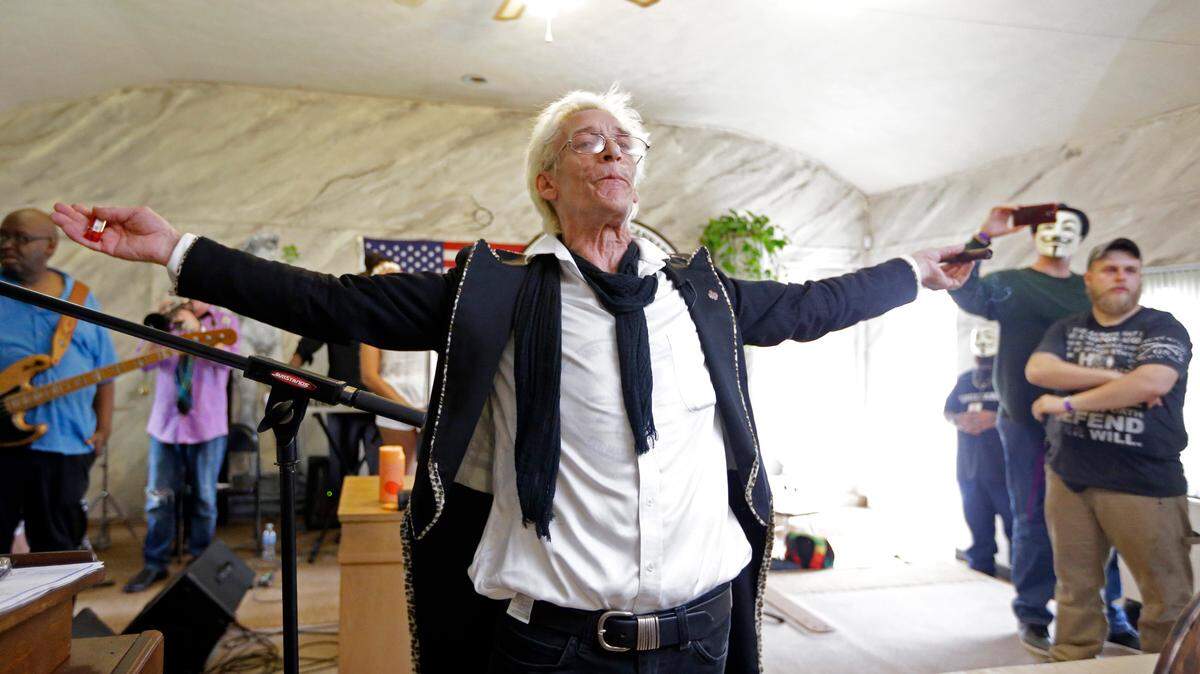
A judge in Indiana has ruled that an Indianapolis church cannot use marijuana as a religious sacrament in a state where pot is illegal.
The First Church of Cannabis has been seeking a legal blessing for three years.
The church cannot use Indiana religious freedom laws to skirt state and federal laws banning marijuana, Marion County Superior Court Judge Sheryl Lynch ruled on Friday, the Indianapolis Star reported.
The church, recognized by the Internal Revenue Service as a nonprofit corporation, argued that the "government cannot determine what religious beliefs are to be protected," the Star reported.
In her opinion, Lynch wrote that if she granted the church's request, it could become a target for "non-believers" and that the "dividing line" between sacramental and recreational use of marijuana might be difficult to define, making it "impossible to combat illicit drug use and trade."
The church filed its lawsuit right after becoming a recognized church in 2015, according to Newsweek. The church argued that Indiana's Religious Freedom Restoration Act, backed by former Indiana governor and current Vice President Mike Pence, gives them the right to use the drug, Newsweek reported.
The act prevents the government from infringing on individuals' practice of religion without a compelling reason, according to NBC 4 in Columbus, Ohio.
The church, which created its own version of the Ten Commandments called the "Deity Dozen," according to Newsweek, describes cannabis as "our sacrament."
A regular gathering of individuals known or reasonably expected to be carrying, and growing, marijuana ready for consumption, Lynch wrote, "would be a tempting target for non-believers looking to turn marijuana intended for sacrament into a source for recreational use or illicit trade.
"The lack of any security plan or protocol may invite thieves, gangs, and drug dealers to see (First Church of Cannabis) as a target for robbery."
Lynch also wrote about the problems such an exemption would create for police.
If given a legal exemption to possess marijuana, she wrote, "it would be unclear whether state law enforcement officers would be permitted to use the scent of marijuana or plants or paraphernalia in plain view as probable cause for a search warrant."
And, she wrote, "it is also unclear whether officers would have the authority to arrest or detain suspects while religious (clarifications) are being investigated without creating grounds for additional litigation."
Indiana law enforcement officers, she wrote, "are not trained to make case-by-case determinations during criminal investigations as to whether an individual's religious beliefs legally justify the use of marijuana.
"Indeed, there is currently no other situation in which law enforcement officers would have to evaluate the sincerity of a suspect's religious faith in this fashion."
Bill Levin, the founder of the church who is known as the "Grand Poobah," posted on Facebook Saturday that an appeal is coming.
“I love you. We lost. We are appealing … and so it goes,” he wrote.
According to the Star, Indiana's embattled attorney general, Curtis Hill, praised the judge's ruling in a statement, calling the church "a pro-marijuana political crusade that turned into a legal stunt."
On Facebook, Levin called cannabis "safer than Curtis Hill," a reference to growing calls for Hill's resignation after four women, including a state lawmaker, accused him of groping them at a party in March.