
Pee-Wee Herman? Art world fumes over 'botched' restoration of 16th-century St. George
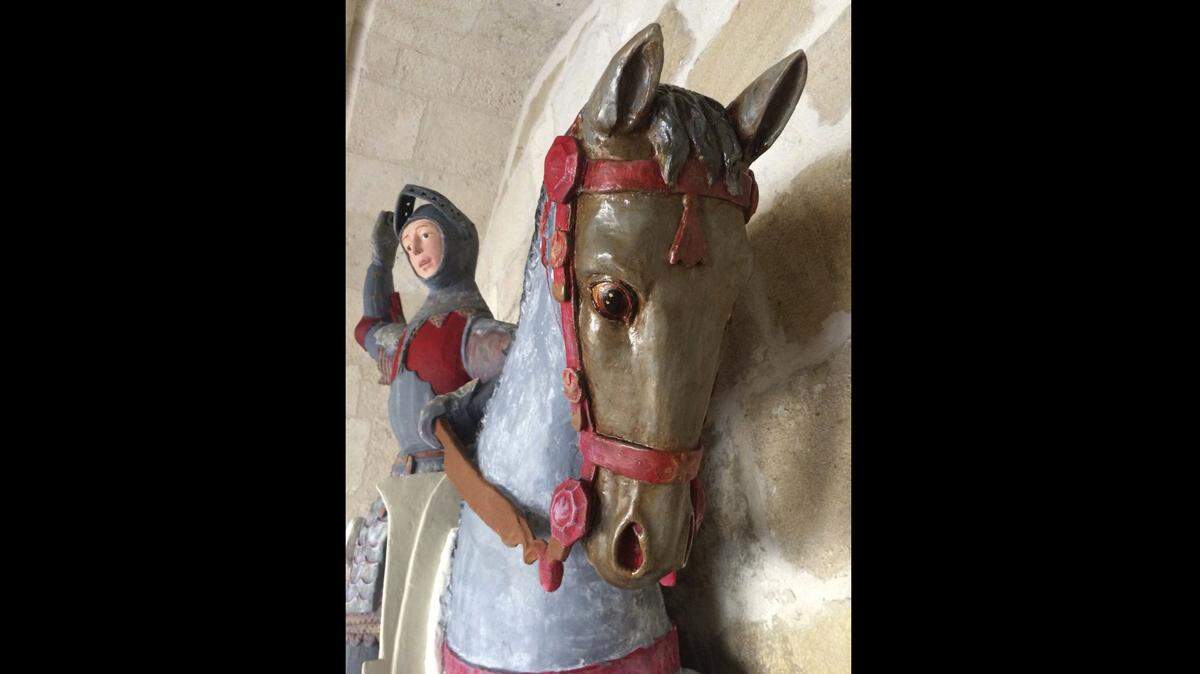
Art experts are fuming over what they call another botched stab at art restoration in Spain, and the hue and cry among both professional and armchair critics can be summed up in one word.
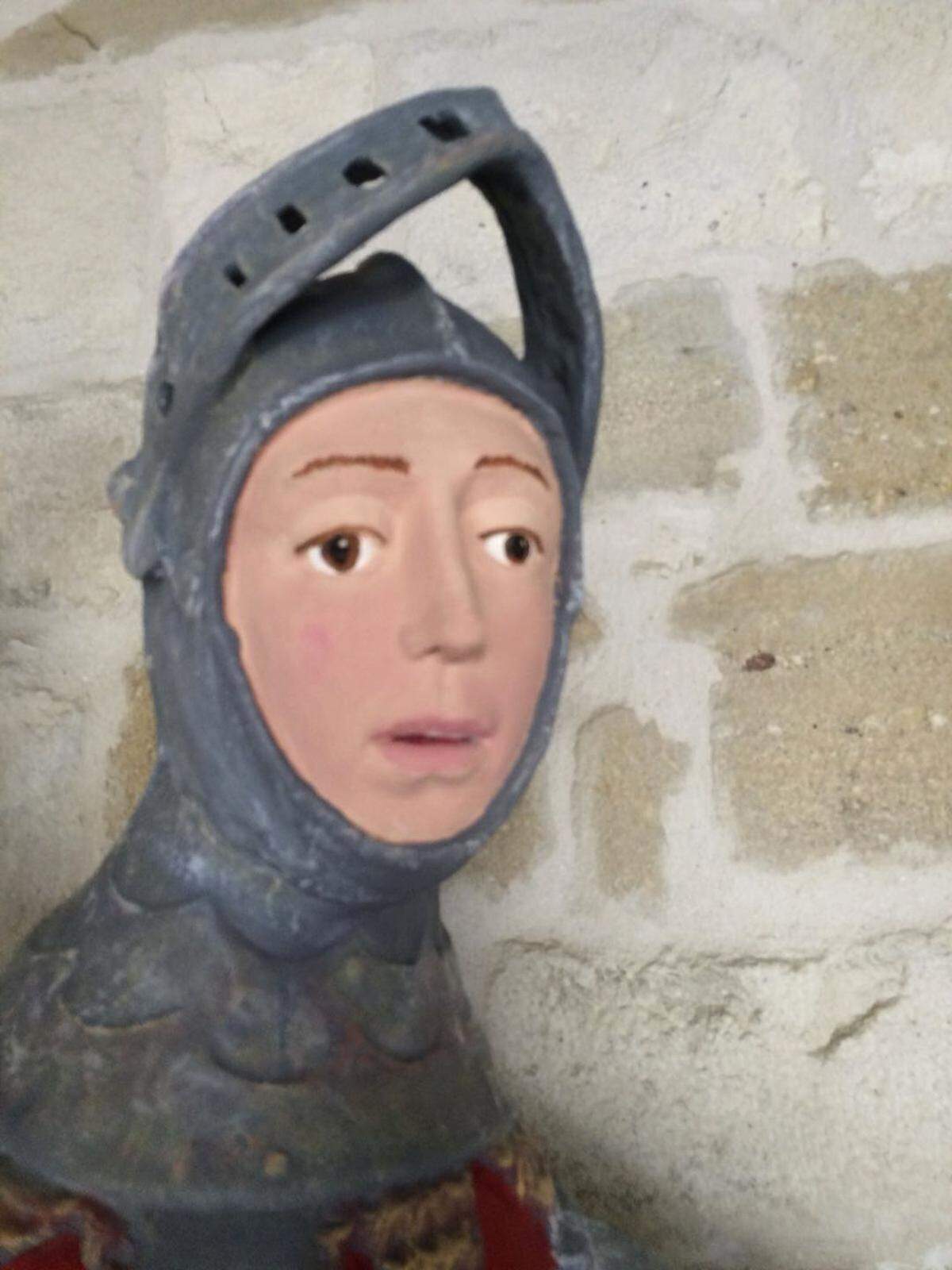
Yikes.
St. Michael's Church in Estella, in northern Spain, hired a local art teacher to perform a makeover on a 16th-century, carved wood sculpture of St. George on horseback, The BBC reports.
Spanish news outlets report that the parish priest only asked for the statue to be cleaned, according to the BBC.
But that's not what happened.
Paint brushes were obviously wielded.
"This statue had the typical characteristics of a gentleman of the 15th or early 16th Century," Miguel Zuza, a member of the local Navarre Council of Culture, told Spanish media, according to Britain's The Sun. "Now it has been butchered and looks like a carousel figure."
The insults hurled by critics online, some rounded up by the Sun, compare the statue's fresh new face to Marty Feldman as Igor in "Young Frankenstein" and a character from Disney's "The Sword in the Stone."
Others think St. George now looks like Pee-Wee Herman.
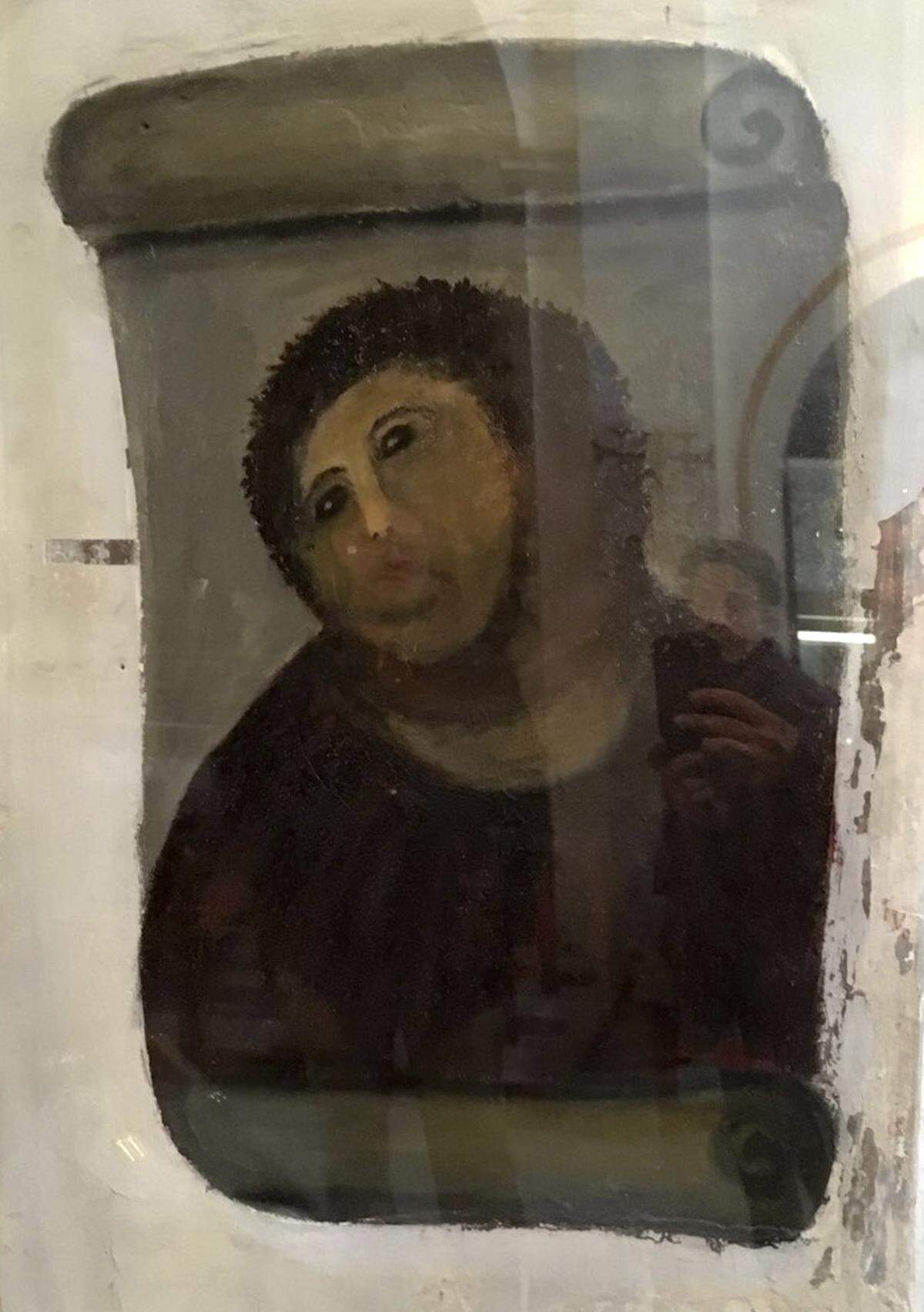
Some people are feeling a strong sense of deja vu, comparing this to the now-infamous attempt in 2012 to restore the deteriorated "Ecce Homo" - Behold the Man - fresco of Jesus Christ at Borja Church in Zaragoza, another town in northern Spain.
An octogenarian parishioner at that church did such a bad paint job the project earned universal scorn and the nickname "Monkey Christ."
The St. George piece "shows a typical depiction of Saint George on horseback clad in armor and fighting a dragon." writes Artnet, an art market website.
"Unfortunately, the 500-year-old artwork now resembles something out of a Disney cartoon: The uniformity of the paint distribution has left Saint George with a pink face, beady eyes, and a garish red and gray suit of armor."
The town's mayor is furious that city leaders weren't consulted before the church had the work done.
"The council wasn't told and neither was the regional government of Navarre," Mayor Koldo Leoz told The Guardian newspaper.
"They've used plaster and the wrong kind of paint and it's possible that the original layers of paint have been lost. This is an expert job, it should have been done by experts."
Leoz told other Spanish media outlets that the local government could have provided money to hire "competent technicians" to properly preserve the local cultural heritage, Artnet reported.