KCK tiny houses provide stability after life in the streets. They’re building more
Cariann Lile’s evenings are quieter, safer than what she knew before.
Her Kansas City, Kansas, neighborhood is gated, it’s locked and the people she spent years afraid of can’t reach her anymore. She has a rescue cat, Kiwi, whom she knows would scare off anyone who tried to get into her home without permission.
“I’m safe and I love the community,” Lile told The Star. “And we’re all family, and I can work on thriving.”
After six years of living on the streets, near Independence Avenue and The Paseo in Northeast Kansas City, and two years trying to get sober, her new home has given her the opportunity to breathe for once. Eden Village, a tiny home community in KCK, was designed to bring stability to people like her, who have experienced chronic homelessness.
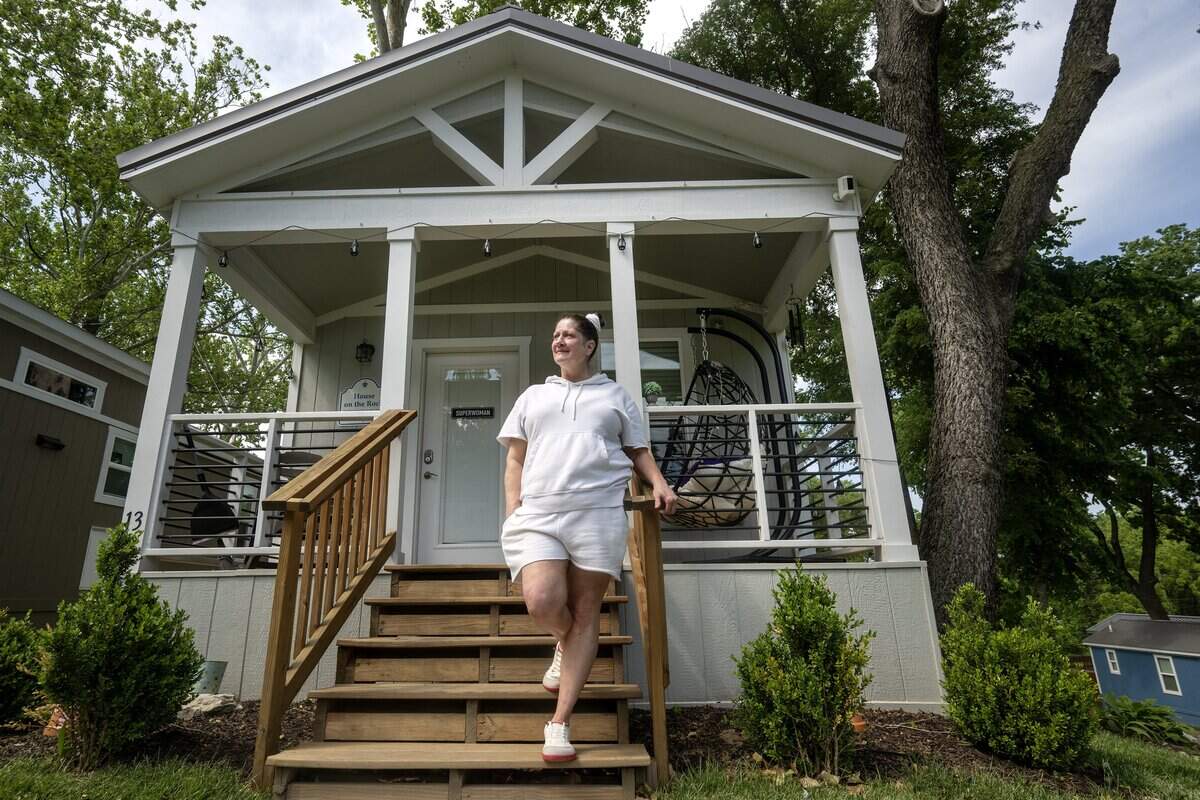
And this place of her own? It’s decked out entirely pink.
Soon, more people will have access to a similar community. Tuesday afternoon, Lile joined local officials, members of the Eden Village board and soon-to-be neighbors for the groundbreaking of a second Eden Village neighborhood. This time, it’s in Midtown KCK, near 59th Street and State Avenue.
Rent, including utilities, will be $400 for those who qualify to live there.

Just like its sibling location off 10th and Metropolitan, the new village will house people who have consistently struggled to find secure housing and mental health care. In addition to cheaper rent, the complex will offer wraparound mental health services, opportunities to connect with nature and a sense of community.
Minds behind the project hope this new development will serve as yet another way that people can pitch in to address a large affordable housing shortage and prevalent homelessness in KCK, a city that has lacked a year-round homeless shelter despite officials’ plans to build one.
Come next year, people will be able to apply to live in one of the 30 new homes that Eden Village expects to complete by spring 2027. And so long as they’re neighborly, keep drugs out of the house and pay rent on time, residents can stay for as long as they’d like. Or, they can stay until they can afford something else.
Construction will go in phases, said Katrina Gerber, Eden Village’s treasurer and the project manager for this second development. By fall, the community should have 18 modular homes on site. The remaining 12 houses should be done by spring.
This time around, homes will be laid on foundations for increased stability.
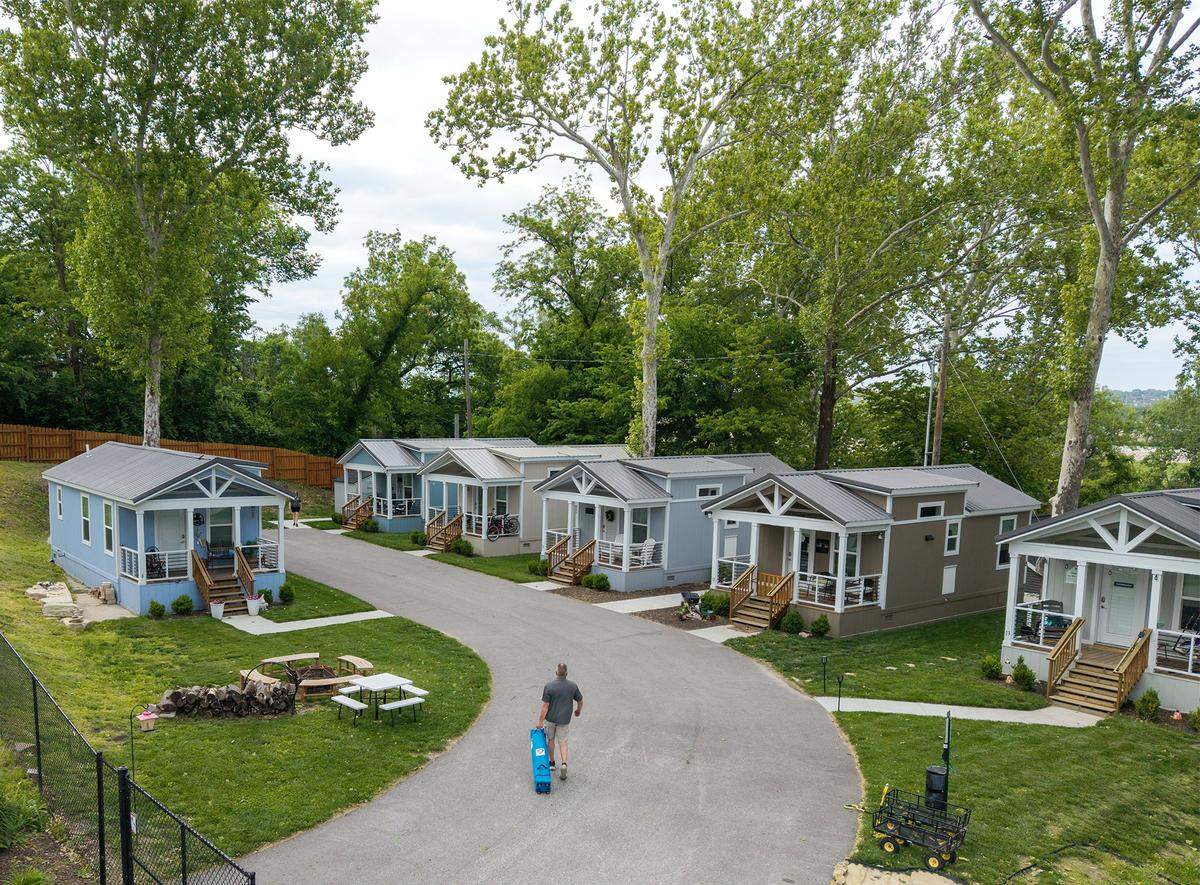
Despite being called “tiny homes,” they’re really not, Gerber said. Most of the houses, which look like mobile homes, are about the size of a studio apartment. But the bedroom has a door that separates it from the rest of the home. It’s plenty of space for most residents, whom Gerber said often arrive in the village with little more than a backpack of their belongings.
At a time when “affordable housing” can mean rent ranging anywhere from $1,000 to $1,400 — or, living in a lower-cost, but also lower-quality building — Gerber said privately-funded projects like Eden Village are an essential part of addressing chronic homelessness.
“They can now start doing the things that they’ve only dreamed about,” Gerber said.

Can change lives
If going through the abuse she experienced on the streets, frigid nights sleeping in the snow and getting kicked out of a sobriety home would mean that Lile would inevitably end up living at Eden Village, she’d do it all over again, she said through tears.
She’s been in her home there for a year and a half and was able to get a job at the nearby Walmart. Next week, she starts a new gig as a keyholder at the local Dollar General.
“I literally won the lottery. I still can’t believe it,” she said.
When she was living on the streets, Lile would make posters and protest on behalf of all groups that faced discrimination, including people who were experiencing homelessness. Her efforts garnered her the nickname “Superwoman.” She proudly wears that name on her Walmart ID badge and has a sign saying that hanging outside her home.
In Eden Village, Superwoman gets to hang up her cape after a long day. She gets to sprawl out on her pink bed. She gets to lock the door and know everything’s going to be OK.
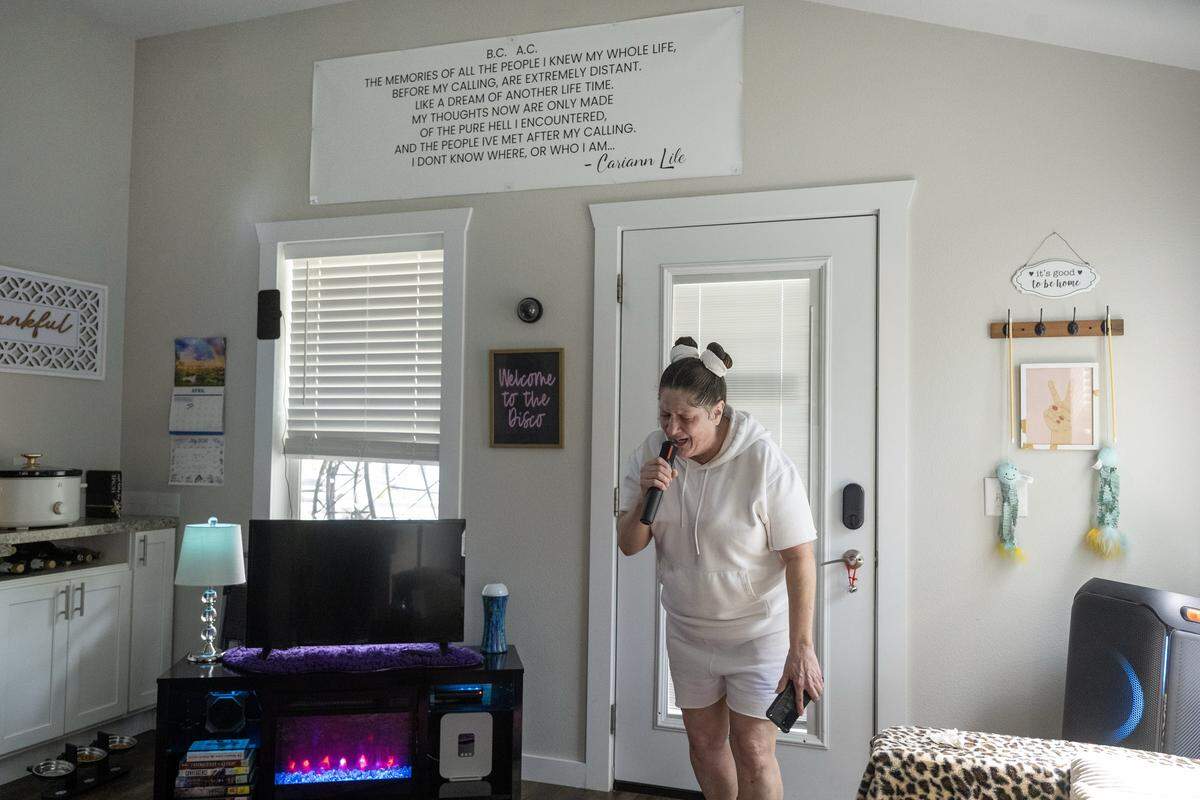
Getting accepted to live in the tiny home was the best experience of her life, Lile said. It’s the reason she’s been able to get to where she is today, she said. She first heard about the neighborhood during an AA meeting, and she applied for it at a local library.
“I said, while I was waiting for my background check, that if this comes through, I’m going to drop to my knees, and I’m going to scream at the top of my lungs crying,” Lile said. “And that’s what I did.”

Lile loves to sing. She does it all the time, sometimes even speaking to the beat of a little tune. She enjoys hosting karaoke nights for her neighbors inside her home, which is soundproof.
Acclimating to a new life
Depending on how long someone has lived on the streets for, it can take them a while to realize that they’re safe and have finally found secure housing, Gerber said. It’s a dramatic shift from needing to be so vigilant at all times.
Sometimes, that means people keep to themselves and don’t interact with neighbors as much. Others spend their first few nights sleeping on the floor before they understand that the furnished home they’re in is all theirs.
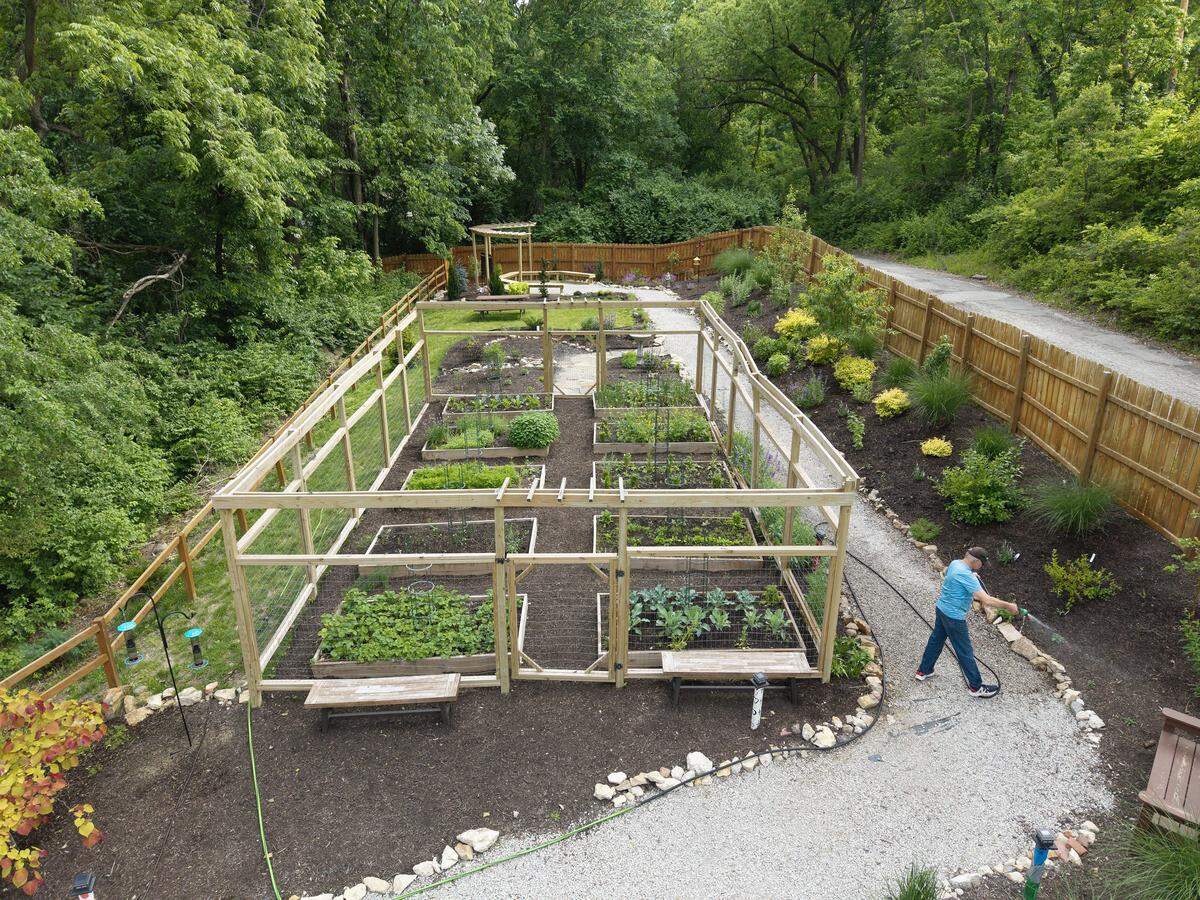
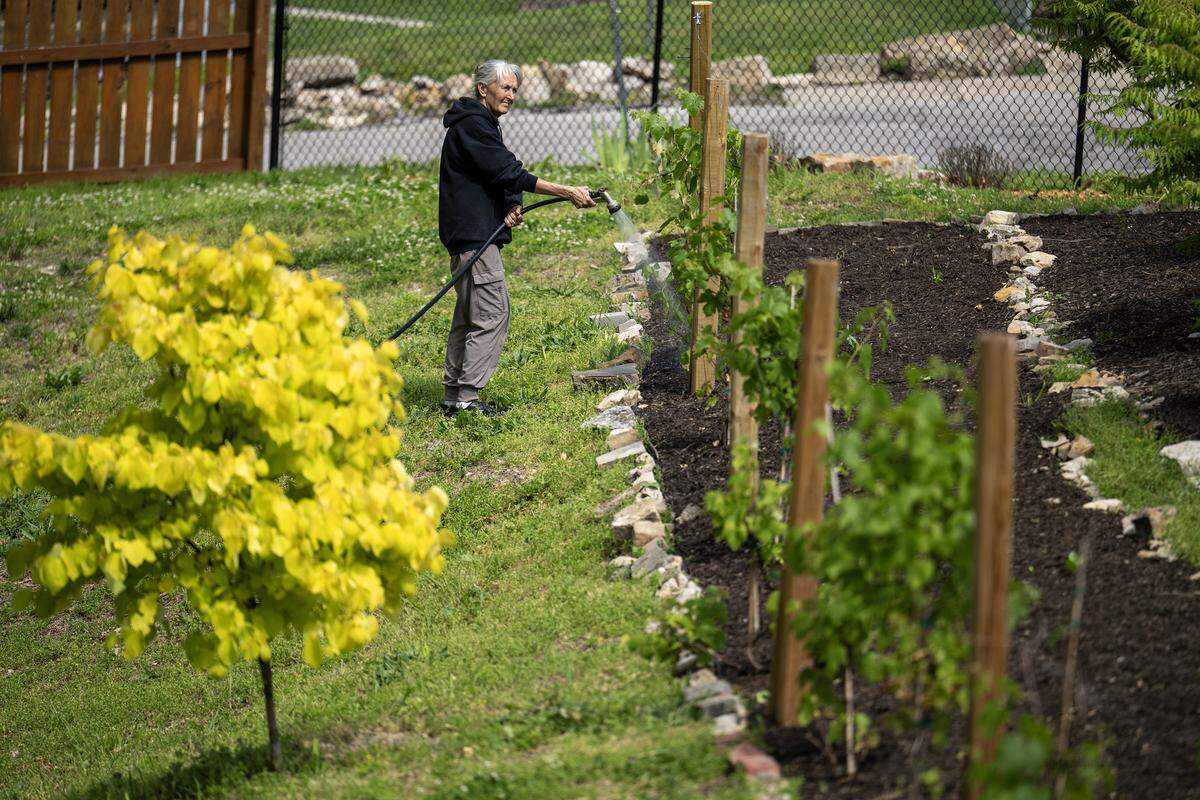
Paul Schnirch was out at the Eden Village community garden on Tuesday, scoping out some vegetables and spending time out in nature.
He said his life is “excellent” compared to what it was when he was living outside. He feels like the people in his life are helping him, and others, participate in society.

“I love it here, I love it here,” Schnirch told The Star. “It gives you hope and hope for the future. It’s something you can call your own.”
He said life at Eden Village makes him feel complete, and suggested that anyone who wanted to see the organization’s work in action should come by and see it for themselves.
People who qualify to live at Eden Village are people who need a community’s support to have a chance at getting back on their feet. Residents have to have lived on the streets for at least a year, or have been on and off the streets over the course of a few years.
The village also tries to house people who are experiencing a specific type of pain, like a mental illness or a disability that would either make living in another community difficult or that would make it difficult for them to get approved for other kinds of housing.
The need is out there
Eden Village’s first development, near 10th and Metropolitan, had its grand opening about two years ago. And as far as the organization is concerned, it’s been an absolute success, Gerber said.
Both projects are entirely funded through private donations. Eden Village is run by a governing board of directors and is a part of the nonprofit organization Three Dog Night.
At least 80% of the residents in the neighborhood of 22 homes have either maintained their residence in the neighborhood or have been able to find and maintain secure housing elsewhere.
Ultimately, the goal is to set people up to be able to find permanent housing for themselves. And if Eden Village is that for them, then they can stay as long as they’d like.
Housing affordability is a notably pressing concern in Wyandotte County. People have continued to worry that they’d lose their homes as property tax bills and other costs of living rise outpace their incomes.
Hundreds of families in the county don’t have a stable place to live or are at risk of losing their housing. During the 2023-24 school year, 762 students in Kansas City, Kansas Public Schools; 90 in Turner Unified School District; 27 in Piper Unified School District; and 19 in Bonner Springs-Edwardsville Unified School District qualified for McKinney-Vento services.
And last year, the Unified Government Board of Commissioners passed an ordinance that stipulates people who are caught living outdoors, on public or private property, would be required to do up to 40 hours of community service, pay hundreds in fines or spend up to a month in jail.
As of now, Eden Village isn’t actively eyeing a third development. But, they’re open to expanding efforts if the fundraising is there down the road. It currently costs about $75,000 to build one of the homes.
But the need for projects like Eden Village is out there, Gerber said.
This story was originally published May 13, 2026 at 3:14 PM.