He promised to revitalize the home of KCK’s dead mall a year ago. What now?
AI-generated summary reviewed by our newsroom.
- Unified Government and developers stalled on land price and development deal.
- Developers aim to finance a $1B Midtown Station through phased construction.
- Project proposes 2,000 housing units, transit hub, solar microgrid and retail.
More than 40 years ago, Indian Springs Mall breathed life into midtown Kansas City, Kansas.
Families gathered to catch movie matinées. It was a hot spot for Christmas shopping, housed the children’s museum and offered live music performances from local bands. Teens cruised about during the summer months.
On a Friday night, people had somewhere to go.
“The dog days of summer have arrived, leaving many parents wondering what they and their children can do for fun besides go to the pool or stay shut up in an air-conditioned house,” a 1990 article about the mall, in the Bonner Springs-Edwardsville Chieftain, read. “The Children’ s Museum of Kansas City may provide the answer to that question.”
But Indian Springs was no exception to malls’ widespread declining popularity throughout the 1990s and into the 2000s that led many to close. Big department stores pulled out, foot traffic ebbed and just after the turn of the century, Indian Springs was declared a dead mall.
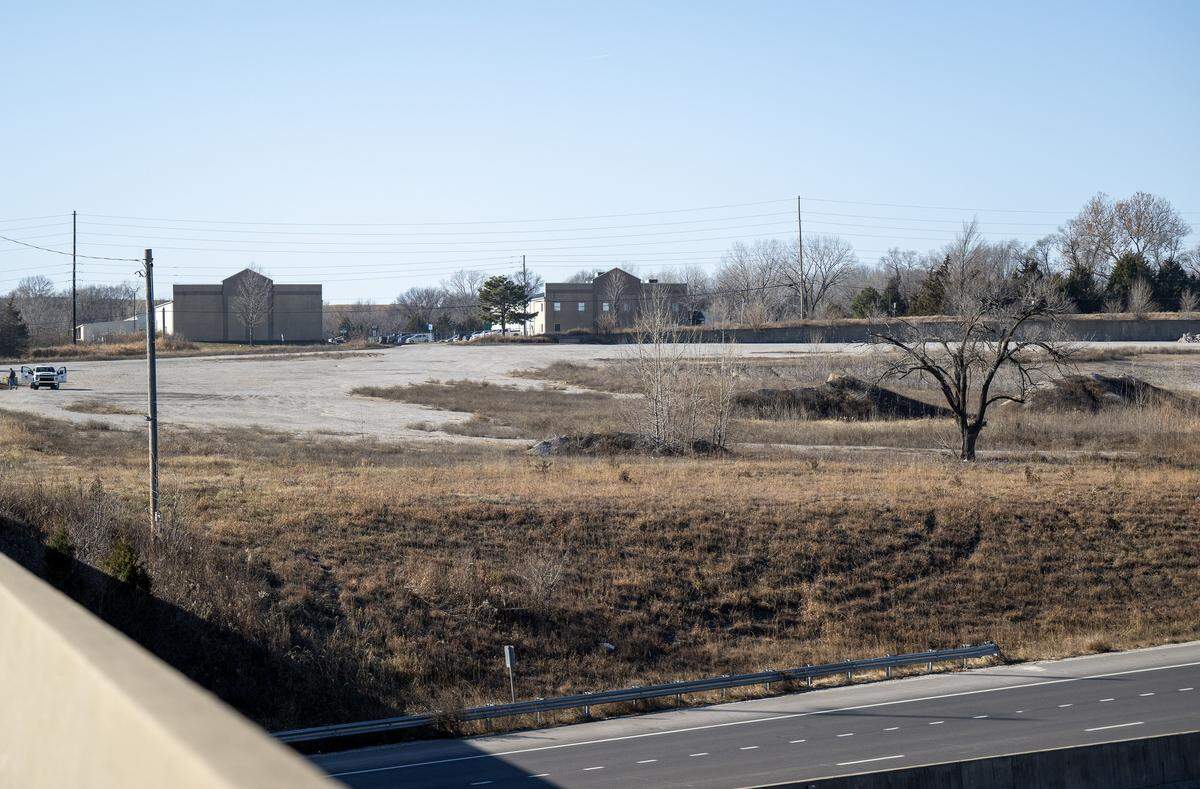
It would stay that way until its 2016 demolition.
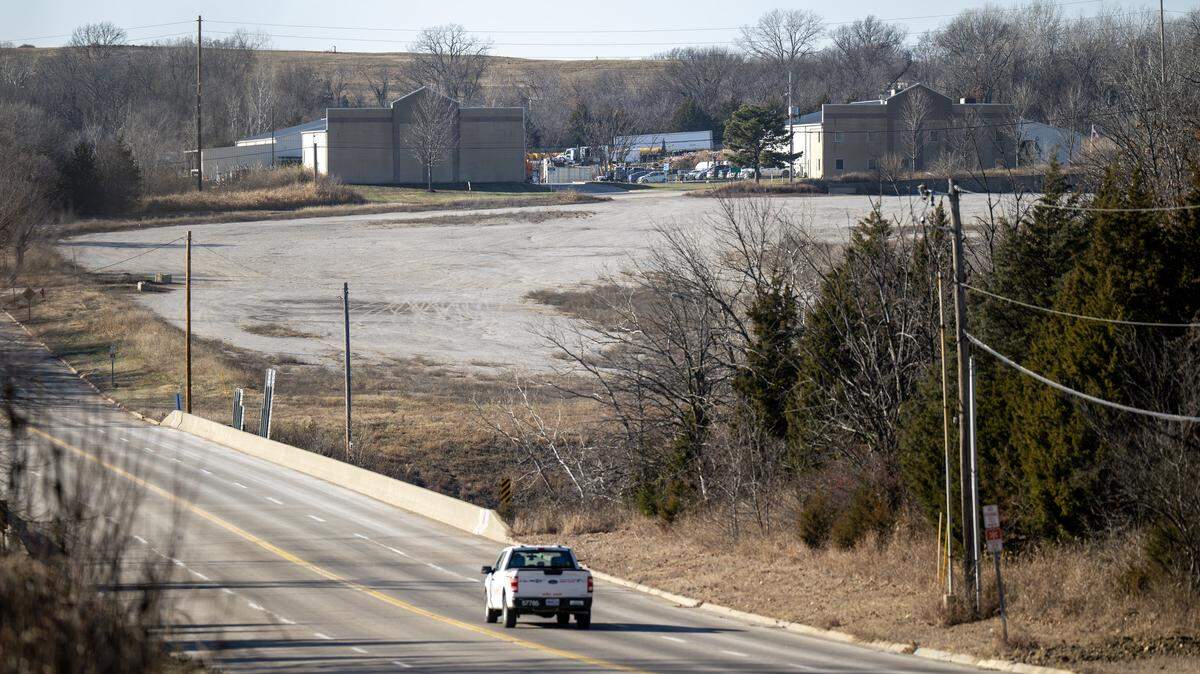
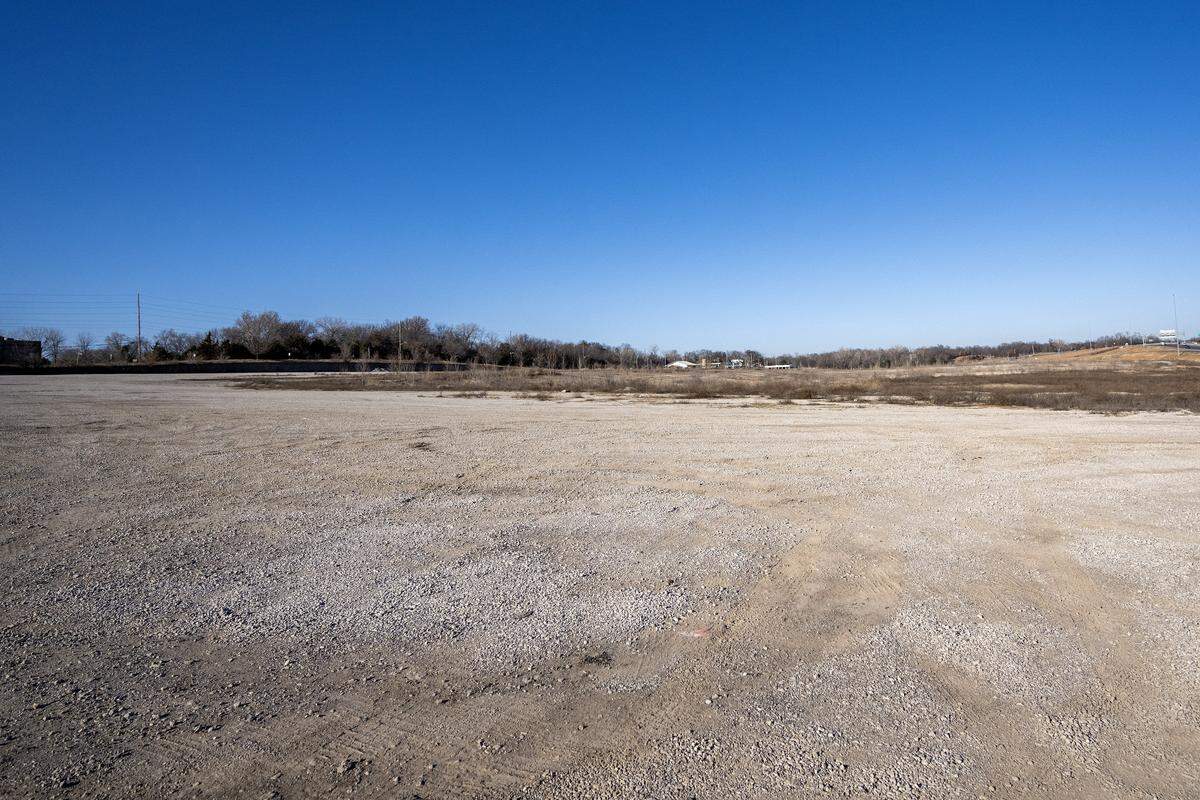
What remains? Acres of prime real estate off State Avenue and Interstate 635, and the hope that someone will bring meaning back to the property.
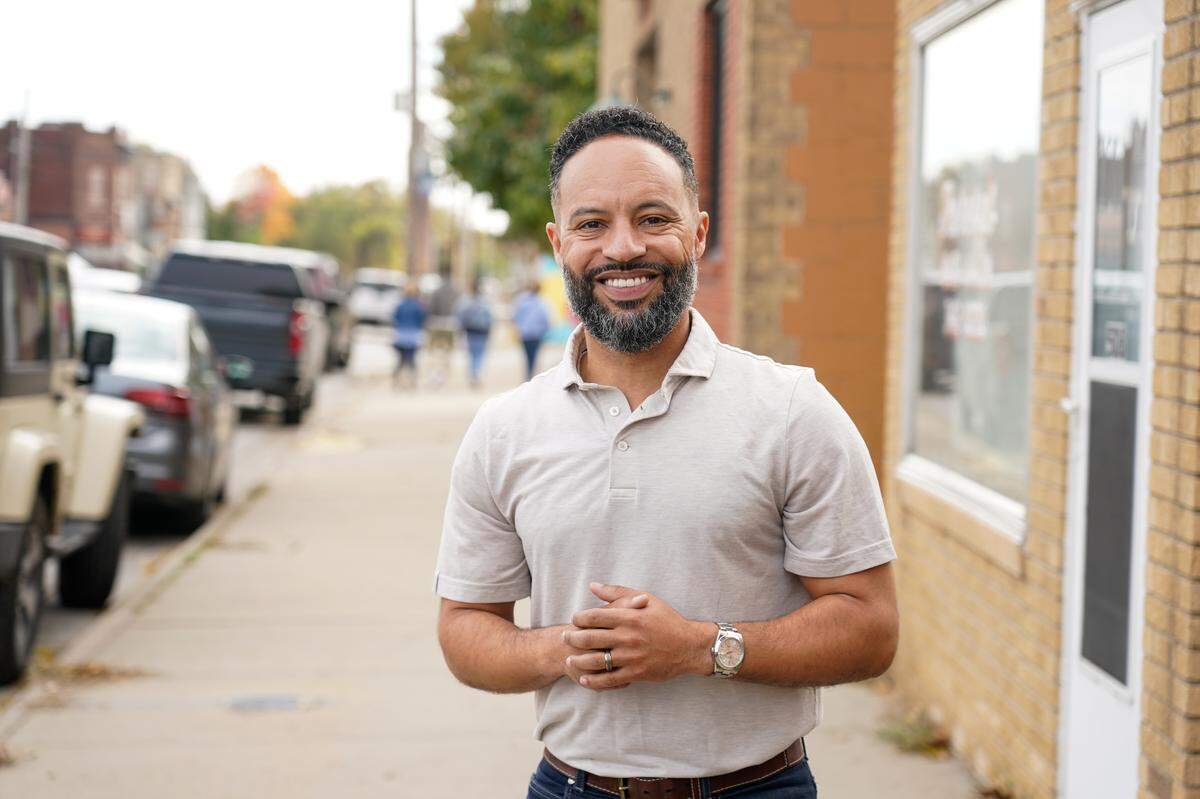
That “someone” could be a developer named Erik Murray of Eastside Innovation and Oak Impact Group, who stepped onto the scene about a year ago with promises to turn the site into a billion-dollar shopping complex with multi-purpose housing and green space — all fueled by its own solar grid.
But things have been slow-rolling since then.
More than a year after county commissioners gave Eastside Innovation the “OK” to bring the site back to life with its ambitious project, the group and local government haven’t locked down a development agreement needed to make it all happen. The parties also have a $5 million disagreement over how much the land should sell for.
Murray and his co-developer, Jonathan Arnold of Arnold Development Group, say they’re confident they’ll get the money they need to finance the project and figure out an agreement with the local government before next summer, when they aim to break ground.
Their promised project, named Midtown Station, would include almost 2,000 apartments, retail space, a grocery store, town homes, a solar micro grid to produce electricity, a hotel, single-family homes, greenhouses and a 30,000 square-foot innovation campus.
The development would sit near an area transit center off which Eastside wants to establish a hub connecting people throughout Wyandotte and into Johnson County.
Indian Springs projects
Midtown Station is not the first project that’s been proposed on the site in the years since Indian Springs closed.
Since the Unified Government of Wyandotte County and KCK took over the property in 2007 through eminent domain, it’s tried, and struggled, to find someone to do something with it, sinking at least $27 million of public money to prepare it for redevelopment, said Chelsee Chism, the government’s economic development director.
Kansas City property firm Lane4 in 2017 tried turning part of the space into a flex-tech center that would have brought more than 300 jobs, but that fell through because of lacking support.
Then came Scavuzzo’s Food Service Company in 2019, pitching a “KC Foodie Park” on the site, which ultimately failed in the face of COVID-19 pandemic-era struggles.
So in 2022, and again in 2024, the Unified Government solicited project proposals from area developers and private investors to build something new on the site. They surveyed the public about what people would like to see, and public amenities like a pool or walking trails, outdoor dining and ground-floor retail proved popular.
Last November, they chose Murray’s project among a pool of three plans.
County Administrator Johnston told The Star at the time that the commission and developers would begin negotiations with a goal to have a deal drafted sometime early 2025.
Price of former KCK mall site
As 2026 approaches, the talks that need to happen for a deal to come through have stalled.
Both Murray and the Unified Government acknowledged they’ve reached an impasse over how much the land should sell for.
That’s been a key sticking point in getting a development agreement finalized, Chism said.
After having the property appraised, the Unified Government wants Murray and Arnold to buy it for about $6 million, Chism said, given that’s the value of that property, and the project itself will be costly.
Eastside, on the other hand, wants the deal that Scavuzzo’s had bargained for. Developers for that project had struck a deal with the Unified Government to buy the land for just over $1 million.
“This negotiation is ongoing and is taking longer than it should in part because the UG has moved the ball on us, especially relative to the last deal that they cut,” Murray said.
Murray, who also recently announced a U.S. Senate run, was last scheduled to update commissioners on the Midtown Station project in November, but he asked to reschedule, saying he wanted to wait until after newly elected local officials came into office.
Unified Government questions
But 8th District Commissioner Andrew Davis, who represents the area the development would be in, said land acquisition is the least of his concerns with the Midtown Station project.
He said he wants more information on how the project is being financed and Murray’s strategies to get the money he needs.
“We’ve been in this gray area for over a year,” he told The Star on Friday.
When Murray pitched the plan to officials in 2024, he told them the total project would cost $700 million. But that number has increased due to inflation, tariffs and increased costs for construction materials, he said, to about $1 billion.
The developers plan to break construction up into multiple phases, Murray said, starting next summer and stretching over the next decade.
The first phase would include 65,000 square-feet of retail space, more than 600 housing units and 30,000 square feet of gathering space — so essentially three buildings in a park. That’ll take between 36 and 48 months, or up to four years, to complete construction on, Arnold said.
Phase one alone would cost about $336 million, Murray said. Should all go according to plan, that would include $149 million in loans and $186 million from various sources, including investor, developer and federal tax credit equity. Eastside is not asking for Unified Government general funds to be allocated toward the project, he added.
Murray has said he’s received commitments from area financial institutions to secure 99% of the first phase’s financing.
“We have letters of commitment for the debt and equity portions of the project,” Murray said “And so we consider the project and the tools we are using to finance the project to not only be available and interested and within our control, but they are ready to go.”
Chism confirmed that the Unified Government had received those letters, but she characterized them as letters of support that were not legally binding and not the same as promising a loan.
Murray and the Unified Government declined to share those letters of commitment.
Although Eastside hasn’t put money into construction yet, pre-development costs have been hefty, Murray said. He declined to specify how much they’ve spent so far.
Vision for Midtown Station
If the developers get the pieces in place to pull off their plans, Midtown Station is poised to transform a longtime eyesore into a destination.
Arnold, Murray’s partner, specializes in building mixed-use developments that are energy-efficient, like the River Market’s Second and Delaware complex. He said he plans to model Midtown Station’s living spaces to be 75% more energy efficient than a typical apartment building.
Solar energy, produced on site, will be used to power the entire development, meaning people living within Midtown Station may see reduced utility costs, Murray said.
The buildings will also be constructed with concrete, meaning lower insurance premiums for the developers and more funding to go toward the overall project, Arnold said.
“These buildings are built and designed to last 200 plus years, and they have lower operating expenses,” he said. “And they’re creating the type of desirability and social connection that people are looking for today.”
That social interconnectedness will come from creating a fluid environment where people work, find education, live, shop and get entertainment within, the developers said.
Kevin McGinnis of the Keystone Innovation District, a nonprofit that connects educators, communities and entrepreneurs to create living and working environments that are collaborative, said having a communal ecosystem is key in developing economic growth within that space.
And, he added, spaces where people can accomplish all of these things within their neighborhoods are much needed in the Kansas side of the metro’s urban core.
Walkable neighborhoods are in high demand, Arnold said. People want to be able to walk to work or dinner and build a sense of community where they live. And, proximity to public transit can reduce residents’ transportation costs, he added.
“At the core of what we enjoy is having chance encounters, having health and wellness,” Arnold said.
And, there have to be enough people living in a given area to support the retail, coffee shops and restaurants in a neighborhood, he said.
Wyandotte has been aching for more housing that people can actually afford, public officials have said for years.
Eastside wants to be among the numerous local developers who are trying to deliver on that demand.
About 40% of the first 641 housing units built will be reserved for people who fall within 60% of the area median income, he said. The county’s median income was about $60,582, according to 2023 data from the Mid-America Regional Council.
Overall, housing will fall between 30% and 60% of that median income, 70-80% of it or at market-rate value to create an area with residents from mixed incomes.
That information, and more, will be presented during an upcoming public meeting to update commissioners on the project, Murray said.