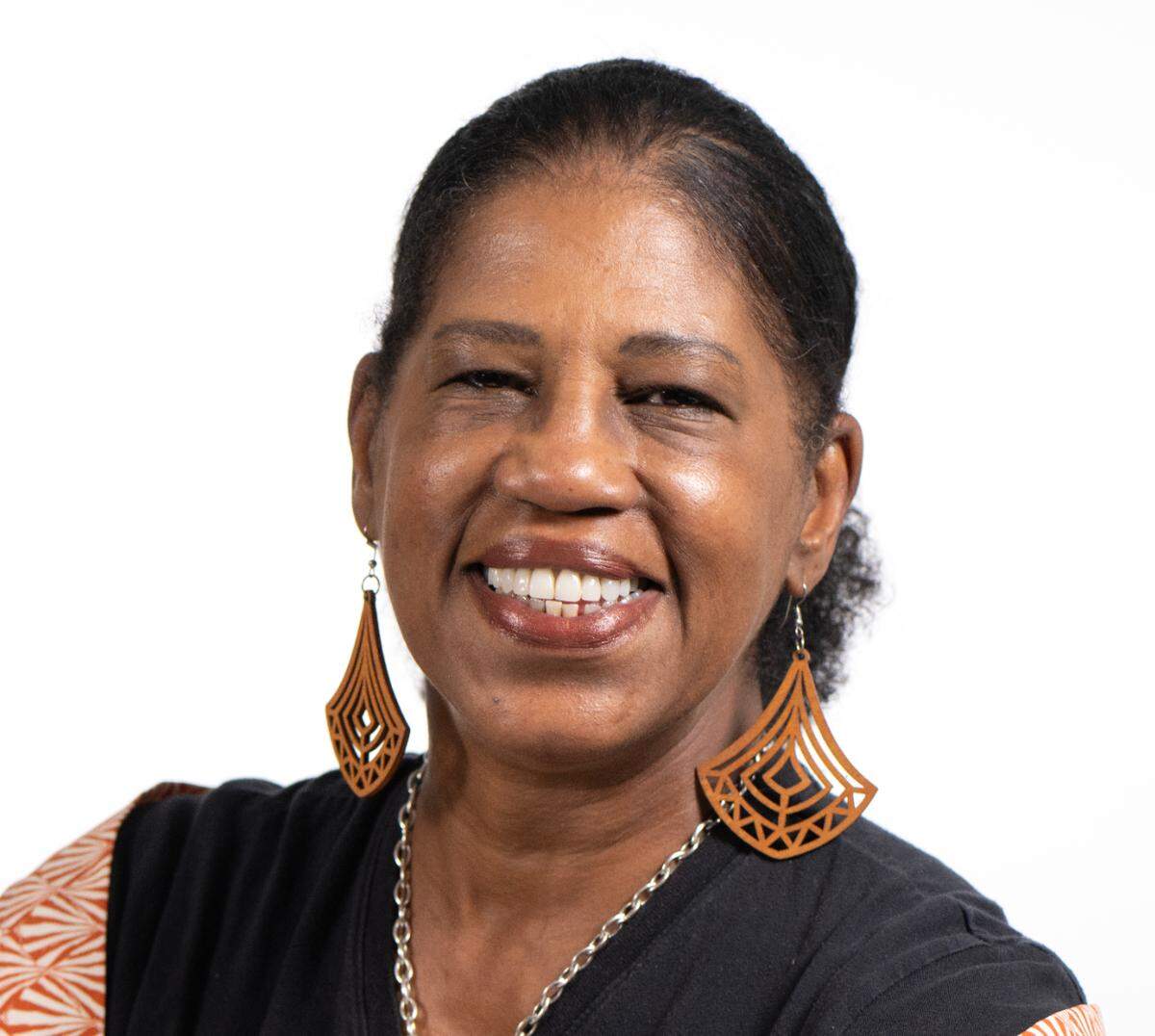
She was raped in her UMKC dorm room. Now she fights for more protections for others
Skyler Boschen was drunk, “blackout drunk,” she says.
As a University of Missouri-Kansas City freshman, Boschen was hosting a party in her dorm room last January, with people she thought were friends. They were having a good time — until things turned ugly.
Another student raped Boschen in front of witnesses who didn’t stop him but instead left him in the room to repeat the violent act five times, Boschen says.
Two days later, Boschen reported the rape to the university’s Title IX office. She only this month got up the nerve to report it to UMKC Police.
For weeks after telling the university, “I got an extreme amount of backlash from people who were friends with the person who raped me,” Boschen said. “Many people in the dorm felt I was lying. I was shunned, stared at and called horrible names because of the rumors that were started about me.”
Boschen hadn’t had classes on campus since COVID-19 hit in March. She returned this past week for spring semester and has planned a sexual assault awareness rally to be held in front of UMKC’s Oak Street Residence Hall at 1 p.m. Monday, Jan. 25, the one-year anniversary of her rape.
Those who attend are encouraged to wear all white. They will dip their hands in paint and then touch their clothing to symbolize the long-lasting effects of having been touched, violated, assaulted, Boschen said.
“I want this demonstration to be against victim blaming and to bring about a change in culture and policy at UMKC,” Boschen said.
Boschen, who is from Overland Park, now lives off campus in a Kansas City apartment. “I don’t feel safe living in the dorm,” she said.
Boschen said that when she reported the rape, Title IX officials “were very helpful, they listened” and investigated. “But I did not get enough protection from the university. I was able to get extensions on my classwork, but I didn’t get anyone to walk me to and from classes. I didn’t have anyone to help me navigate through being a victim. I would have liked to have had an advocate.”
Boschen said she saw the person who raped her ”everywhere I went. My rapist lived in my dorm one floor down from me.” When she complained to the university, “they asked if I wanted to move out,” Boschen said. “But I don’t think the victim should have to change where they live, so I stayed in my room for a month” while Title IX investigated.
University officials said the details about how to file a sexual assault complaint are outlined in the university’s Collected Rules and Regulations, which are accessible online. And, they said, UMKC does have protections for sexual assault victims.
The university will assist victims in contacting campus services such as counseling, academic support and medical aid, said Stacy Downs, a university spokeswoman.
She said UMKC also provides campus escorts and will order the victim and the accused not to have contact with each other. The school will alter on-campus housing and dining arrangements and more. But to preserve due process rights, students accused of rape are not forced to change their housing unless an investigation finds they did violate university policy regarding sexual assault, Downs said.
The university’s Resources, Intervention, Support and Education office “provides confidential advocacy and support to all victims within our campus community (students and employees),” Downs said in an email.
.jpg "IMG_5398 (1).jpg")
Boschen said she still believes more can be done. “You are just so overwhelmed when something like that happens. You need someone to guide you every step of the way and to protect you. I didn’t know where to go or what to do, and people were harassing me. “
And she said the university should do more to educate students about sexual assault and inform them about the incidents on campus.
Prevention experts reported in 2020 that 13% of all college students experience rape or sexual assault through physical force, violence or incapacitation. The rate is highest among undergraduate students, with women most often the victims.
UMKC officials said there were two rapes reported on campus in 2019, “but none were investigated because students chose not to pursue,” Downs said.
In 2020, Boschen’s was the only student rape reported and investigated at UMKC.
National experts say that rapes are often not reported. Victims are more likely to report to a university’s Title IX office than to police because they don’t want to go through the scrutiny of a police investigation. According to the Rape, Abuse and Incest National Network, only 23% of rapes are reported to police.
And women’s advocacy groups have said that in recent years the number of sexual assaults reported to campus officials has declined because of an attitude of skepticism toward survivors passed down from the Department of Education under the leadership of Betsy DeVos over the past four years.
The UMKC Title IX office, using a “preponderance of evidence” standard, concluded that “it was more likely than not” that Boschen had been raped and that the student she accused should have known she was incapacitated at the time.
As punishment for “sexual misconduct in the form of non-consensual sexual intercourse,” a violation of university rules, he was temporarily suspended from the university — from June 15, 2020 until Dec. 15, 2021.