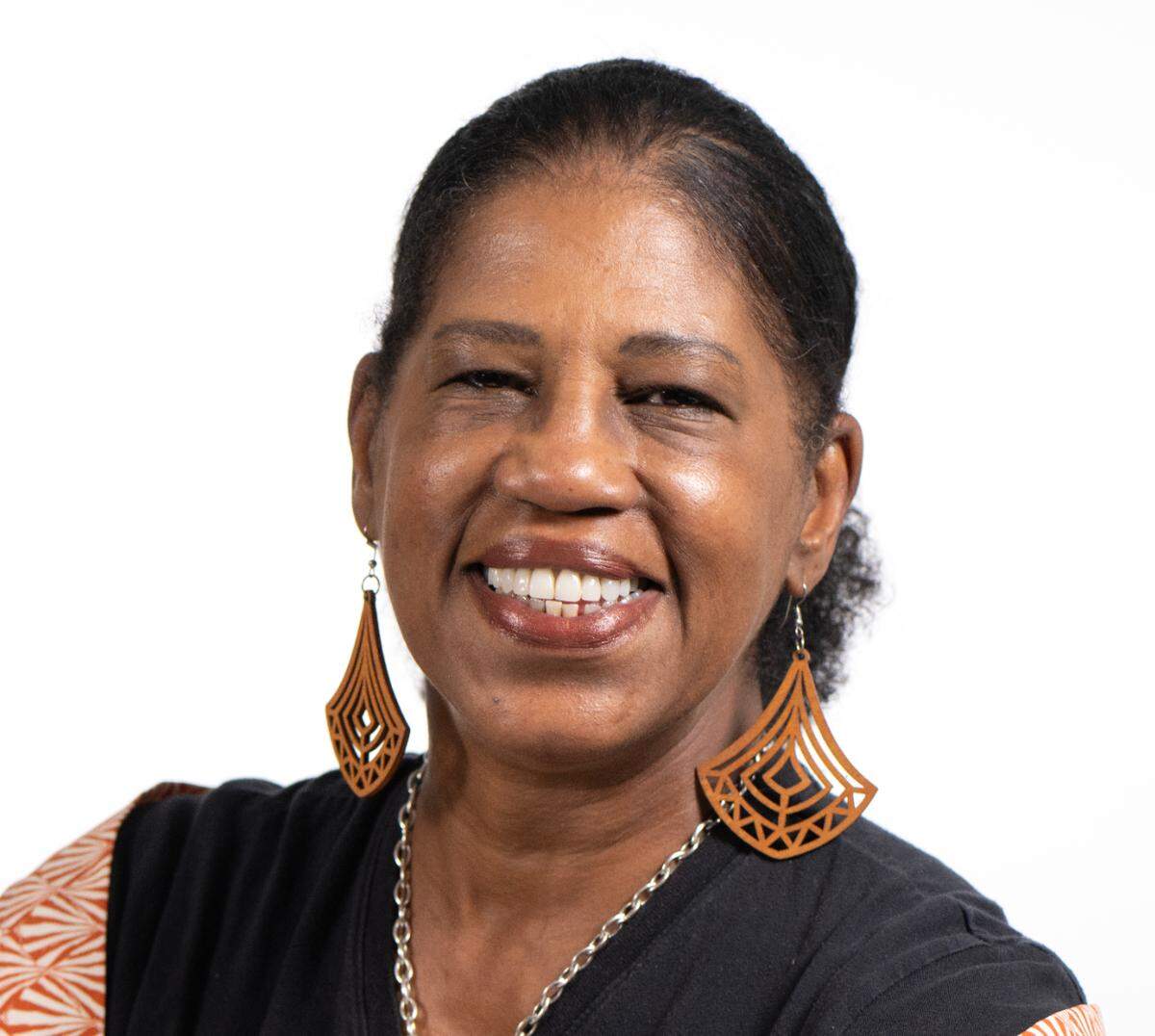
Jay Jackson, deemed ‘the Missouri City miracle’ for his desegregation work, has died
Jay Jackson, the only school superintendent outside of Kansas City to accept Black students in his tiny school district during desegregation, has died. He was 70 years old.
Jackson was the longtime superintendent of Missouri City School District, the smallest district in the state.
As part of the federal desegregation program from 1990 to 2002, his district voluntarily enrolled Black students transferred from Kansas City Public Schools. He was the only superintendent outside of Kansas City to accept Black students transferring into his southeast Clay County district, according to Arthur Benson, the Kansas City attorney who represented the students in the 1978 precedent-setting desegregation case,
His work in the Missouri City School was deemed by The New York Times in 1987 as “the Missouri City Miracle.”
Former Secretary of Education William Bennett even visited the district that year.
The Times wrote at the time: “Secretary Bennett took time then to note that parents like those at Missouri City Elementary, who had given generously of time and taxes in search of excellence, could help even the smallest of schools become ‘one where children succeed.’ Today, Mr. Bennett included in his accolades for what he called ‘the Missouri City miracle’ the school’s hard-driving superintendent-principal, Jay Jackson.”
The secretary, according to the article, said that a good school needs, “’first of all a good principal’ who enjoys ‘‘the respect and affection of the staff‘ as, he noted, Mr. Jackson does.”
Benson said Jackson welcomed Black students — and ensured they felt welcomed, too.
“Jay was a warm and loving school guy and he made sure his small all-white community welcomed the Black kids into their district and he made sure that their individual educational needs were met without in the slightest seeming to treat them differently than the resident kids were treated,” Benson said.
Jackson was also an accomplished historian. He created his own museum of Missouri City and worked on a documentary about the Battle of Blue Mills Landing —also known as the Battle of Liberty. Another big dream fulfilled: The placement of a historical marker for the battle.
He wrote detailed historical accounts and when creating costumes for Civil War reenactments, even researched the specific color of the coats, said Eric Langhorst, an eighth grade U.S. history teacher who worked on projects with Jackson. Langhorst, who teaches at Discovery Middle School in Liberty, said Jackson was the key authority on the Battle of Liberty.
“He just wanted people to be able to understand the history of what came before us locally,” Langhorst said.
A Civil War reenactor with The Holmes Brigade, Jackson often portrayed Gov. Claiborne Fox Jackson.
At the Clay County Museum, friend Tony Meyers remembered, Jackson had a group of students “spellbound” while he shared history stories.
“He communicated in a way that kept their interest and at a level that enabled them to learn,” Meyers said over email. “Jay was truly a passionate and masterful educator.”
Once, Meyers said, Jackson talked him into dressing as an outlaw to reenact a Frank James robbery.
“He was a person who you just wanted to be around,” Meyers said. “When Jay came into a room, the level of energy was immediately higher, more positive and more joyful.”
And he always connected with people in a way that made them feel good, Meyers said.
Ann Sutherland, Clay County Museum board president, said Jackson was a perfectionist when it came to projects: Details were everything.
While working on the Battle of Liberty project with him, Sutherland said, she woke up to more than 40 emails from Jackson with corrections to exhibit labels. He later called and apologized, but also shared a piece of advice: “Leave out the adjectives when writing about history. Tell the truth, tell the story the way it was meant to be told.”
Jackson loved history and loved telling stories about his ancestors on either side of the Civil War, Meyers said.
His willingness to share his knowledge means those stories won’t be lost, Langhorst said.
Benson said he did not know much about Jackson’s career following the desegregation.
“But unless it was contra this brave and courageous contribution to racial justice — at a time when without exception every other Missouri suburban school district was acquiescing to the racial bigotry of their patrons — it seems to me that this is the kind of life lived,” Benson said, “and in these times, that merits a least some small recognition when it ends.”
This story was originally published October 27, 2020 at 6:33 PM.