Defense in high-profile KC shooting seeks to keep Ralph Yarl from being called ‘victim’
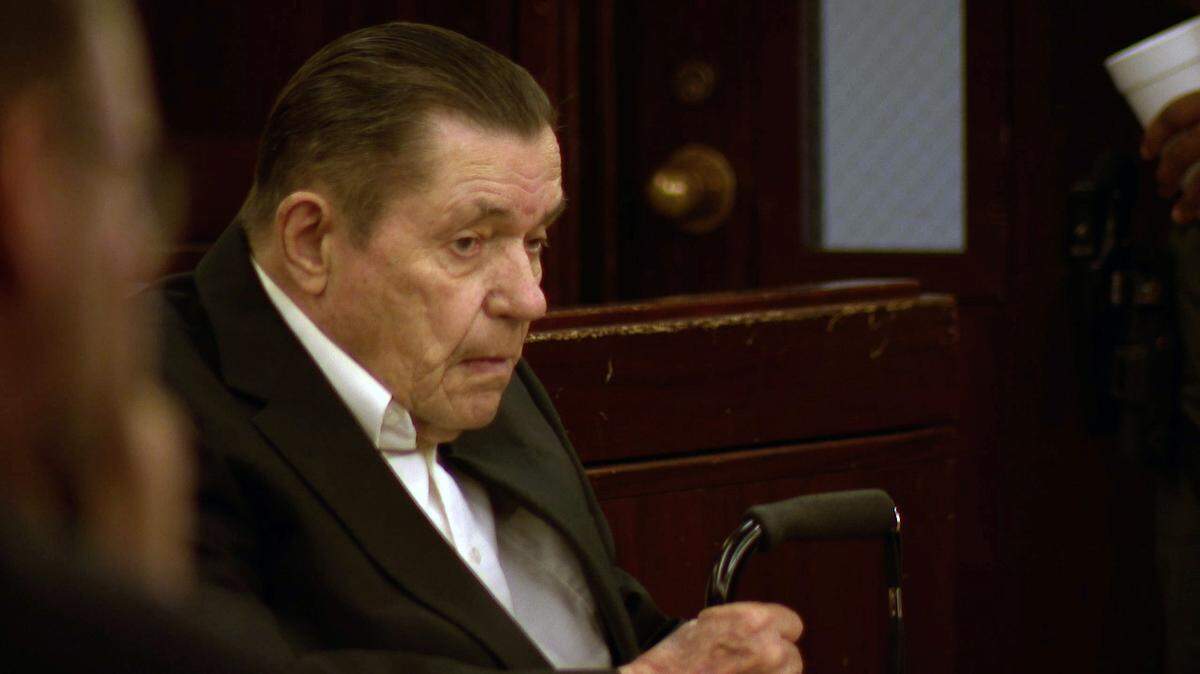
The attorney for Andrew Lester is seeking to prevent Ralph Yarl from being called a “victim” during Lester’s upcoming trial in the high-profile shooting in Kansas City’s Northland in 2023.
In a motion filed last week, Lester’s attorney, Steven Salmon, requested that Clay County prosecutors and the judge hearing the case stop referring to Yarl as a victim, claiming it is inappropriate.
“It violates the accused’s presumption of innocence,” Salmon contends, saying that has been recognized as the defendant’s right since the inception of the judicial system.
Lester, who is white, faces first-degree assault and armed criminal action charges in the shooting of Yarl, who is Black, after the teen mistakenly went to the wrong home in Kansas City’s Northland to pick up his brothers in April 2023.
After Yarl rang the doorbell, Lester allegedly went to the door and fired at Yarl, striking him once in the head and once in the arm. Lester told police he feared for his safety when he saw the 16-year-old.
The shooting garnered widespread attention and prompted national outrage, with many raising outcry over claims the shooting was racially motivated.
Salmon contends that by using the term victim, prosecutors and the court are telling the jury that it has already been proven someone was injured, and that person was a victim, which is a key part of the crime being charged.
Lester will be claiming self-defense under Missouri’s Castle Doctrine, or “Stand Your Ground” law, when he fired at Yarl. Salmon contends that if the jury finds in Lester’s favor, then Yarl would not be a victim.
“The jury’s job is to determine the facts of the case and from facts whether there is a ‘victim,’” Salmon argued in the motion. “There cannot be a ‘victim’ unless the jury determines that there was a crime or a wrong committed.”
Such requests not unusual
Defense attorneys make requests like this fairly often to ensure their clients get a fair trial, said Steve Leben, a law professor at the University of Missouri-Kansas City School of Law and a former judge on the Johnson County District Court and Kansas Court of Appeals.
In most cases, where the issue is not whether a crime occurred and whether there is — in fact — a victim, it doesn’t make sense not to use that word, Leben said. It’s an ordinary word most people use, he added.
“When the key issue in the case is whether a crime occurred at all though, sometimes judges conclude using the term ‘victim’ might signal to the jury that the judge has already decided which way the case should come out,” Leben said.
Leben referenced the Kyle Rittenhouse case, where he was charged in shooting three people, killing two, during protests in Kenosha, Wisconsin, in August 2020. The case drew national attention and sparked debates over gun rights, self-defense laws and racial justice.
Before trial, the presiding judge barred the prosecution from referring to the three people Rittenhouse shot as “victims,” Leben said. The judge further ruled that his attorneys could present evidence about the victims’ activities, including whether they might be characterized as looting or rioting.
“So in that case, the question was: Was Rittenhouse acting in self-defense or the defense of others?” Leben said. “So the real question was: Had a crime been committed?”
With Lester claiming he had a right to shoot someone in self-defense, this sort of motion makes more sense, Leben said.
“It’s still a discretionary matter for the trial judge and the question really is whether the term ‘victim’ is so normal to use that it really doesn’t imply any pre-judgment,” Leben said.
In this case, it’s hard not to consider a teen who was shot in the head a victim, Leben said. The judge could instruct the jury in a way that makes clear that they still have to figure out where Lester’s actions qualify as self-defense.
However, Leben said the word “victim” could contradict the presumption of innocence. It will be up to the judge to determine whether the jury will be confused.
“In this trial with self-defense as the key claim by the defense, the jury is going to be focused on whether the elements for self-defense are met,” Leben said. “They are not going to decide the case simply by whether the term ‘victim’ is used.”
Lester’s jury trial is set for Feb. 24. He is expected to return to court on Jan. 24 for a pre-trial conference.