Kansas City mayor’s plan to fight fentanyl: ‘Overdose investigators’ & review board
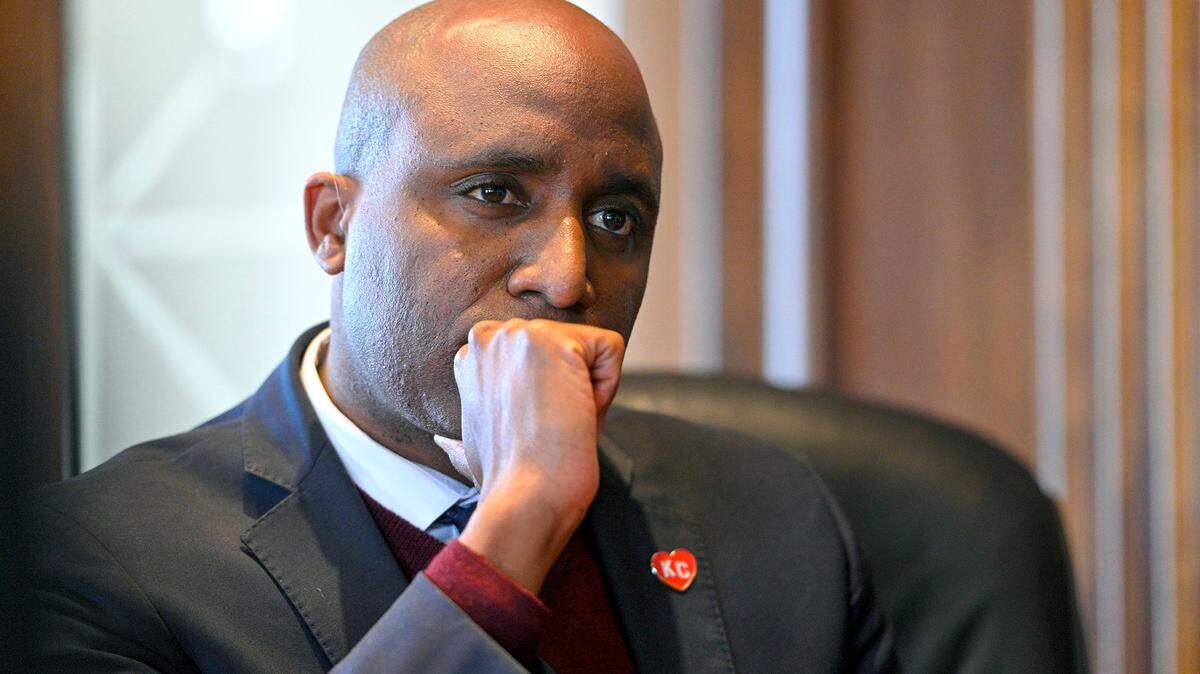
As fentanyl continues to kill people throughout the region, Kansas City Mayor Quinton Lucas wants to hire two “overdose investigators” similar to what his administration did during COVID.
These investigators would attempt to determine — in real time — how people who overdose obtained the synthetic opioids and from whom, all in an effort to reduce deaths, Lucas said. The mayor’s proposal also would create an overdose fatality review board to analyze timely data to more quickly understand the devastation fentanyl is causing in the community. Right now, data can be up to 2 years old.
Fentanyl deaths between 2017 and 2021 increased by 938% in Kansas City, Lucas said, rising from seven to 72.
“We need better data to know where the crisis is,” Lucas said in an interview with The Star on Tuesday. “I hear the numbers of homicides almost every day, you learn about other public health crises. You really don’t, I think, hear enough about fentanyl.
“It is in many ways the central issue challenging Kansas City right now.”
In the past month, The Star has published an ongoing investigation of the toll fentanyl has taken, revealing that more than 850 people in the nine-county region have died from the drug since 2018. Of that number, roughly 360 died in Jackson County, according to information provided by the medical examiner’s office in an open records request.
Dozens of families told The Star that area authorities — and the general public — don’t take what has become the country’s latest drug epidemic seriously enough.
Lucas’ proposal would require that all fatal or nonfatal overdoses in the counties that are part of Kansas City be reported to the health department within one calendar day. The measure, which is an amendment to an existing ordinance addressing other public health reporting, could be voted on by the City Council as early as Thursday.
So many of those who have died in the Kansas City area didn’t know they were taking fentanyl. Sometimes they thought it was a pain pill or anti-anxiety medication. Other times, drugs such as heroin, meth or cocaine were believed to be laced with the powerful synthetic opioid.
“It’s a drug that everybody needs to be aware of,” said Lindsey Haldiman, Jackson County medical examiner, who has seen deaths from fentanyl skyrocket in the past few years. “It’s so potent, that it takes very little to kill someone.
“It’s just a lot of lost life that could be prevented.”
Haldiman said that last year, “I was like, ‘This is insane how many cases that we’re getting.’ In 2021 … it started to be on the radar. In 2022, it just blew up.
“I would say absolutely it’s at a crisis level.”
The overdose review board would consist of at least five members and no more than nine, all appointed by Lucas. According to the proposal, it may include representatives from addiction treatment programs, health institutions, the Department of Health, offices of local medical examiners, emergency medical services providers or experts, mental health practitioners and law enforcement.
Sara Manser, whose son died from fentanyl three years ago in Kansas City, said she’s encouraged by what Lucas is trying to do. She said several states have increased monitoring of overdose data, which has allowed them to quickly alert the public of spikes.
Manser, though, hopes Lucas and other officials consider adding one more position to the overdose review board.
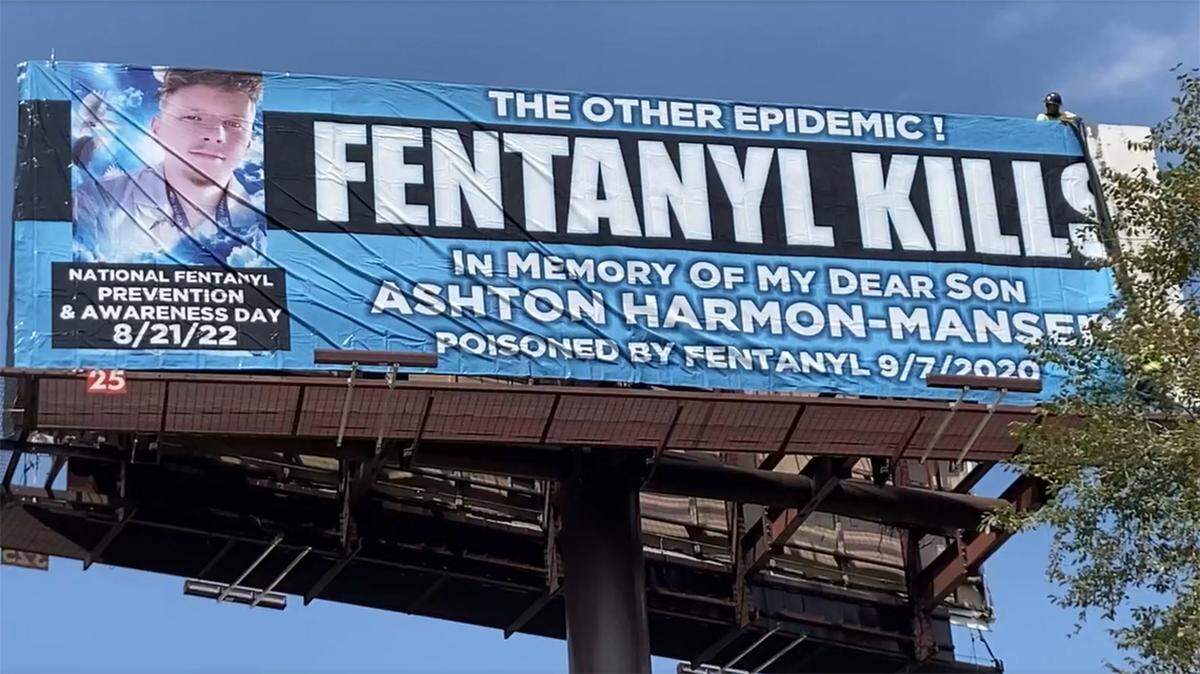
“I believe the board, to make it as effective as deserved, should have a family member or someone affected by this real-life experience that is tearing our communities apart,” said Manser, whose son, Ashton Harmon-Manser, was 22 when he died. “We as bereaved families have been the face of investigation into our own child’s/loved one’s death.”
During COVID, Kansas City had what were called “disease detectives,” Lucas said. He sees the Health Department overdose investigators operating in a similar way.
“It would be people that are not law enforcement, but who are looking to see, ‘Where did the fentanyl, whether it be in pill form or what have you, where did it come from?’” Lucas said. “‘Where is it spreading? How much experience do the users who overdose … have with this narcotic? Was it one time or was it others?’
“Really trying to use the epidemiological approach to tracking down the fentanyl crisis.”
This story was originally published November 8, 2023 at 8:44 AM.