Instead of treating hazardous waste, Johnson County firm dumped it in sewer, feds say
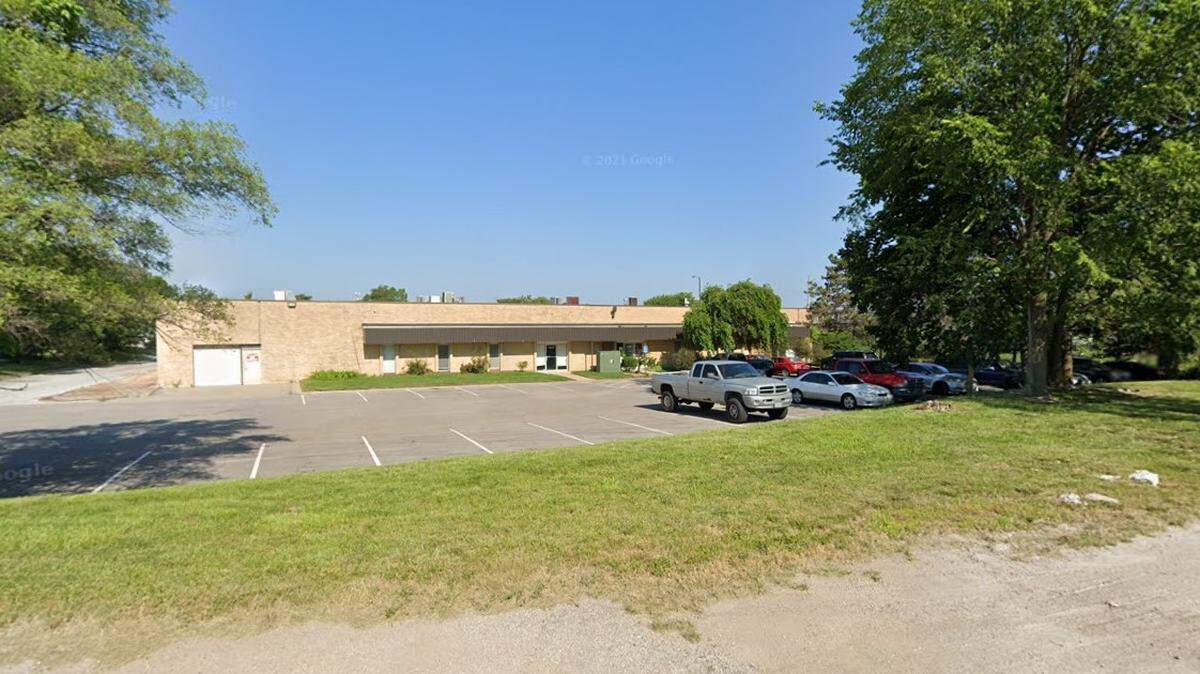
Another employee of a Lenexa manufacturing company is accused of dumping hazardous materials into the Johnson County sewer system in violation of the federal Clean Water Act.
A complaint filed Tuesday in the U.S. District of Kansas alleges Disposable Instrument Co. bypassed a treatment system for wastewater disposal, sending hazardous waste into the sewer as early as 2016. It accuses Bradley Bruss, the plant manager since 1990, of a criminal offense for violating the law.
The company’s president, Brian Chansky, faced the same accusation in a complaint filed last year. In February, he was sentenced to two years’ probation, 50 hours of community service, and was fined $50,000, according to court records.
Chansky and Bruss were not immediately available for comment Thursday.
A spokeswoman with the U.S. Attorney’s Office in Kansas declined to comment on the pending litigation, saying an initial hearing for Bruss had yet to be scheduled.
Disposable Instrument Co., founded in 1970, manufactures medical and surgical instruments through a process that uses heavy metals. Federal prosecutors say the process includes medical parts being washed with acid and another chemical.
The company was supposed to put water used in the manufacturing process through a three-sectioned tank that included filters and other chemicals before going into the sewer.
According to last year’s criminal complaint, a whistleblower alerted Chansky in August 2018 that employees were bypassing the treatment process and dumping waste.
The Environmental Protection Agency investigated by installing devices in manholes to measure the pH level of water flowing to and from the facility. An EPA lab in Denver analyzed data that showed the company was exceeding its allotted wastewater discharge limit on 10 of the 39 days that the devices were there, court records say.
Prosecutors also say the company reduced the amount of hazardous material waste that was shipped away while doing the same amount of business.
As plant manager, Bruss was involved in all aspects of the manufacturing process and reported directly to Chansky, according to the new criminal complaint.
“By bypassing the pretreatment process and dumping hazardous material into the DIC dumpster and the Johnson County sewer system, the company saved money and resources that would have been devoted to proper disposal practices,” the complaint says.
Under federal law, Bruss faces a maximum penalty of three years in prison, followed by one year of supervised release, along with a $50,000 per-day fine.
Includes reporting by The Star’s Bill Lukitsch.
This story was originally published July 27, 2023 at 12:08 PM.