If records are closed in Ralph Yarl case, public has right to know why, prosecutors say
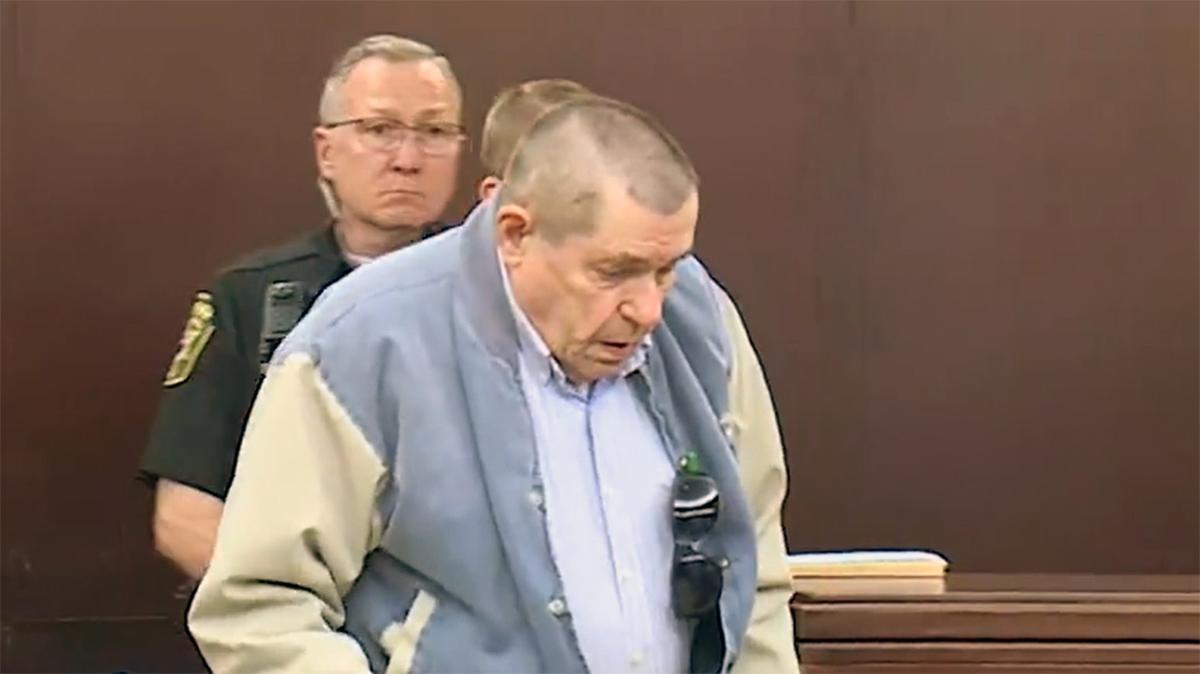
If records are closed in the criminal case of Andrew Lester, the white Kansas City homeowner who is accused of shooting Ralph Yarl, a Black teenager who rang the wrong doorbell, the public has a right to know why, Clay County prosecutors say.
Prosecutor Zachary Thompson made the argument in a court filing Tuesday after Lester’s attorney sought a protective order asking a judge to prevent additional case information from being shared publicly.
Thompson did not oppose Lester’s request, but said legal precedent had established “a strong presumption in favor of the public’s right to access.”
“In cases such as this, the Court must strike a balance between the public’s legitimate interest in access, and the equally legitimate interest in preserving the legal integrity of the case and ensuring a fair trial,” Thompson wrote. “If justice is to be served, it must be done in a manner consistent with both due process and public interest.”
Lester, 84, was charged with first-degree assault and armed criminal action after he allegedly shot Yarl twice — including once in the head — when Yarl, 16, accidentally went to the wrong Northland house on the night of April 13 while trying to pick up his brothers.
The shooting of Yarl, who was hospitalized for three days, sparked a national conversation about racism and gun rights. Civil rights activists and politicians, including prominent Black leaders in Kansas City, have pointed to the case as an example of how racial biases, whether implicit or explicit, can be fatal for Black Americans.
Lester’s attorney, Steven Salmon, asked that case information not be made publicly available unless Lester is convicted. Salmon said dissemination of more information would be harmful to Lester while the case is “active and ongoing.”
“This publicity in this case has already caused a widespread adverse and prejudicial reaction against the defendant and prejudice to his case,” Salmon wrote, later adding that more information will “continue to fuel speculation and taint” Lester’s ability to get a fair trial.
Lester admitted he opened fire “within a few seconds” of seeing Yarl at his door, but said he feared for his safety. Yarl told detectives he rang the doorbell, waited and was shot “immediately.” Thompson, the prosecutor, has said there was a “racial component” to the shooting, but has not elaborated.
Lester has pleaded not guilty to the charges. His attorney has signaled in court filings that he will rely in part on self-defense laws, including those commonly known as Stand Your Ground and The Castle Doctrine.
The judge has not ruled on whether the records should be closed. Lester’s next hearing is set for June 1.
This story was originally published May 17, 2023 at 10:36 AM.