Clergy leaders address concern about racism within Kansas City Police Department
A group of clergy Tuesday voiced concern about racism within the Kansas City Police Department, but said they believed leaders were committed to eliminating discrimination from the force.
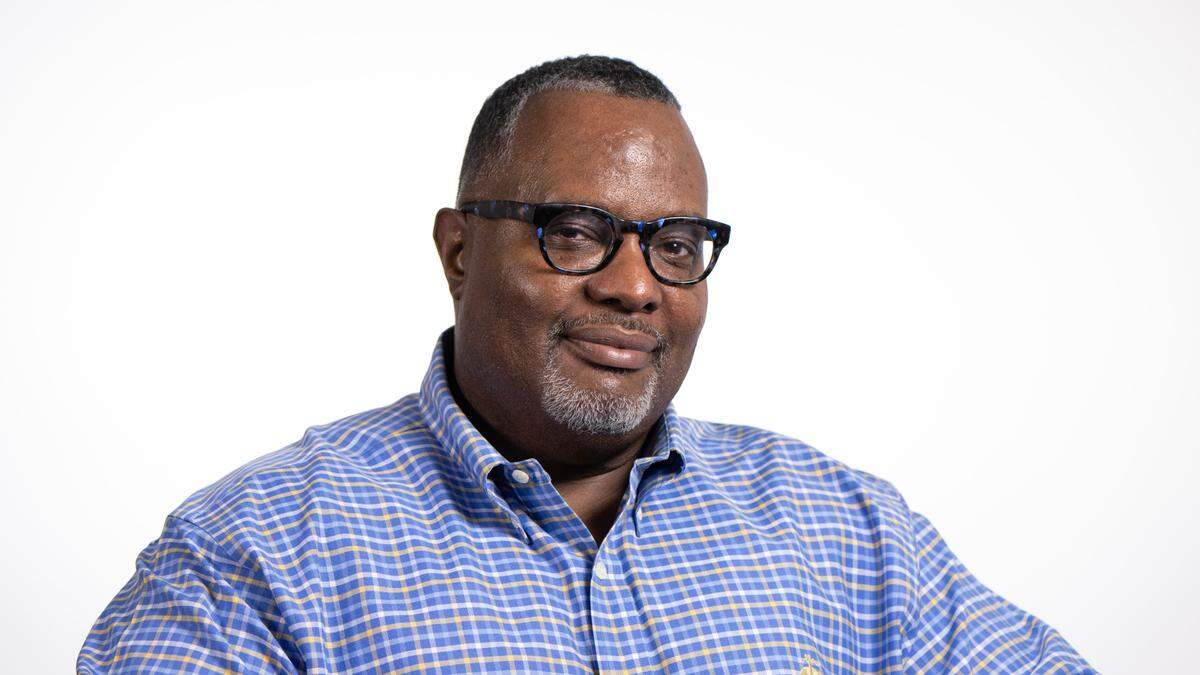
“Systemic racism can be intentional as much as unintentional,” the Rev. Darron Edwards told members of the Board of Police Commissioners.
Edwards, who leads Getting to the Heart of Matter, an effort between clergy and police aimed at reducing violence and fostering better relations, said there are police department policies and procedures that “unintentionally cause harm to people and groups, particularly Black and brown people.”
The group met last week with Police Chief Rick Smith, several police board members and the leadership of the Kansas City Fraternal Order of Police, Lodge 99. Several Black police officers who attended the session said there is a culture of racism and discrimination that has existed for decades inside the police department.
During the session, clergy and police leaders discussed historical data, current practices and ways to improve community relations, Edwards said. He described the meeting as “very honest and productive.”
“While there is much work to do, it is our belief that the group is committed to have the difficult discussion and work to create standards that eliminate discrimination within the force, over policing in minority communities and transparent response to citizen complaints,” Edwards said in a statement that was shared by the police department Tuesday morning.
In response to Edwards’ comments, Smith said he is willing to allow the group to review police policies. He noted that most of the department’s policies are posted online and that he would welcome a sit down with anyone who wants to assess them.
When he met with the clergy leaders, Smith told board members Tuesday morning, they asked if they could look at policies to see if there is intentional or unintentional racism “in anything we put out to our members.”
“And I said, ‘Absolutely,’” Smith said of a review, later adding: “We didn’t turn away from any discussion.”
Some board members acknowledged the problems Edwards discussed but did not directly address or challenge his comments. Board president Don Wagner said he and other members were willing to engage in ongoing dialogue with clergy.
Commissioner Nathan Garrett thanked Edwards for his work and said there are people who only seek to further divide the police department and the communities its officers serve.
“There’s politics and there’s problem solving,” Garrett said. “And there are groups in this community, some of whom are shouting the loudest, that have no interest — no interest — in actually solving problems.”
In recent weeks, the clergy group has held meetings with police and organized community events to enhance relations.
Gwen Grant, president and CEO of the Urban League of Greater Kansas City, said Tuesday that she does not think the police department’s current leadership could guide it “out of the depths of systemic racism” and discrimination and into the light of “transparency, accountability and equal justice under the law.”
“There are times when new leadership is required to guide the organization through a new season of growth. Now we are on the precipice of racial reckoning and a sea change in policing and criminal justice,” Grant said. “Quite frankly, Chief Smith does not possess the ability to lead at this level, nor does he have the capacity to build widespread community trust and confidence.”
On Friday, a group of activist and civil rights organizations, including Grant, renewed demands for the removal of Smith as police chief. Since June, social justice advocates have said Smith has failed to hold officers accountable, reduce crime and build community trust.
The police department has repeatedly said Smith has no plans to step down. The department has also said it has implemented a number of reforms over the past year in response to public demand, including issuing body cameras to all uniformed officers.
Sheryl Ferguson, a community activist who frequently attends police board meetings, said she agreed with Edwards’ concerns and described some of the department’s policies and procedures as “very archaic.”
“They were specifically put in line to make sure that there are certain people that wouldn’t be held accountable,” she said.
This story was originally published April 27, 2021 at 1:33 PM.