
Kansas man wrongfully imprisoned 15 years. New book examines how justice went awry
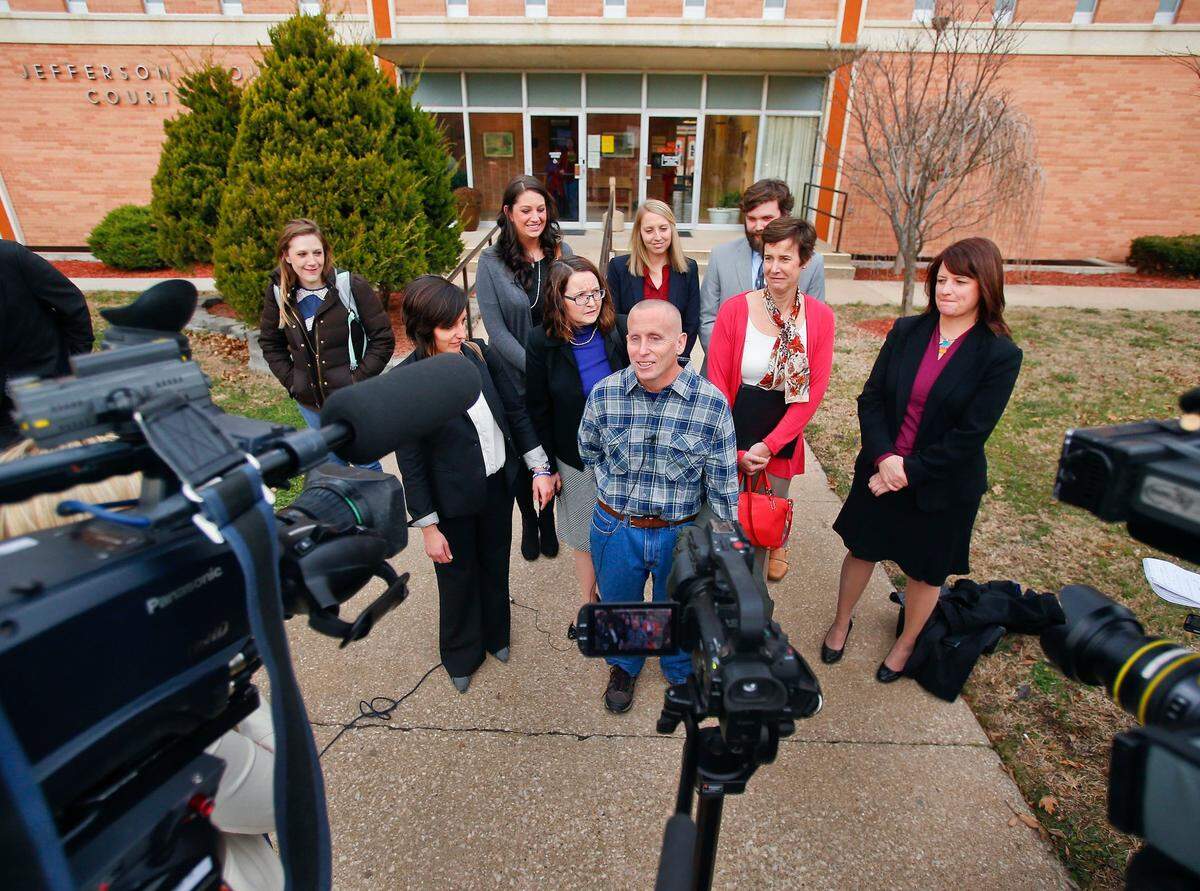
Floyd Bledsoe spent more than 15 years behind bars for the 1999 kidnapping and murder of Camille Arfmann in Oskaloosa, north of Lawrence — crimes his brother Tom committed and framed him for. This is an excerpt from Chapter 3 of “Four Shots in Oskie,” a new book about the case. It published March 30.
After attending church on the morning of Nov. 7, 1999, Tom Bledsoe helped his parents unload machinery before going to an evening service at Countryside Baptist Church. His friend Jim Bolinger presided and asked the congregation to pray for 14-year-old Camille Arfmann, who had gone missing days before. The pastor also noticed something unusual about Tom: he was uptight. “I knew something was the matter with him because I just know Tom.”
After the evening service, Bolinger was talking with a few people, including Tom, when he made an off-hand remark about Camille. “He made a comment that if he knew where Camille was he’d go get her, bring her home, and he said, ‘Right, Tom?’ Using me as an example,” Tom later recalled.
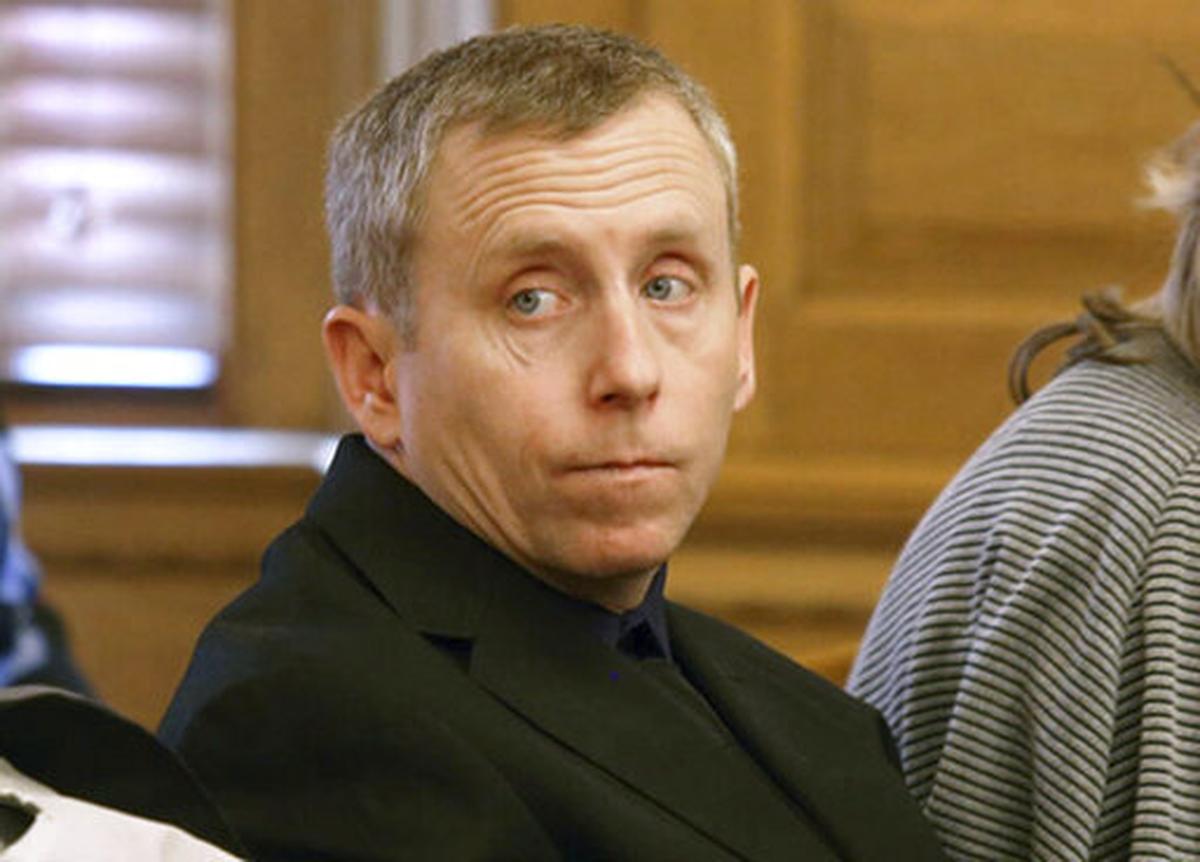
It was all he could take. Either fearful those around him knew his secret or overcome with remorse for what he had done, Tom drove to the Jefferson County Sheriff’s Department intent on turning himself in to police for the murder of Camille. After parking his truck at headquarters, he sat inside and dialed Bolinger’s number on his cell phone. When the pastor didn’t answer, he left a voicemail message at 8:55 p.m.
“Hi, Jim. This is Tom. I wanted you to be the first to know. I know I lied to you. I know where Camille is. When you get this message, I’m going to turn myself in to the police. I wish I never did it. I hurt the church, I hurt God. Most of all, I let everyone down. All I can say is I’m sorry. I’ll pay for the rest of my life for what I’ve done. All I can ask is for the church to remain strong. Please forgive me. As a favor, please remember my mom and dad. Help them when they go through, help with the pain I’m about to — thank you, Jim. Sorry. Goodbye.”
Next, Tom called his parents’ house and spoke to them both.
“He said he knew — knew something about her body,” his father, Floyd Bledsoe Sr., recalled, “and he was going to go, he was going to go into the sheriff’s office and tell them. I told him I didn’t want to hear nothing else about it. I said just wait there, I’ll get a lawyer, then you and your lawyer can go in and do whatever, because I didn’t know whether he just found it or what.”
As he waited for a lawyer to arrive, Tom called Bolinger’s number again, getting the answering machine for a second time at 9:01 p.m. His voice was quavering.
“Hi, Jim. Me again, Tom. Please help me and my dad. Please help my mom and dad through this. Right now, they’re disappointed. I know that the church will be, too. All I can ask, forgive me for what I have done, and I will pay for the rest of my life. I wanted to tell you in front of the church, but I didn’t have enough guts. I’m sorry. I don’t know what went through my mind. Right now, you’re probably pretty shocked. I wish I could turn the clock back, but I can’t. I made my choice. I wish I didn’t. I’m sorry. Bye.”
Bolinger called the home phone of a longtime friend, Captain Orin Turner at the sheriff’s department. Turner could hear the stress in his voice as he asked the captain if a girl was missing. Turner, who had been on limited duty that weekend, did not know. Bolinger explained that a girl was missing and a member of his congregation may know where she is. Turner told him to preserve the answering machine tape and to call the sheriff’s office.
Tom, meanwhile, met his mother and father at the sheriff’s office. He hugged his mother, said he loved her and was sorry for what he had done. She knew immediately what he was saying: Tom had killed Camille. Cathy Bledsoe told Tom she loved him as well.
Sheriff Roy Dunnaway had just returned home from a day of searching for Camille when he received a call from the sheriff’s department. “I was told that the information we received was that Tom Bledsoe knew where Camille was at and that he was sorry that he hadn’t told people sooner. I broke the speed limit coming to Oskaloosa. … Just before I got to the office I received a call that (Tom’s attorney) Mike Hayes wanted to talk to me at the office.”
”Are you looking for a young girl?” Hayes asked Dunnaway when he arrived.
”Yes.”
”We know where she is. She’s not alive.”
In a conference room at the Jefferson County Law Enforcement Center, Hayes, with Tom by his side, told the sheriff, deputies and Kansas Bureau of Investigation detectives that Camille had been fatally shot in the back of the head. Her body had then been dragged to a trash dump and buried under a foot of dirt. Tom was willing to take them to the body.
At the Bledsoe family’s property, where Tom lived with his parents, (Sergeant Robert) Poppa joined Tom, Dunnaway, Hayes, Detectives Randy Carreno and Troy Frost, County Attorney Jim Vanderbilt and KBI senior special agent Jim Woods, a thirty-seven-year law enforcement veteran who would head the KBI’s side of the case. As Carreno photographed the scene, others searched inside the four-and-a-half-foot-deep, 225-feet-long ditch northwest of the house. The clock passed 1 a.m. Sitting in a car, Tom looked on, saying nothing.
Poppa: “It was dark. There was a long, like a ravine, a ditch where they dump all their trash. Lot of plywood, clothes, bags of trash. I could tell that the edge of the bank had fresh marks on it like shovel marks when you dig and … there was fresh dirt. Mostly, you couldn’t tell a lot ‘til we really started removing the trash and plywood.
“We removed the trash and plywood and underneath the trash and plywood was kind of like a lump of fresh … dirt that had been tossed on an object. Myself and Troy Frost started slowly moving the dirt away. We first discovered there was somebody under there (when) we saw her foot.”
Frost: “There was part of her shoe that was kind of sticking out over here on the side, so me and Sergeant Poppa …with our hands, gently followed her body until we got her mostly uncovered, except for the dirt on top of her. We really didn’t want to mess with that too much.”
Vanderbilt: “She was lying on her back with her arms folded across her chest and legs slightly crossed. Her upper torso was slightly elevated and her head was tilted forward, appearing to be resting on her chest. … She was wearing jeans, socks and shoes. Her face was bloody and caked with dirt.”
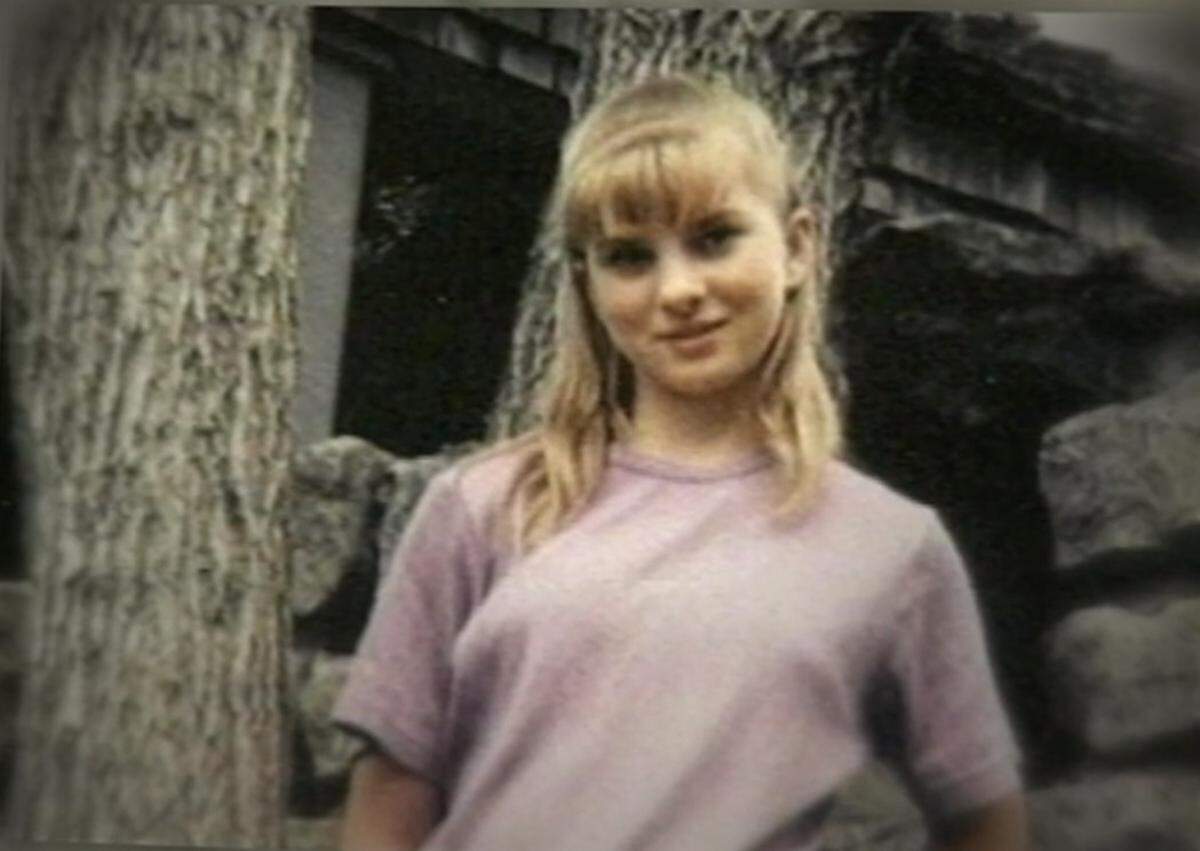
Fifty-five hours after her best friend, Robin Meyer, noticed she was missing, setting off a multi-day search, it was over. Camille was dead. Her chin was on her chest, her left leg was bent under her right, her right arm slung across her waist. Her dark t-shirt and bra had been pulled up over her chest. Her black tennis shoes were still tied. Seven dollars and a school ID card were inside her pockets. Among the garbage around her: a pornographic film and Countryside Baptist t-shirt.
Tom turned over the murder weapon, his Jennings nine-millimeter semiautomatic, to Hayes who, in turn, gave it to Poppa in a white plastic bag at 1:44 a.m. It had been wiped clean and contained no fingerprints. Floyd Sr. then offered up some of his son’s other guns and ammunition.
Officers did not enter the house or Tom’s black Mazda pickup truck. Bullets and shell casings would not be discovered until a week later. Jim Woods, the KBI agent in charge, declined to seal off the crime scene, leaving it open to tampering by the Bledsoe family and guests in the days after Camille’s body was found. When shell casings were found the next week, it was by accident. Reports of blood on Tom’s truck were not investigated until several days later.
Hayes walked over to Dunnaway and asked if his client could go to bed or if he was going to jail. Dunnaway said Tom was going to jail.
Bullets and shell casings later found underneath Camille were inspected by a forensic scientist, T.L. Price, who determined they were fired from Tom’s nine-millimeter. The bullet in the girl’s head was too damaged to link to Tom’s gun but was determined to be a Winchester silvertip, hollow-point bullet, one of the many styles of ammunition Tom’s father turned over to police. Tom had bought nine-millimeter bullets on the same afternoon he killed Camille.
At the law enforcement center, Tom was interrogated by KBI special agent George Johnson as Dunnaway and Frost looked on. “At the very beginning he said, ‘I killed her,’” the sheriff recalled. Frost would later say he couldn’t remember exactly what Tom told Johnson but it was either “I shot her” or “I killed her.”
Tom was booked into the Jefferson County Jail at 3:10 a.m. wearing a flannel shirt, blue jeans and boots, along with a University of Kansas hat. He had one dollar in his pocket and was listed as suicidal.
Heidi Bledsoe, Camille’s sister, was at Robin Meyer’s house that morning when she got a call from police, urging her to meet them at the trailer she shared with Floyd Bledsoe Jr., who was her husband and Tom’s brother. This is it, she thought. They found her. Heidi and Robin picked up Tommie Sue Arfmann, Camille’s mother, and drove with hope in their hearts.
When they arrived, Camille was not there. Poppa and a priest were the only guests. Heidi fell to her knees next to Floyd as he delivered the news: “Camille’s dead.” The women burst into tears. Tommie Sue said Camille had been reading about death in the Bible just a week before and asked her mother, “What’s it like to die?”
When Floyd spoke again, his next words were even more shocking than the last.
”Tom killed her.”
”Tom? Your brother Tom?” Heidi asked.
By the time the sun rose over Oskaloosa on Nov. 8, 1999, the disappearance of Camille Arfmann had been solved. Her body had been found, her confessed killer was in jail and his murder weapon was in an evidence room. A call to the Bureau of Alcohol, Tobacco and Firearms had confirmed the gun was Tom’s. It should have been an open and shut case.
It also should have been a singular tragedy: the heinous and untimely death of a sweet young girl at the hands of a perverse murderer and habitual liar. Instead, what happened in the week following Tom’s arrest turned Camille’s death into a dual tragedy, one that would hang over the town like a thick, dark nimbostratus for sixteen years.
In 2015, Tom admitted in his suicide note that he was Camille Arfmann’s killer. Floyd Bledsoe was soon released from prison and went on to work with another wrongfully convicted Kansan, Lamonte McIntyre of Kansas City, Kansas, to fight for compensation in such cases. In 2019, Bledsoe was awarded more than $1 million.
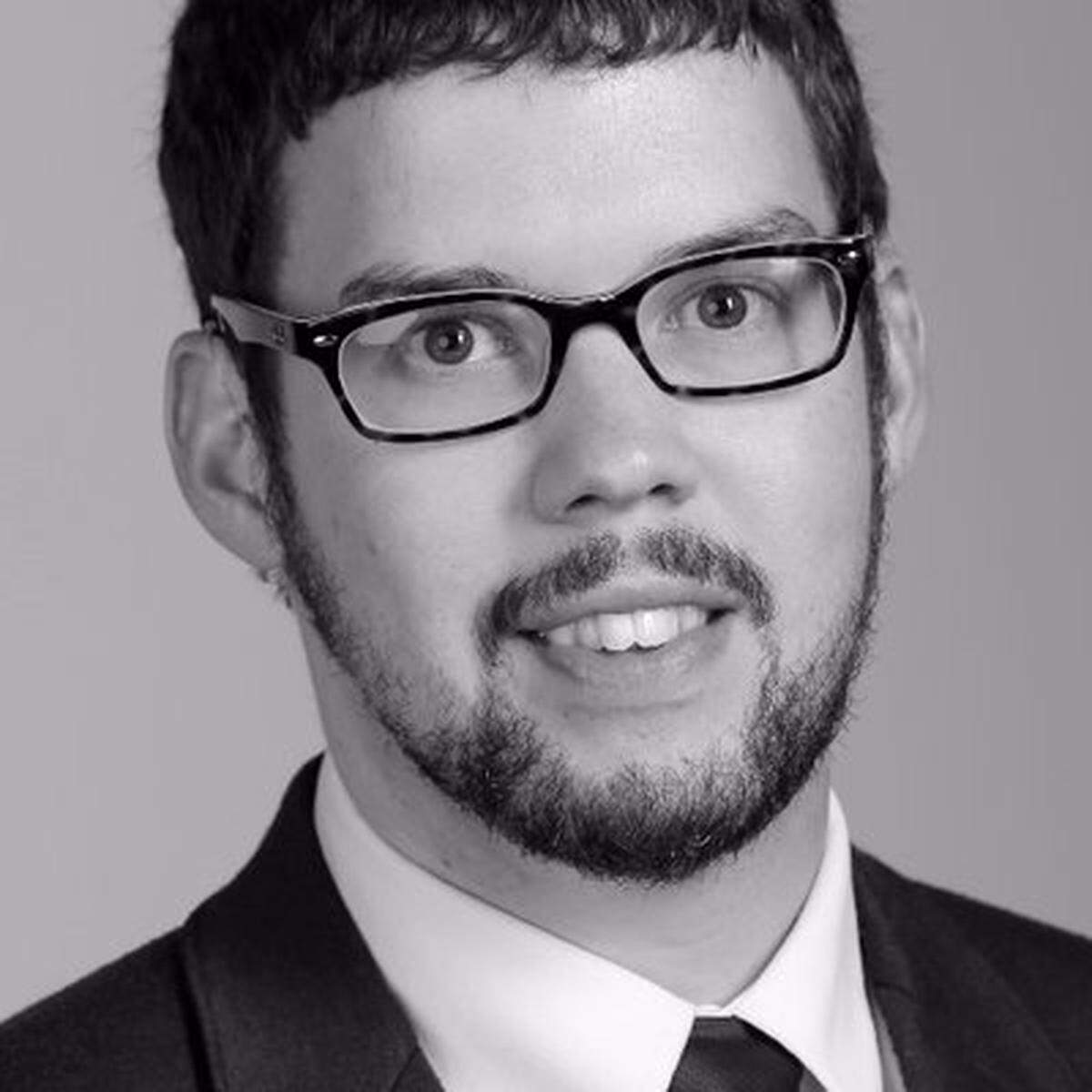
Justin Wingerter is a reporter for The Denver Post and previously covered the Bledsoe case for The Topeka Capital-Journal. He lives in Colorado with his wife, Megan, who is also a reporter and writer.