After charges against officer were dropped, KCPD paid $425,000 for 2014 shooting
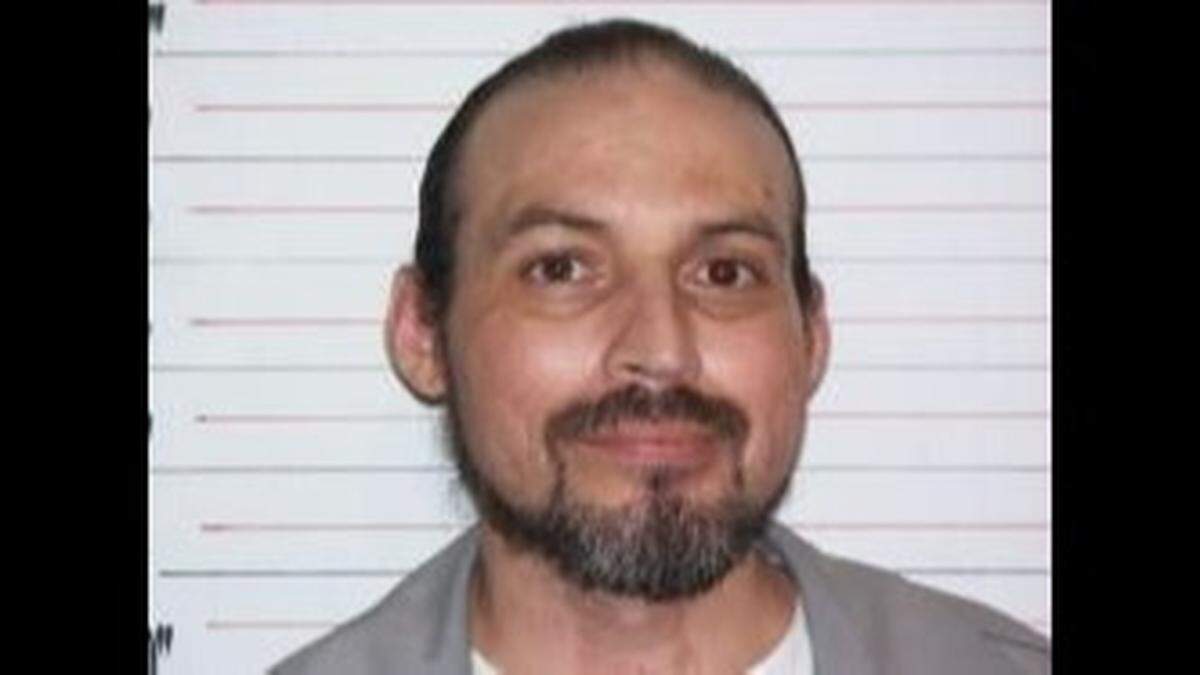
Anthony Contreras was known on the streets by Kansas City police officers as a runner, someone “known to flee and was considered dangerous.”
That’s exactly what Contreras did when Jacob Ramsey and two other tactical officers converged on a residence in the 6400 block of East 15th Terrace during the mid-afternoon of June 24, 2014. The officers went there because Contreras was wanted for an attempted robbery.
As one of the officers yelled, “Tony, I want to talk to you,” Contreras bolted from his front porch seat, darted through the house and raced out of the back door.
Ramsey shot Contreras, nearly blowing away the left side of his face.
Contreras survived the shooting. Months later, a Jackson County grand jury returned criminal charges against the officer. But Prosecutor Jean Peters Baker later dropped them.
The charges against Ramsey were a rarity. Kansas City police officers are rarely charged with crimes when their use of force stokes controversy, though two officers were recently indicted for assaulting a transgender woman.
Two years ago, the Kansas City Police Department paid Contreras $425,000. The settlement was recently revealed in a records request by The Star, through Missouri’s Sunshine Law.
Ramsey still works for the police department, assigned to the investigations bureau. Contreras is now serving a 22-year prison sentence for criminal convictions not related to the 2014 shooting.
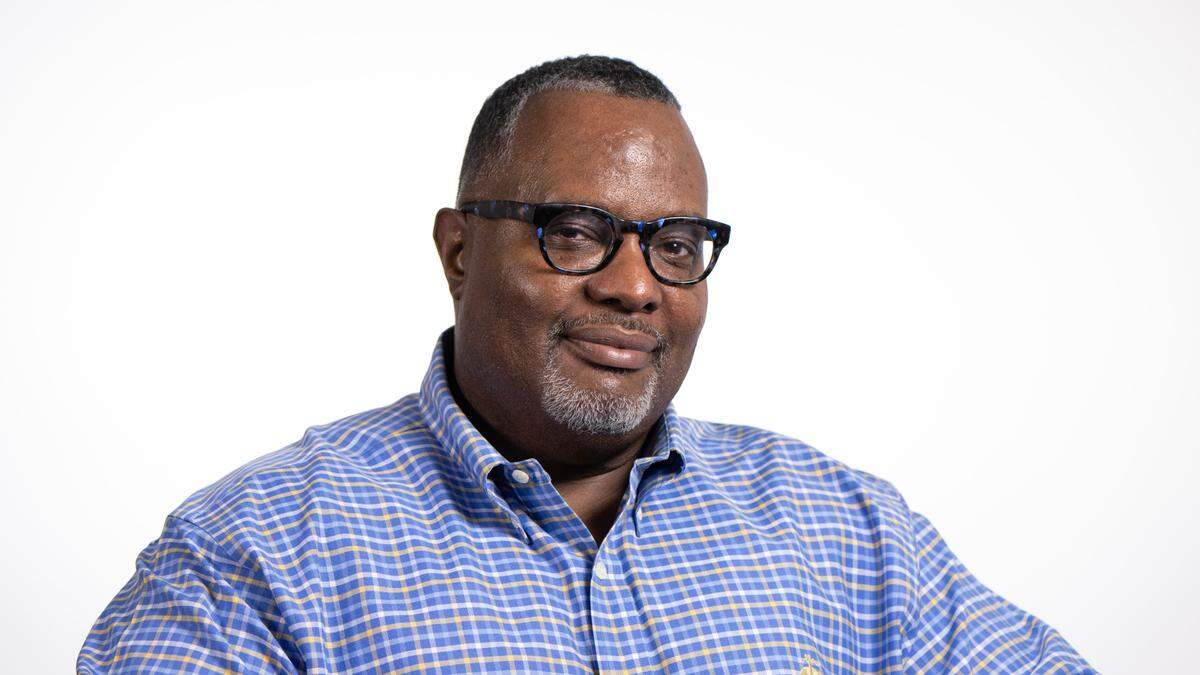
“In my view, why he (Ramsey) panicked as a pretty experienced tactical officer at that point, I don’t know,” said Stephen G. Mirakian, a civil attorney who represented Contreras. “I just know that it happened very quickly.”
“Officers sometimes get scared and we get that. I understand that but under these circumstances you are trained not to shoot people who are not a threat, and in this case, he wasn’t a threat. That is why it didn’t go to trial and we settled the case.” Mirakian said.
Attempted escape
When the Kansas City police officer approached him, Contreras made a run for it.
Ramsey, who anticipated Contreras would try to flee out of the back door and through an alley behind the house, positioned himself about 10 feet away from the back porch with his weapon drawn.
He didn’t wait very long.
Contreras, dressed in a tank top and basketball shorts, flung open the screen door, darted outside and tried to jump over the nearby fence. That’s when Ramsey, armed with a Glock handgun, took aim and opened fire.
Gunfire met Contreras, now 42, as he leaped forward. He crashed to the ground.
A bullet tore through Contreras’ lower left jaw and came out the right side of his face. It took off about half of his tongue and teeth on the lower right side of his face. Ramsey handcuffed Contreras, who was bleeding and sprawled on the ground.
“Amazingly, he didn’t bleed out or choke to death,” Mirakian said.
Ramsey would later say he thought Contreras, who had an extensive criminal history, was armed. Ramsey also told a police review panel that he told the suspect, “show me your hands.”
He later admitted during a civil trial deposition that he never saw Contreras with a weapon. There was no police audio to support Ramsey’s claim that he shouted at Contreras, Mirakian said.
“We are not talking about a guy wanted for rape or armed robbery or whatever they thought he was going to flee and cause harm to bystanders, because there was nobody else there,” he said.
In 2018, Kansas City police commissioners agreed to pay Contreras after he filed a civil lawsuit against the police department alleging battery.
“We felt that this (the settlement) was in the best interest of the department and all of its stakeholders,” said Capt. David Jackson, a police spokesman. “We are attempting to be good stewards of taxpayers’ money.”
Jackson did not say if Ramsey faced discipline. He said Ramsey, who is currently assigned to the investigations bureau, was not available for comment.
No policy changes
About two months after the 2014 shooting, Kansas City police convened a panel to review what happened that day.
The group consisted of a number of high ranking police officials that included a deputy police chief, a major who was in charge of the violent crimes division, the police department’s in-house attorney, the director of the Kansas City crime lab and an assortment of training supervisors as well as Ramsey’s chain of command and other officers.
According to their summary, police had a pick up order for Contreras, who was wanted for a felony stop order issued by the East Patrol property crimes unit. Based on his criminal history, police believed Contreras to be armed and dangerous.
Ramsey believed that Contreras was reaching for a weapon. Fearing for his life, Ramsey fired one round from his department issued Glock, which struck Contreras in the face, according to the summary.
The report did not say if Contreras was found with a weapon, as Ramsey had told them.
“All facts indicate that Officer Ramsey responded to a deadly threat by the suspect and only fired to protect his life and that of others,” the group concluded.
The report also said: “The panel discussed the fact that the suspect’s threats to shoot it out with police should have been documented. No other issues were noted during the panel’s discussion.”
The police shooting panel that reviewed the incident made no recommendations or suggested any department policy changes.
Mirakian said officers need better training.
“When you are given a gun and you are given that responsibility, you have to be trained to adapt to situations and when a police officer overreacts and hurts somebody then there is a price to be paid and that is unfortunate,” he said. “That doesn’t mean that the cop is a bad man or a bad person.”
Criminal charges dropped
Several months after the indictment, Jackson County Prosecutor Jean Peters Baker announced that her office would no longer pursue the criminal charges. Baker said they would not be able to prove beyond a reasonable doubt that the officer’s action was not justified under Missouri law.
In her finding, Baker concluded Contreras made false statements to the grand jury and would not be a credible witness at a criminal trial.
Baker also said her office had received information that Contreras, prior to the shooting, had made statements that he would rather shoot it out with police and get shot than return to jail.
Testimony from expert witnesses the defense was prepared to produce would support that Ramsey acted reasonably and justifiably, Baker concluded at the time.
When asked this week about the decision to dismiss the criminal charges, Michael Mansur, a spokesman for Jackson County Prosecutor Jean Peters Baker, referred to a statement the office issued in April 2015, when the criminal charges Ramsey were dismissed.
“In February, the grand jury determined probable cause existed to indict the … officer on assault and armed criminal action charges,” it said. “But a subsequent investigation and legal analysis has demonstrated that the evidence no longer supports the further pursuit of those criminal charges.”
The statement continued: “Like all prosecutors, we have a duty to be convinced that evidence supports a defendant’s guilt beyond a reasonable doubt. Our subsequent investigation convinced us that burden could not be met.”
Contreras is serving a 22-year prison sentence at the Western Missouri Correctional Center on 17 felony convictions that include endangering the welfare of a child, resisting arrest, tampering with a vehicle, burglary, property damage and possession of a controlled substance.
He is scheduled to have a parole hearing in 2023, according to Karen Pojmann, a spokeswoman for the Missouri Department of Corrections.
A condition of the settlement requires Contreras pay a portion of his police settlement to cover the costs of his incarceration, said Mirakian, who represented Contreras in the civil case.
There was no evidence that Ramsey had prior history with excessive use of force or that the shooting Contreras was racially motivated, he said.
“I think it was an overreaction in a stressful situation,” Mirakian said. “The problem is when you are given a gun, you can’t make that mistake and he did. That is why they paid it out and it was wise to pay it out.”
This story was originally published May 26, 2020 at 5:00 AM.