Reform of sexual assault investigations in Lawrence will take more work, experts say
Recently announced efforts to improve sexual assault investigations in Douglas County after complaints of mishandled cases are a needed first step to restore trust in the college community, experts say.
But some said more needs to be done.
District Attorney Charles Branson’s announcement last week of additional training and plans for new policies came after his office filed, then dropped, three false report cases against women who reported sexual assault or domestic violence.
Under increased public scrutiny, Branson has hired a national consultant to work with the county, required members of his staff to receive online training on how the trauma of sexual assault affects survivor behavior, and created a task force to develop a county-wide protocol for addressing sexual assault. He said his office will provide yearly continuing training.
There is no timeline for writing the new policies, Branson told The Star in an email, but the training is scheduled to begin in April. The task force created to develop the policy currently has seven men and no women. Branson said more members will be added in the future.
The changes come after a Star investigation found police in Lawrence were not trained as well as other departments to handle sexual assault and had a lower than average arrest rate. Women said police told them assaults happen when college women “experiment” and that a rape did not occur because the woman and suspect were dating.
National experts and law enforcement leaders say the steps taken by Branson are positive. However, they say strong leadership and commitment to improvement will be needed long after the initial training.
Lisa Avalos, a law professor at Louisiana State University who works with End Violence Against Women International to develop training for law enforcement, said the county needs a completely new approach to these cases for survivors to trust them again.
Part of that, she said, includes announcing a moratorium on prosecution of false report cases until officers are better prepared to investigate sexual assault cases.
“Their whole orientation needs to be ‘we need to get our heads around the amount of sexual assault that’s happening in this community and do our best to identify perpetrators and punish them and take them to court rather than dismissing each victim, one by one, trying to find an excuse to not investigate her sexual assault,” she said.
.png "Capture_fitted (19).png")
New training
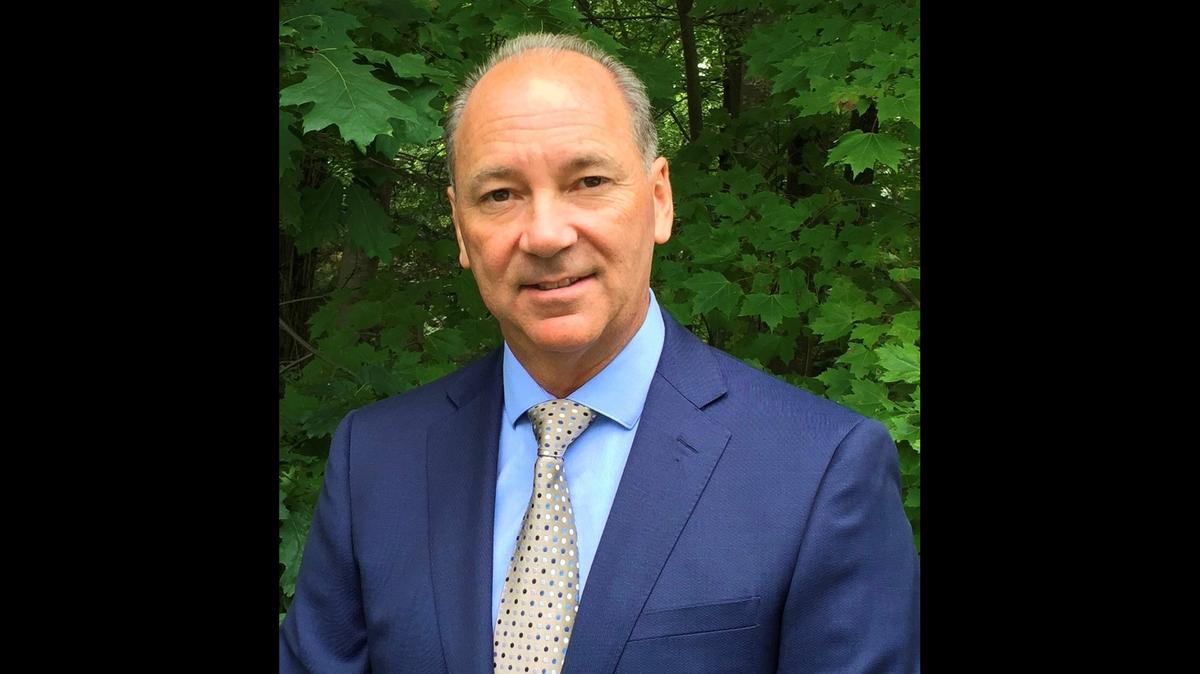
Branson made it clear that law enforcement in the county needed to change when he called consultant Thomas R. Tremblay in November to discuss a partnership, Tremblay said.
“I quite honestly don’t want to work with someone who is just trying to check off a box and I get a lot of calls from departments and others who have been through some sort of a crisis or a scandal,” Tremblay said.
“I had a very good conversation with Charles Branson and it was, ‘look we want to meet the best practices and strategies around sexual assault.’” He explained some of the crises that he’d been through around charging a false report case and recognized that perhaps there were better ways to approach these cases.
Tremblay said he was particularly encouraged by Branson’s interest in taking a community-wide approach rather than just focusing on his office.
The former police chief’s training focuses on three things: victim centered services, trauma-informed approaches, and offender focused investigations.
Tremblay said the concerns expressed by survivors about retraumatization and victim shaming is something he hears regularly in the jurisdictions he works in. An important step for most, he said, is restoring trust.
“That will be part of the training is that we have to take responsibility for situations that have eroded trust,” he said.
Tremblay’s work with Douglas County has not yet begun but, he said, the two-day training scheduled for April will begin a discussion of ongoing training and new policy for the investigation of sexual assault. Tremblay has been contracted for 16 hours of work after the training program to review and consult county leaders as they develop the new policy.
“The number one goal is to make sure that the men and women in law enforcement have the tools to respond effectively,” Tremblay said. “The standards and expectations around how we respond to sexual assault have changed substantially over the last five to seven years but unfortunately many of the police officers haven’t received that training.”
He said he expects the policy to be developed by the multidisciplinary task force announced by Branson. The task force, Branson said, is intended to develop protocol and is separate from the longstanding Douglas County Sexual Assault Response Team which entered a hiatus in May during a transition in leadership.
The new task force, Branson said, will “work as long as needed to complete its mission” and will meet “as needed.” Those meetings will not be open to the public.
Even after the policy is developed, Tremblay said, it’s important that the county and agencies within it continue to use best practices for sexual assault investigation and that law enforcement advocates and prosecutors work together on such cases.
“(A) consistent and supportive message has power and tells the victim or survivor that they’re in a place where these crimes are taken seriously and they can trust the system moving forward,” Tremblay said.
Eroded trust
At the end of 2019 the KU Edwards Campus Bachelors of Social Work Student Group launched a letter-writing campaign urging officials in Lawrence and Douglas County to develop better training for police, prosecutors and the district attorney.
They also requested that only officers with adequate training handle sexual assault cases.
The campaign came as a reaction to the false report case brought against a KU law student who told Lawrence police she was raped. Officers decided within 90 minutes that the woman was lying and months later passed her case over to prosecutors who filed charges.
More than a year after the alleged assault and months before her case was set to go to trial, the district attorney dismissed the charges. In announcing the decision Branson said he still believed he could win the case at trial but was concerned about a chilling effect on other survivors.
“This has been a pretty egregious act against social justice,” said Anne Divine, president of the KU student group. “We started looking further into the history of how sexual assault cases have been handled and it reflected a pattern where social justice was not being done for these survivors.”
The only official who responded to any students, Divine said, was Lawrence City Commissioner Lisa Larsen.
Larsen, Divine said, told her the department takes these cases very seriously and has “many” officers who have completed additional training on sexual assault investigations. Larsen also said she shared the student’s concerns, Divine said.
Divine said she hopes to see the training announced by Branson last week translate into actions for officers. But there needs to be transparency and a cultural change in law enforcement.
“To treat someone as a survivor not as a suspected criminal,” is necessary, Divine said. “Which I understand is how these people were treated.”
Former KU student Hannah Strader has spoken publicly about being sexually assaulted by a Lawrence comic book writer who was accused by multiple other women. Despite multiple reports, police have never arrested him.
Strader said she felt that the district attorney was merely reacting to media attention and failed to truly address the problem of cases that were not properly investigated.
“Personally I would like to see them reach out to all the women and I would like to be reached out to and talk through what the hell happened and what else I could do,” she said. “Or even for them say we’re taking these former reports seriously and we are going to start an investigation.”
Strader said she has never heard from police after she spoke out about her assault. The new training, she said, could be helpful to future survivors but it does not solve existing cases or address a cultural problem of men not understanding the challenges faced by women.
“To know that (her assailant) has done that and nothing has happened — to me they’re kind of giving us what we wanted to hear,” Strader said.
Police training
Lawrence police detectives have completed an online training program on trauma-informed investigations, said Patrick Compton, a department spokesman.
The department will be part of the task force created by Branson to develop new protocol and will have officers in attendance at Tremblay’s training. Compton did not know how many officers would be involved.
“It’s still in its infancy so we haven’t gotten too far with where it’s going,” Compton said. “(Branson’s) got a lot of stuff that he envisions also that he wants to bring to this partnership. We haven’t sat down and had a formal discussion about it.”
Dennis Butler, director of the Riley County Police Department, said the trauma-informed training being introduced in Douglas County is an example of a strategy that research has only recently made available to law enforcement.
More and more departments, he said, have adopted the policy in the past few years as it has proved to be effective.
Butler, who has served on the Kansas Bureau of Investigation Sexual Assault Backlog Initiative, said Tremblay, who also worked on the project, is one of the “top trainers” in sexual assault investigations.
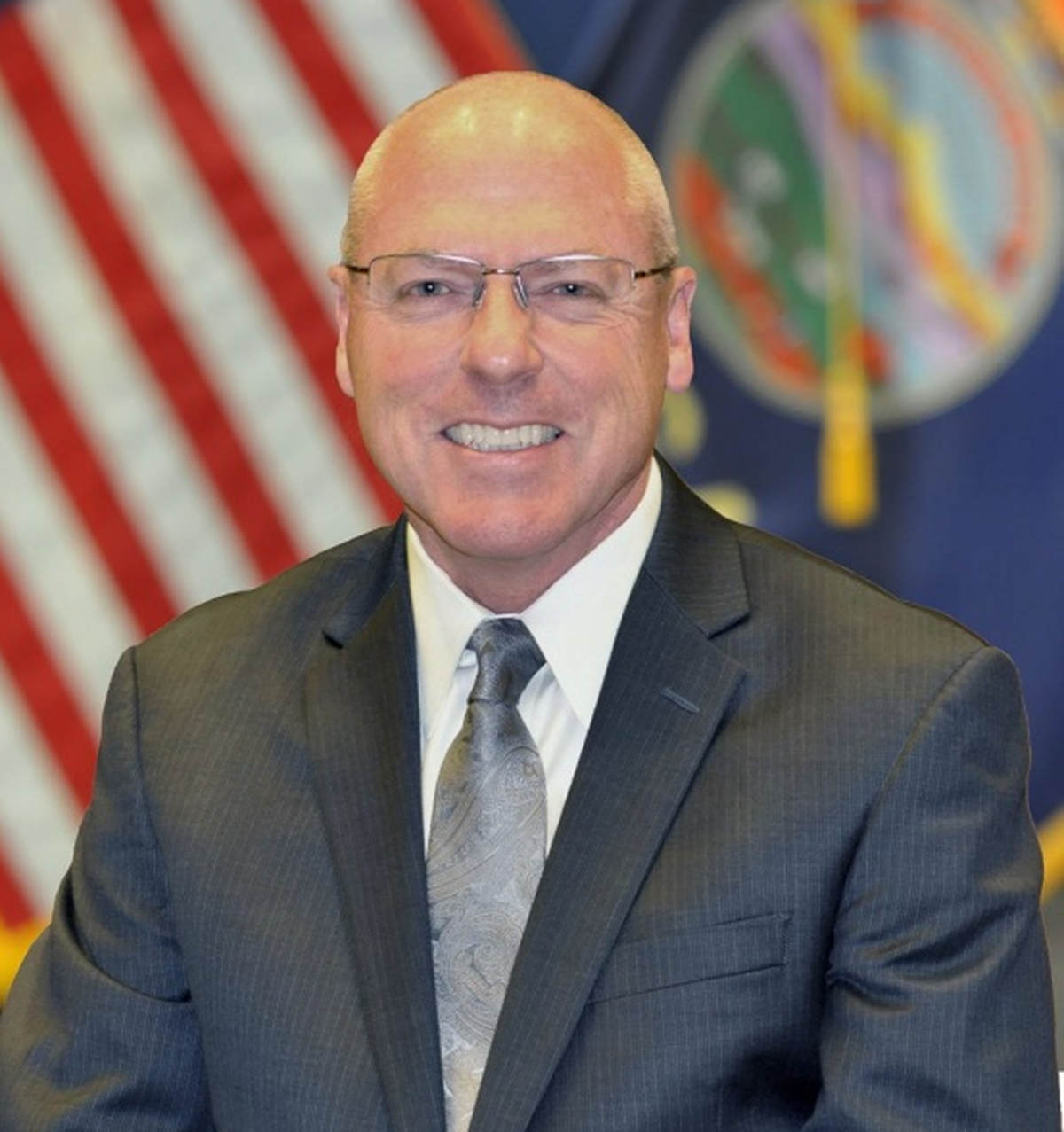
However, in order for such training to be effective, Butler said, it needs to be promoted in the community and department leadership needs to be strongly behind it.
“I think when the leadership of the agency is front and center on these changes advocating for it and explaining the importance of it the culture shifts occurs more quickly,” Butler said.
A start
Avalos, of End Violence Against Women International, called Branson’s announcement “a start” and applauded him for hiring Tremblay.
But, she said, accountability down the road will be key.
The trauma-informed training outlined in Branson’s plans is one of the most important things for law enforcement to go through, said Avalos, the law professor.
However, she said, there are at least 10 or 15 other areas that law enforcement in Douglas County needs help with after the false report cases.
Avalos said many of the areas Douglas County needs to better train law enforcement on can be found on the End Violence Against Women International Website but highlighted issues such as drug and alcohol-facilitated assaults and reporting mechanisms.
If Branson’s task force becomes a permanent, systemic part of sexual assault response in Douglas County, Avalos said, it would play an important role in ensuring victims are treated correctly and false report cases, such as the one against the law student, are not brought without cause.
A multidisciplinary sexual assault response team has already existed in Lawrence for more than 15 years. However, Avalos said, if such a team is working correctly, a false report case like the one against the KU law student wouldn’t be filed in the first place.
“If you have a structure like that and it’s permanent in the community then … you’re not going to have a couple detectives who are inexperienced and not equipped make these decisions make a bad decision to charge a victim,” she said.
Change will require a long-term commitment, Avalos said.
“It could be tempting if you’re in (Branson’s) shoes to just hope this whole thing is going to blow over and then just go back to the way they used to do things,” she said.
“If they’re looking for a quick solution until things die down that’s not going to create real change in the community.”
This story was originally published February 15, 2020 at 5:00 AM.