
'Is this how it ends?' wondered Lyft driver shot in Liberty. It wasn't
What's happening?
Antoine Roston is sprawled on his hands and knees gaping at a pool of his own blood. Noise floods from the crowds letting out from the Landing bar in Liberty where he'd gone as a Lyft driver to pick up a rider.
Pains swarm over him — one feeling like he'd been ambushed and the side of his face slaughtered by a metal baseball bat.
People in dark shapes gather around him. Someone is shouting: "You already shot him! Get the f--- away from him!"
Shot? I've been shot?
Thoughts in peculiar order rise out of his static as the 41-year-old father gasps for air.
I'm not going to be able to pick up my 4 a.m. rider . . . My car's engine is running . . . My wife is going to get a phone call, a terrible phone call . . . My mother —
When Roston was a teenager, a cousin was killed in gunfire. He remembered his promise to his mother, after he heard how his cousin's mother received the news of his death, that he would never put her through anything like that.
— my mother.
"I'm lying on the ground shot," Roston says now, eight months later, remembering the confusion after he was caught in the rage of a man with a woman who called Lyft for a ride after midnight, Oct. 29.
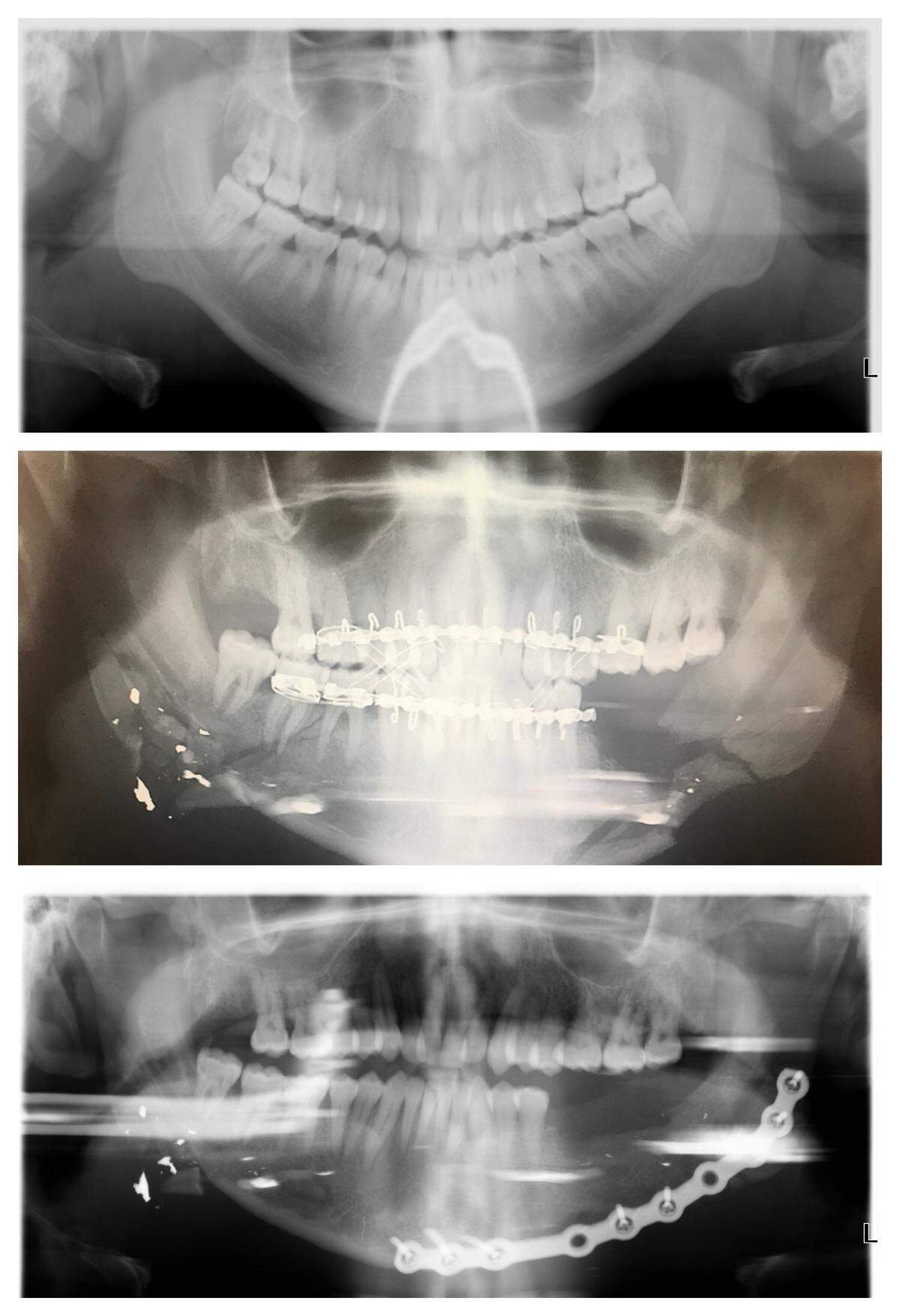
The man shot Roston three times with a .45 caliber handgun, one shot blasting below his left shoulder, another burrowing across the back of his skull, and the third into the side of his face, through one cheek and out the other, bludgeoning his tongue, teeth and jaws.
In a year when almost 220 people died in gunfire in the Kansas City area, Roston was one of the hundreds more who were shot and survived.
"And I'm thinking, 'God? Is this how it ends?' " Roston said.
It should have been — by all accounts — the end.
"But God said, 'No.' "
Any one of the three bullets could have killed him. The slightest change in the angle puts one in his brain, another in his spinal cord, one in his heart.
And these weren't just any bullets.
Roston has looked them up on the internet. The words show up as a previous search as he starts to type it into his phone:
Hornady Critical Defense .45 . . .
That's the ammo police say 28-year-old Robert Logan Pulse of Independence unloaded on Roston that night.
Not long ago Roston peeked at a YouTube video of someone demonstrating the bullet's power. He saw the results of the ballistic gel test.
"425 foot-pounds of energy," the tester in one video says. "Expansion pretty good — .65 inches. And the wound track," he continues, displaying the gouging course the bullet took through the thick greenish gel, "is pretty nasty-looking. All-in-all a good performance."
Roston doesn't look any more. The videos show someone test-firing. Like a tripwire, the bang! bang! bang! in the video sprung from Roston the memory that had been buried before: the sound of the gunshots on him.
Pulse is charged with first-degree assault and armed criminal action. A trial date is set for Jan. 5.
When the state's prosecutor in the case introduced himself to Roston, he shook Roston's hand and told him, "I've never met a man who was shot in the head twice, let alone shot with a .45."
"Hurt so good . . ."
Singing isn't easy in this moment of pain, with Roston's occupational therapist bending and squeezing his once-paralyzed left arm, but Roston grimaces and gives it a shot.
The John Mellencamp song seems appropriate.
"Come on baby make it hurt so good . . ."
Three times a week he pushes his body's limits here at North Kansas City Hospital, and he and his occupational therapist, Stacy Cronhardt, try to find some fun in it.
Roston would make a good ventriloquist, Cronhardt joked. When you go six months with your jaws wired shut and your face muscles slack, you learn to talk without moving your lips.
When the nerves to your left arm are blasted numb, you learn just how angry they become when dogged therapy fires them back to life.
"Ooooh," Roston groans, working his bicep flexion against a taut machine lever.
"I refuse to let this defeat me," he grunts, mantra like. "I refuse to be depressed. I refuse to make excuses . . . (or) go on welfare, unemployment, disability or whatever."
When he first started his occupational therapy in February, he had to strap his left hand to the machine to perform the array of exercises. He had no grip. His bicep was shriveled.
A metal plate holds his left jaw together. At least three of his teeth were lost. One remains embedded in his neck, enveloped by body tissue after that terrible night's explosion of his mouth.
His jaw was wired until mid-April. He could not talk or eat.
No Thanksgiving dinner. No Christmas dinner. He missed most of his 18-year-old daughter's senior year at Winnetonka High School and the school years of his 16-year-old daughter and 12-year-old son. He worried about his wife, Monee, supporting their family alone.
He has a business — ZMAKC Transportation — with a fleet of high-end cars. He drove for his own company and filled in time driving for others. He's also a pastor. He and Monee had talked about starting their church again the week he was shot. He's determined to get it all back.
"I've cried a lot," he said, worrying over his family, his struggle to work again, and the life experiences he's missed.
Roston's throwing a thank you party.
It's an open invitation to his community, at 7 p.m. June 29 at the Mohart Multipurpose Center, 3200 Wayne Ave. in Kansas City.
Roston cries anew when he recounts the many acts of kindness he has seen — fearful that "we would have been homeless without their help."
Some of the people he is thanking were people he knew before, like Jude Davila of Prime Time Transportation in Kansas City and former Chiefs linebacker Derrick Johnson, who led a fundraiser last year to help Roston and his family.
Others he came to know after he was shot, like P.J. Cross of Independence.
Cross was managing sound for the band at the Landing that night when he heard the gunfire. Cross, who is a certified medical assistant, ran to give him aid and comfort until the ambulance arrived.
Cross and Roston finally reunited about a month ago. They met at the Landing, nervously, to retrace that night, seeking clarity together.
But first, they stood together after greeting each other, in a long moment of meaningful silence.
"The last time I saw him," Cross said, "I thought he was going to die in my hands."
To the man accused of shooting him, Roston offers forgiveness, he said. He believes he should be prosecuted, but he carries no hatred.
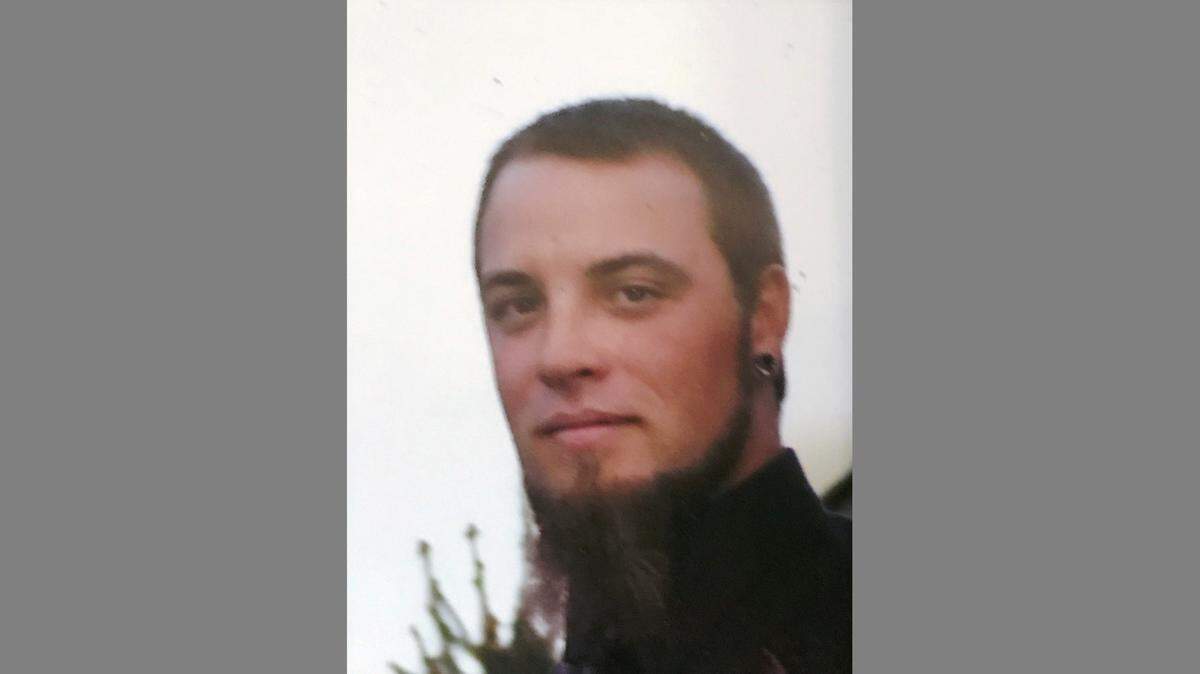
Pulse's family, soon after the shooting, offered a statement mourning the violence, sending prayers for Roston's recovery, and asking the community to reserve judgment.
Roston wants to start his church again. The same name as before will return, he said. Rapha Temple Gospel Church. The word Rapha is a reference to the healing power of God.
His voice may never be the same again. Words come hard, bottled up in his scarred and swollen mouth.
But people listen more intensely now, he said. Maybe there is a gift there.
He sees a chance "to help people cope and get through this life with a little bit of hope," he said. "A testament to faith."
This story was originally published June 24, 2018 at 5:30 AM with the headline "'Is this how it ends?' wondered Lyft driver shot in Liberty. It wasn't."