Lee's Summit candidate pans city video policy change, claiming rights violation
Lee’s Summit’s broadcasts of city council meetings will no longer show the faces of public commenters under a new city policy implemented in response to a candidate’s use of city video for his campaign.
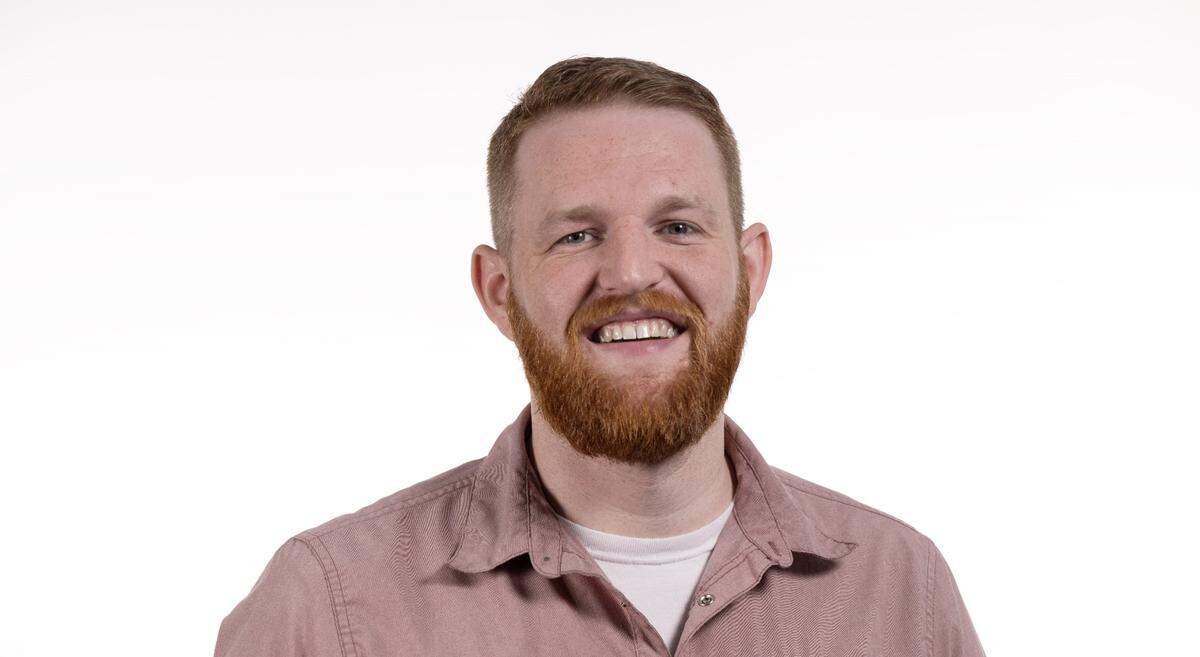
To City Council candidate Zak Al-Shawish, who has regularly critiqued city officials during public comment portions of meetings and then uploaded city videos to a campaign Facebook page in recent months, the policy change felt like a targeted move and a violation of his free speech rights.
To city staff, the move was in response to concerns some reportedly had raised about the use of the city’s public comment periods and city video for political purposes, according to a March 2 memo written by City Manager Mark Dunning explaining last month’s policy change to city officials.
The memo, which Dunning provided to The Star, did not identify Al-Shawish by name but said Dunning directed the change after working with the city’s law department to determine what could be done with “the concerns that a specific citizen and candidate is perceived to be utilizing the public comment portion of the meeting for personal gain or campaign purposes.”
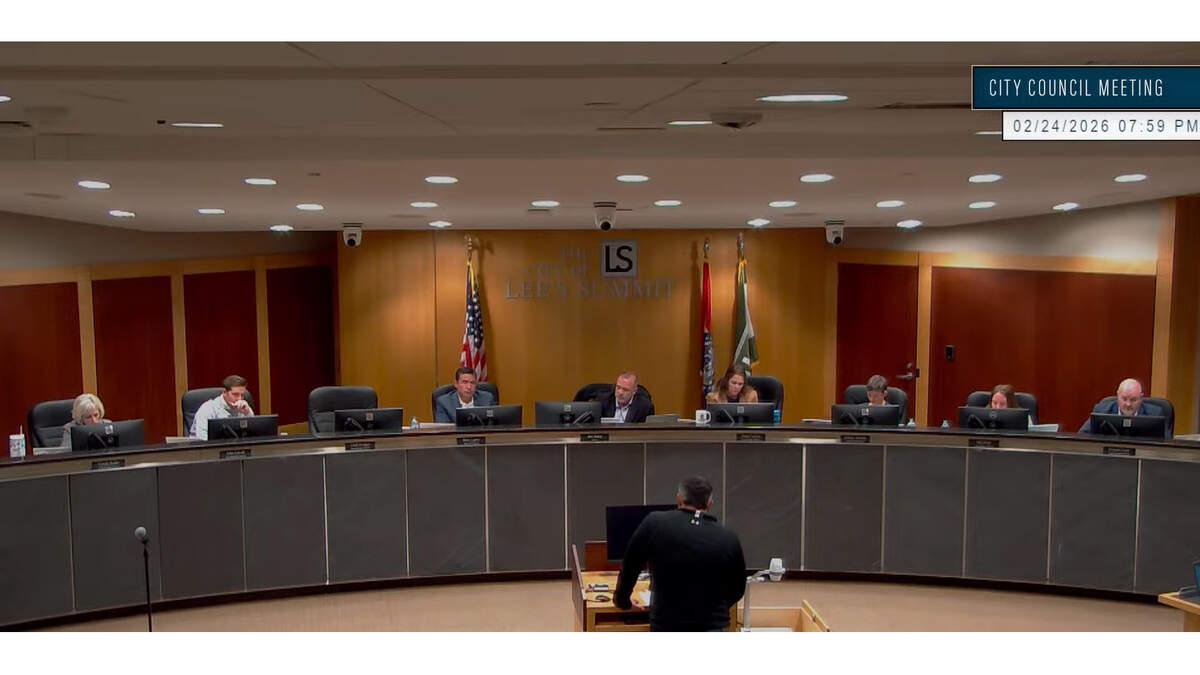
Under Dunning’s new direction, starting Feb. 24, the camera angle used during public comment periods would no longer show speakers’ faces. Public commenters’ voices would still be heard, but now, viewers would see a general view of the council chambers, speakers’ backs and council members sitting on the dais at the front of the room.
Al-Shawish slammed the decision in social media posts and in an interview with The Star, saying the change was inappropriate and that he felt the city was trying to “quash dissent.” The faces of incumbent council members can still be viewed during the meetings, and the videos are a public record, he argued.
“The reason they made the change is to disconnect the viewer from the speaker by removing these nonverbal cues,” he said. “It’s also a First Amendment violation under viewpoint discrimination.”
“They’re just creating a narrative to justify their actions,” he said.
Al-Shawish is challenging incumbent council member Donnie Funk for his District 4 seat in the April 7 election. Asked about the policy change, Funk declined to comment and referred a Star reporter to Dunning.
During an impromptu discussion during Tuesday’s City Council meeting and in an interview with The Star, Dunning reiterated that he made the decision after he felt city resources were being used for “personal gain or campaign purposes.”
The city’s legislative chamber shouldn’t be a background for videos for campaigning, he wrote in his memo. City staff educate candidates about the use of public resources and work hard to ensure that candidates are treated equally, he said.
“In order to create the most neutral platform for everybody, instead of the front-facing camera, I directed our audio-visual staff to, I’ll say, bring the temperature down in the room and try to neutralize what is taking place here,” he told The Star. “I said, ‘For all public comments from here on out, go to the back angle, where you can see the entire council with the public speaker there.’
“We’re still capturing the audio, we’re still capturing the video. But what was taking place, we felt it wasn’t right. I heard that from many: ‘Should this be occurring?’”
Council discussion
The policy change kicked off an unscheduled discussion among city officials at Tuesday’s City Council meeting. Some supported the policy change, others voiced dissent.
Council member Hillary Shields noted that public comments can still be seen publicly online and said she felt the new policy struck a good balance between transparency and responsible use of taxpayer resources.
“People can listen to them online, but there’s a difference between that and the use of city resources to create essentially social media content,” she said. “Responsible use of taxpayer dollars, to me, isn’t to generate professional videos for private use, it’s to broadcast these public meetings, including public comments, so that we maintain transparency with the public.”
Council member John Lovell said he felt the decision opened the door for “further stuff down the road that just concerns me, whether that’s censorship or whatever.”
“I certainly would expect if I got up here and said something stupid, which I do all the time, that someone could take that clip and someone could post that clip, and someone can say, ‘I’m running against this person, look at their ideas,’” he said. “We need to know as constituents, who’s making those statements, whose ideas those are, and I need to make an educated decision on it.”