
From sewing to ghosts, history comes alive at immersive Lee’s Summit experience
AI-generated summary reviewed by our newsroom.
- Missouri Town uses interpreters and historic buildings to recreate 1880s life.
- Annual attendance nears 11,000, with 3,000 students joining educational tours.
- Workshops and events teach 19th-century skills through hands-on participation.
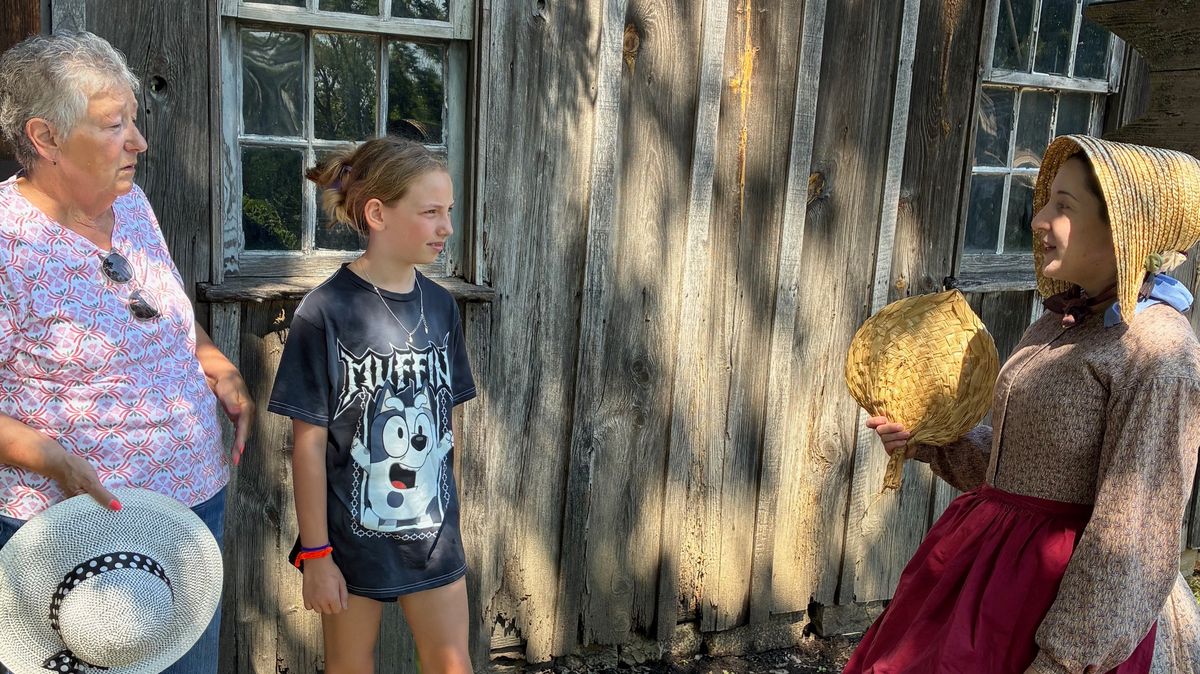
To understand Missouri’s past, resources such as books, documentaries and museums are always an option. But for a more transportive experience, visitors to the Missouri Town Living History Museum discover the 1880s by interacting with interpreters dressed in period attire and exploring a small, vibrant community.
Missouri Town, located in eastern Lee’s Summit on around 30 acres, is owned and operated by Jackson County Parks + Rec. The museum incorporates historical interpretation, experiential learning and preservation to connect guests to the lives of 19th century Missourians.
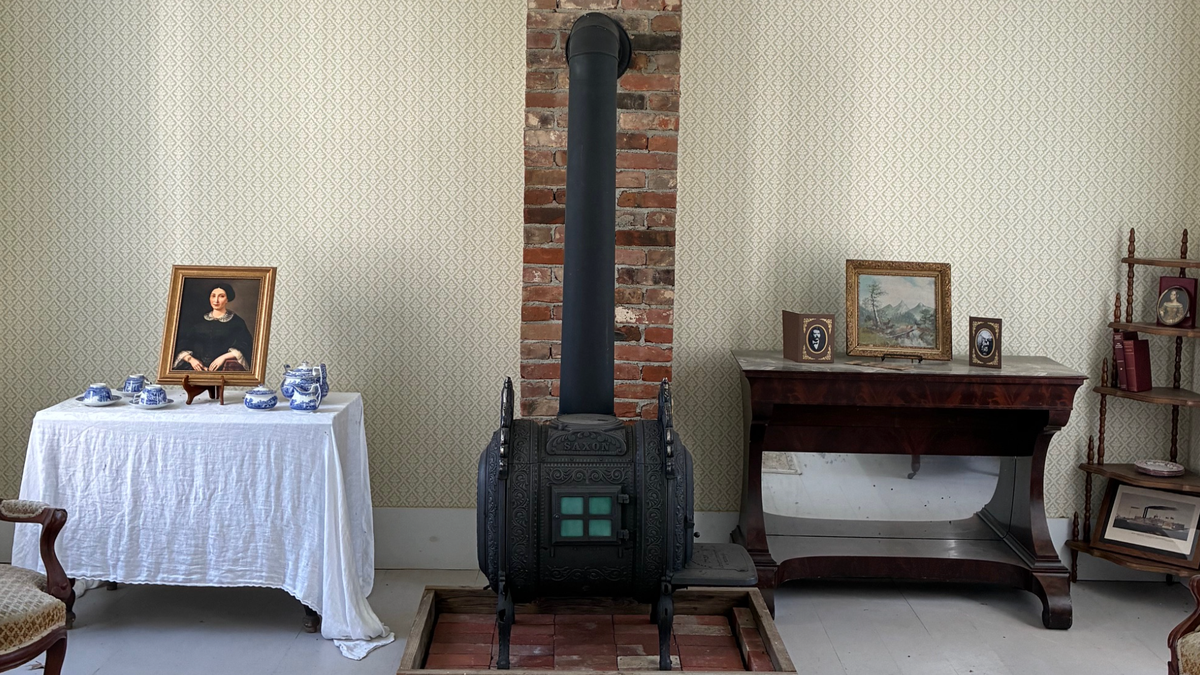
The museum features around 25 buildings, dating from 1822 to 1860, with each historic structure moved piece by piece before being reassembled on site. Through self-guided tours, visitors hear from living history interpreters; walk through the homes, businesses and other structures; and check out heirloom crops and heritage livestock.
“People can relate better and understand history a little better when they are seeing it, holding it in their hands, interacting with it in a different way than in a sterile museum — which definitely still has its uses and benefits,” said Amy Coale, the living history museum’s site administrator.
Missouri Town, which opened in 1965, attracts around 11,000 people annually, including close to 3,000 children on school and summer camp field trips.
“We hear from visitors who come back through and say, ‘I came here as a kid on a school tour,’” she added. “For a lot of folks, it creates some of those early relationships with museums and history.”
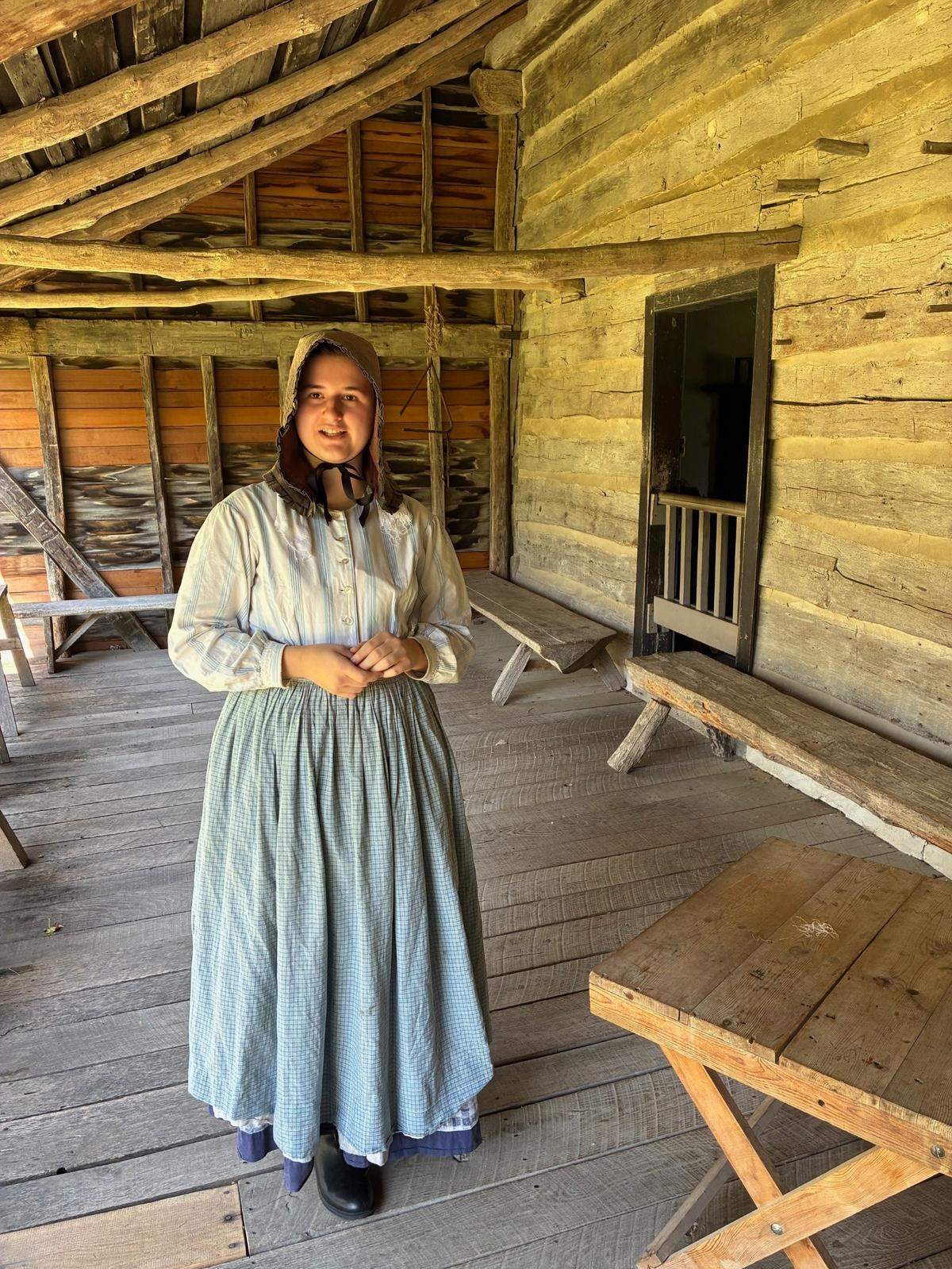
Thanks to the museum’s interpreters, visitors not only learn about daily living in the 1800s, they also hear the reasons behind everything from clothing to housing construction to cooking methods. Throughout the day, living history interpreters demonstrate and share information about 1880s tasks such as cooking, blacksmithing, farming, shopkeeping and sewing.
“They put things in terms that people can understand and better relate to,” Coale said.
Clothing is one example, and interpreters often explain that modesty was not the only driving factor for the long pants, skirts and sleeves as well as bonnets.
“It’s a world before sunscreen,” she added. “It’s a world before (insect spray), so you’re going to protect yourself from insects or from the sun by changing what you are wearing.”
Living without air conditioning can be nearly unfathomable for most guests, and the interpreters discuss how to adapt through methods like building design, windows and strategic ventilation.
Missouri Town’s many structures were selected to provide a comprehensive view of the time period and include homes, businesses, a church, livery stable, school, tavern/inn, stagecoach stop, outhouse and smokehouse. All buildings were relocated from within a 75-mile radius of the attraction.
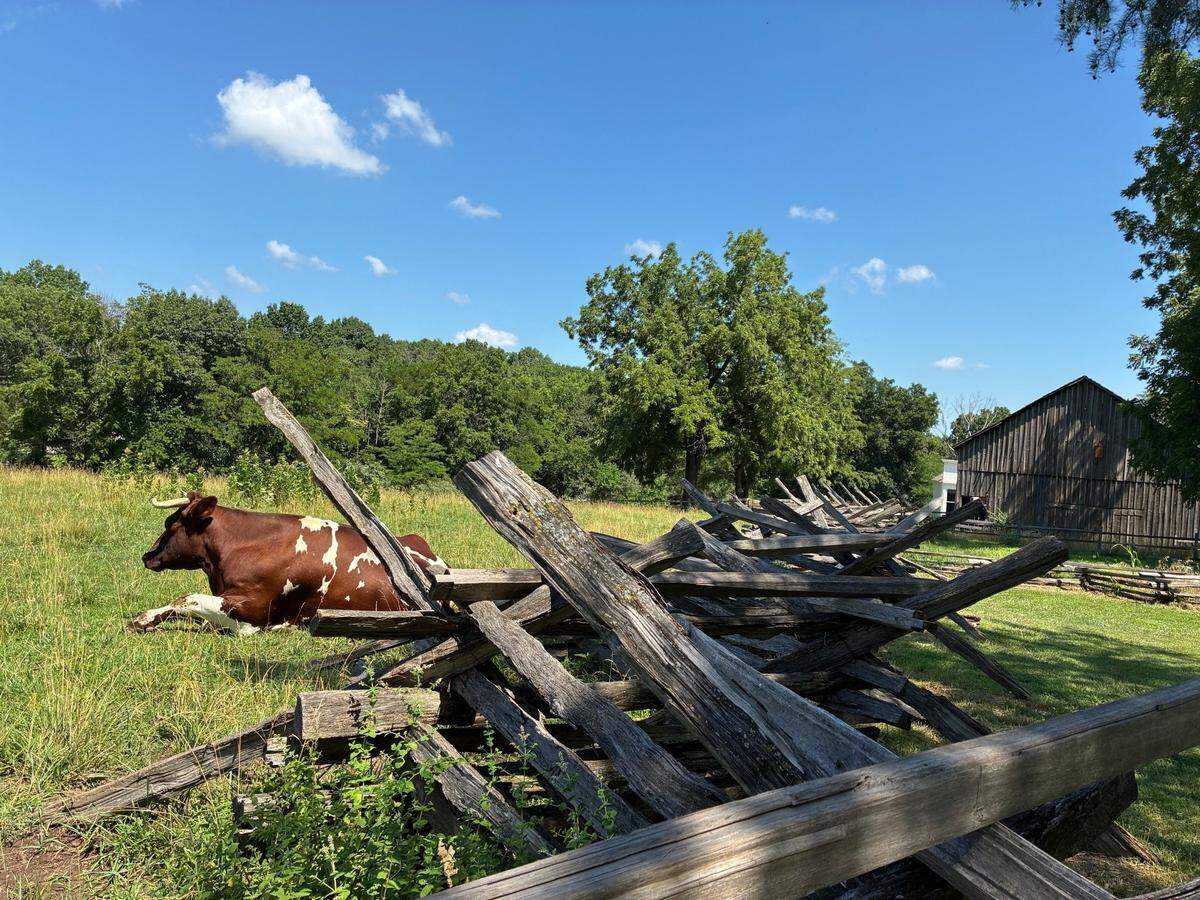
The museum’s animals are all typical for the 1880s with sheep, oxen, chickens and a couple of cats in residence to further enhance the experience.
“Our goal is to give our visitors a true sense of what life in the mid 1880s looked like here in Western Missouri,” Coale said. “The sights, the smells, the sounds — all of it — and to be able to provide context to that as well.”
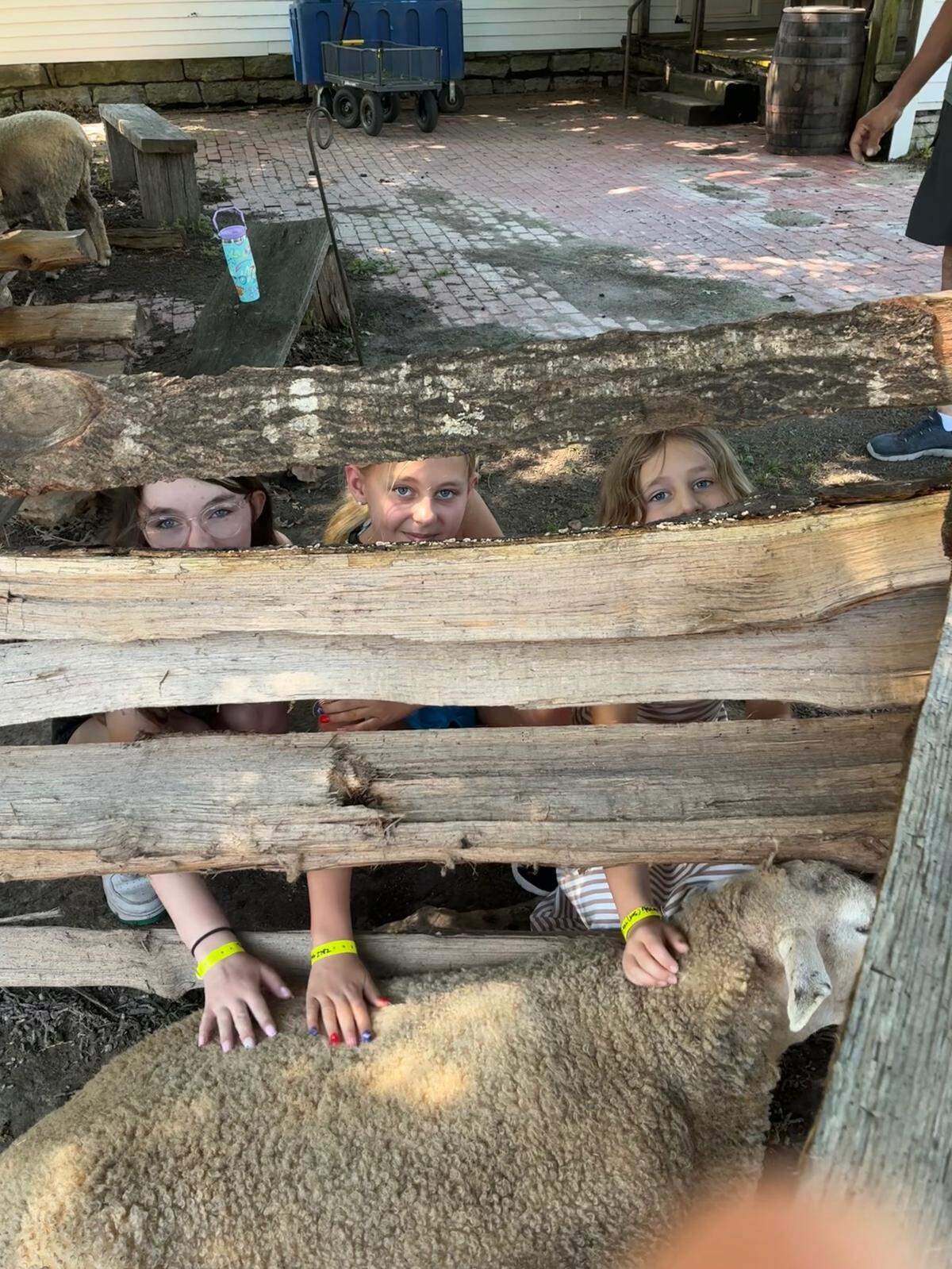
Throughout the year, Missouri Town also offers several events plus classes featuring hands-on lessons about 19th century everyday skills. Annual events are the Sheep Shindig, held in early May; Independence Day on July 4; the Fall Festival, scheduled for Oct. 4-5 this year; and a Christmas Celebration, planned for Dec. 6.
Class topics include hearth cooking, basic sewing and basic knitting. A workshop on paranormal investigation will be Oct. 25.
Participants in the classes learn both 1880s skills as well as historical aspects related to these tasks.
“We’ve got a knitting workshop coming up,” Coale said. “And we talk about who’s knitting, why are they knitting it along with how to knit.”
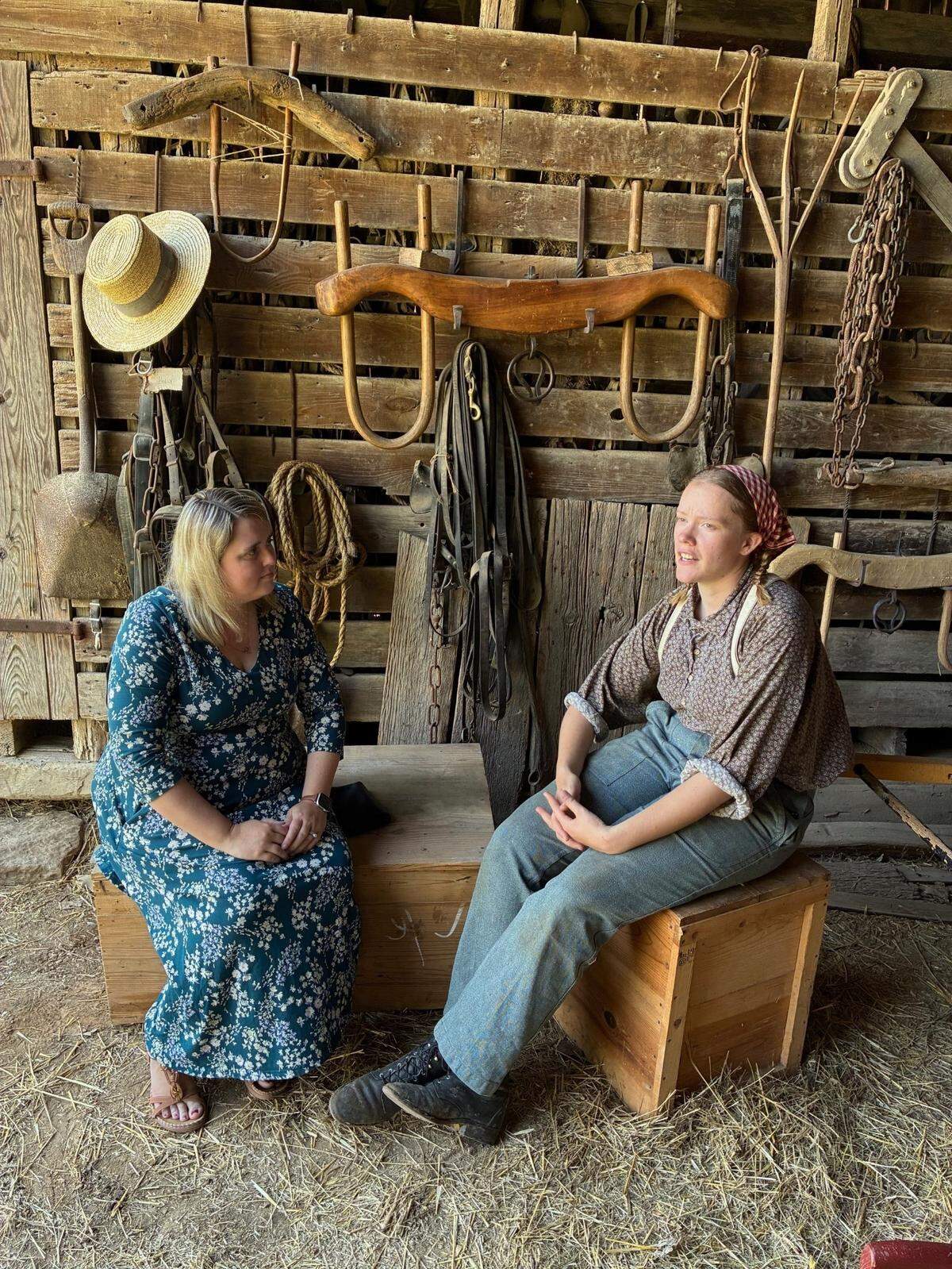
Bringing history to life in a relatable way provides context for our modern world, she added.
“Anytime we can make the past more approachable, it takes away that almost alien factor,” Coale said.
“It changes the way we relate to the subject. It’s the difference between seeing black-and-white pictures vs. color images.”
Missouri Town is open 9 a.m. to 4:30 p.m. Tuesdays through Sundays until Nov. 15, at which point it switches to weekend-only hours. Admission is $8 per adult, $4 per child or senior and free for children under 5.
This story was originally published July 16, 2025 at 5:00 AM.