
Cardiology nurse offers info on causes, treatment for those suffering from AFib
If you aren’t affected by it personally, most people have at least seen commercials on TV about it. Atrial fibrillation, known as AFib, is the most common heart rhythm abnormality and one of the most common cardiac reasons for emergency room visits.
Following is information to help you understand what AFib is, what causes it and what the treatment options are.
AFib is an irregular, often rapid, heart rhythm triggered by chaotic electrical signals in the upper chambers (atria). Instead of beating in a regular manner and in synchrony with the bottom chambers (ventricles), the atria walls quiver or fibrillate, causing the ventricles to beat irregularly.
This can result in incomplete emptying of blood which can lead to weakness or shortness of breath, retention of fluid in the lungs and legs (heart failure), weakened heart muscle (cardiomyopathy) and blood clots. If the blood clots get pumped from the heart out to the brain, this can result in a stroke.
Many people have no symptoms at all, and AFib may be found randomly during a routine exam or on an electrocardiogram (EKG). Others can tell as soon as it happens. Symptoms vary from person to person with the most common being an erratic fluttering or racing sensation in the chest, known as palpitations. Others symptoms may include fatigue, shortness of breath, dizziness, fainting spells, weakness and/or chest discomfort.
Some people have trouble carrying on everyday activity or exercise. AFib can come and go, or it may be more constant and longstanding. For some people, the first symptom may be a stroke.
Although atrial fibrillation can occur in almost any age group, the prevalence definitely increases with age. Conditions that put you at higher risk for having atrial fibrillation include high blood pressure, heart disease, heart valve conditions and heart failure. Other associated conditions include thyroid disorders, diabetes, sleep apnea, lung disease, obesity and excess alcohol consumption.
During the initial evaluation, you and your provider will discuss your symptoms, your risk for stroke and your risk for bleeding should you need an anticoagulant medication (a blood thinner) to prevent stroke. The provider will look at your risk factors and advise treatment if warranted.
One of the first recommendations if the heart rate is too fast are medications to slow the heart rate down. Once the rate is slower, most people feel much better. Many times, while getting the rate slowed down, the heart will convert to a regular rhythm on its own. While restoring the heart to a regular rhythm is desirable, for some this is not possible. In that case, as long as the rate is controlled and you are treated with an anticoagulant, you can remain in AFib and do fine.
For those who continue to have symptoms despite medication, the provider will try to restore a regular rhythm either with medication or with an electrical shock to the heart, called cardioversion. This is a simple procedure done under light anesthesia and you go home the same day. The goal is to interrupt the chaotic rhythm and allow the heart to resume its regular rhythm.
For more symptomatic AFib that cannot be controlled with medication, ablation procedures may be considered. During ablation, cardiologists use electrical energy to eliminate the source of the irregular rhythm and allow regular rhythm to be restored.
It is important if you are having any of the above symptoms, that you notify your provider so you can receive appropriate treatment before anything serious occurs. It is very important you keep up your regular health care visits, especially during this pandemic.
For more information, please visit the American Heart Association’s website: www.heart.org/en/health-topics/atrial-fibrillation/what-is-atrial-fibrillation-afib-or-af
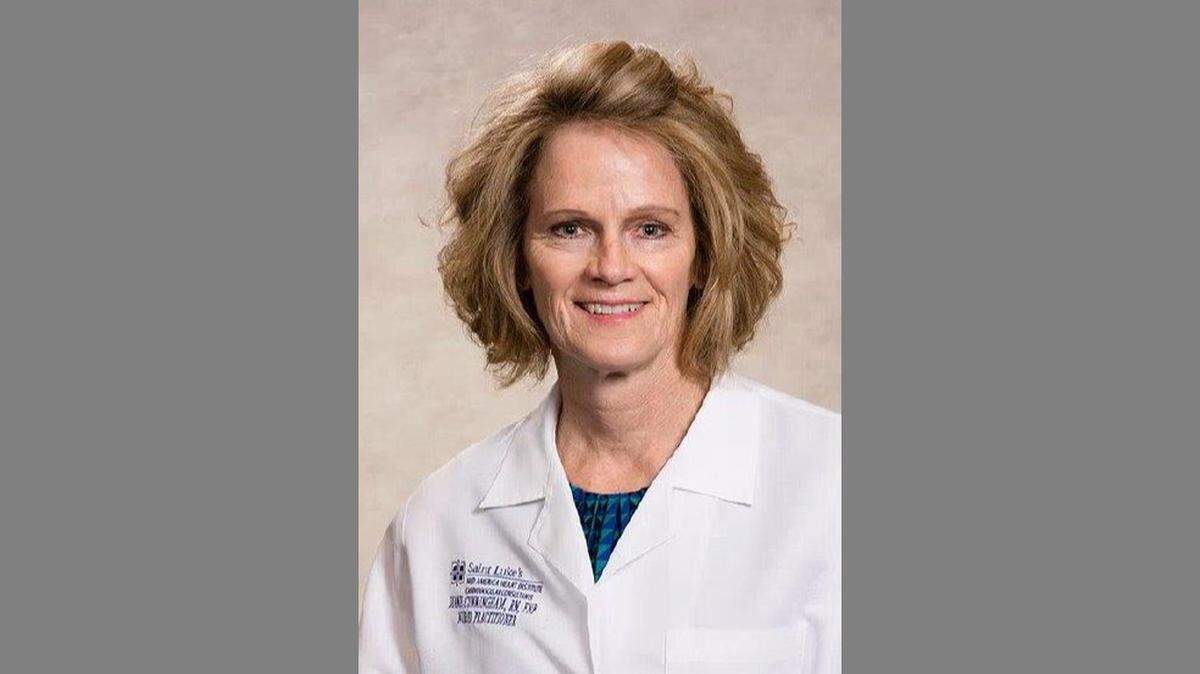
This article was submitted by the Lee’s Summit Health Education Advisory Board and written by guest author Diane Cunningham, who has been a cardiology nurse at St. Luke’s Hospital for 43 years. The last 17 years, Diane has been a board-certified nurse practitioner in the cardiology department and just retired last month.
The Lee’s Summit Health Education Advisory Board is a mayor-appointed, volunteer board that promotes and advocates community health by assessing health issues, educating the public and government agencies, developing plans to address health issues, encouraging partnerships and evaluating the outcomes.