
Death of a loved one in pandemic is heart-wrenching. Healthcare workers ease the way
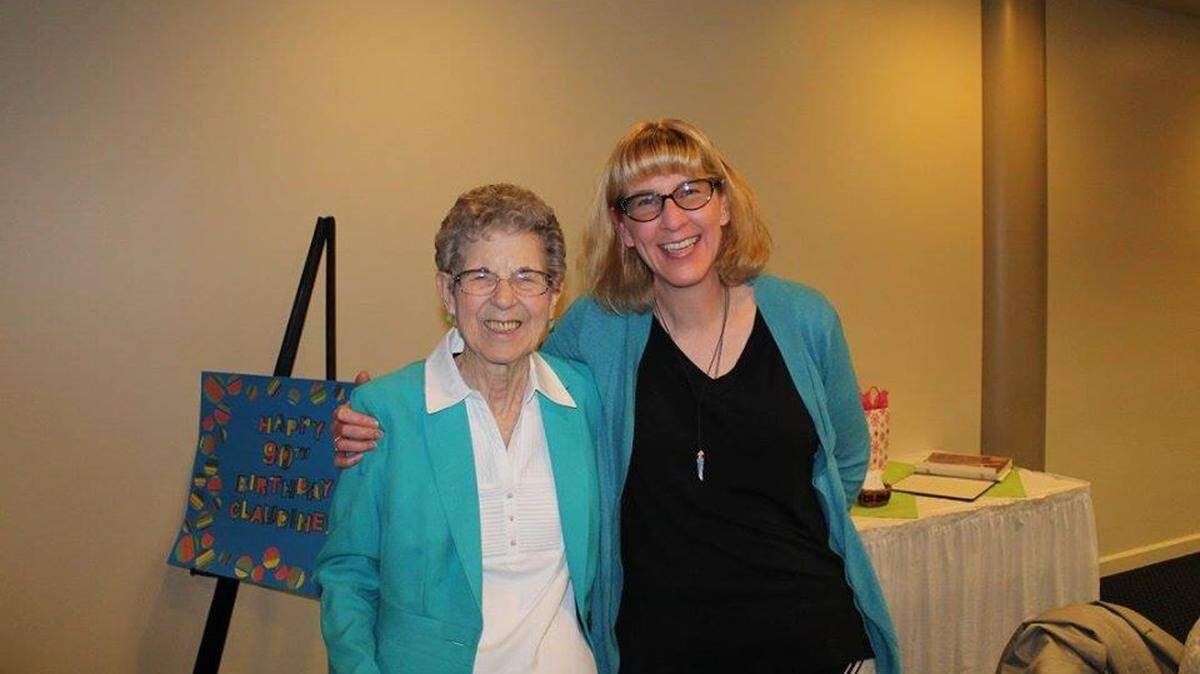
When the quarantine began last March, I realized it could be a long time before I was able to be near some of the people I most cared about.
With my 94-year-old mother in a locked-down assisted living facility, it crossed my mind that she and I may never be in the same room again. We did get one last time together, though. It was in a quiet hospital room following a stroke that left my mom unable to move or speak, with no hope of recovery.
The entire experience has been both heartbreaking and encouraging. The pandemic restrictions made some aspects especially difficult. At the same time, I have been enormously inspired by the many healthcare workers who did their best to make sure my mom got the care she needed and could connect with family during her last hours.
Our pandemic end-of-life journey began as bad news often does: with a late night phone call. Staff at her assisted living facility reported that my mother was showing signs of a stroke. In other times, I would have either met the ambulance at the emergency room or perhaps driven her to the hospital myself. Instead, she was transported by ambulance while I stayed home and waited for updates via telephone. By early afternoon the next day, her condition had deteriorated rapidly and we were told that she would likely not live more than a few days.
Although hospital visits are a thing of the past, exceptions are made for patients at the end of life and I was allowed to visit for a few hours.
The medical staff members were kind and caring, doing everything possible to keep my mom comfortable and to allow space for her to connect with her family. She remained engaged during multiple FaceTime phone calls with my sister, who lives in another state, as well as my children and my sister’s children.
Although the stroke robbed her of the ability to speak, I could just make out my mom’s beautiful grin when her three toddler great-granddaughters appeared on the phone screen to say hello and chatter about their day.
By the following day, my mother had slipped into unconsciousness. She was transferred to a hospice in a nearby nursing home where the staff was wonderful about communicating with us via telephone. The chaplain called soon after she arrived, sharing that she had prayed with my mother and sang her a song.
The employees kept us updated on her condition in an honest and kind manner. They frequently took the phone to her room, holding it to her ear as children, grandkids and great-grandkids said goodbye. She died late that same night.
We are among the lucky ones. I live in the same town as my mom so I didn’t have to make any difficult travel decisions when given an opportunity to visit the hospital.
My mother was alert enough to engage with her family using technology. She passed away peacefully within 48 hours of her stroke without appearing to be in pain or distress. We are thankful for all of this as well as the technology the helps us connect. And for the many friends and family who can’t be here in person but who have reached out via email, social media and telephone.
Now we are entering into the world of funeral planning during COVID-19. It is as strange and as sad as it sounds. Someday when it is safe to gather together, we will celebrate my mom’s remarkable 94 years on earth with others who loved her and miss her.
We grieve. We hope. We go on.
Janice Phelan is a communications consultant who lives in Lee’s Summit.
This story was originally published May 14, 2020 at 12:39 PM.