Olathe voters pass $389M bond for new schools, plus more upgrades on the way
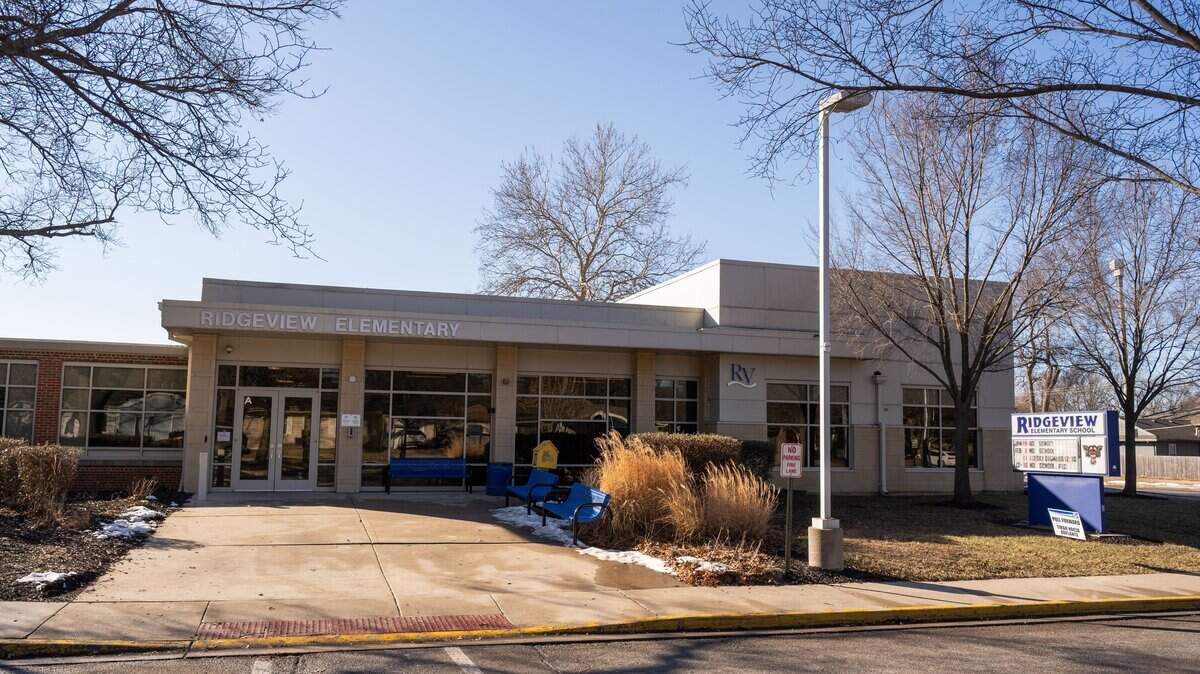
Voters approved in a special election this week $389 million in bonds for Olathe Public Schools, which will pay for new school buildings, technology, student programs and other district projects.
Ballots were mailed to all voters who reside in the Olathe Schools district beginning Feb. 11. The deadline to return ballots by mail or walk-in was noon Tuesday.
Unofficial results from the Johnson County Election Office show 24,320 ballots were cast in the bond election, or 23.08% of registered voters in the district.
The measure passed with 15,344 “yes” votes, and 8,960 “no,” votes. Of those who voted, 63% of voters supported the bond, according to preliminary data.
The Board of County Canvassers will meet March 10 to review ballots and certify official results.
“We are incredibly thankful to our Olathe Public Schools community who has once again supported our district through the endorsement of a bond election,” Olathe Schools Superintendent Brent Yeager said in a statement.
“This bond provides us the opportunity to reinvest in our facilities, build upon excellence and enhance our schools, which are the heartbeat of our community,” he said.
What will the $389 million pay for?
A large chunk of the bond will pay for upgrades within the district’s capital improvement plan, which includes a number of building maintenance projects, upgrades and new construction.
Another high-ticket item under the 2026 bond will be school consolidation, which has been a major focus for the district as it sees decreasing student enrollment.
Using bond dollars, the district plans to consolidate Fairview and Northview Elementary schools into a new building at the current Northview site. Central and Ridgeview Elementary schools will consolidate to a new building at the current Central site.
The bond will also fund a rebuild of Meadow Lane Elementary at its current location. The current school building, operating since 1953, faces frequent leaks, plumbing and electrical problems.
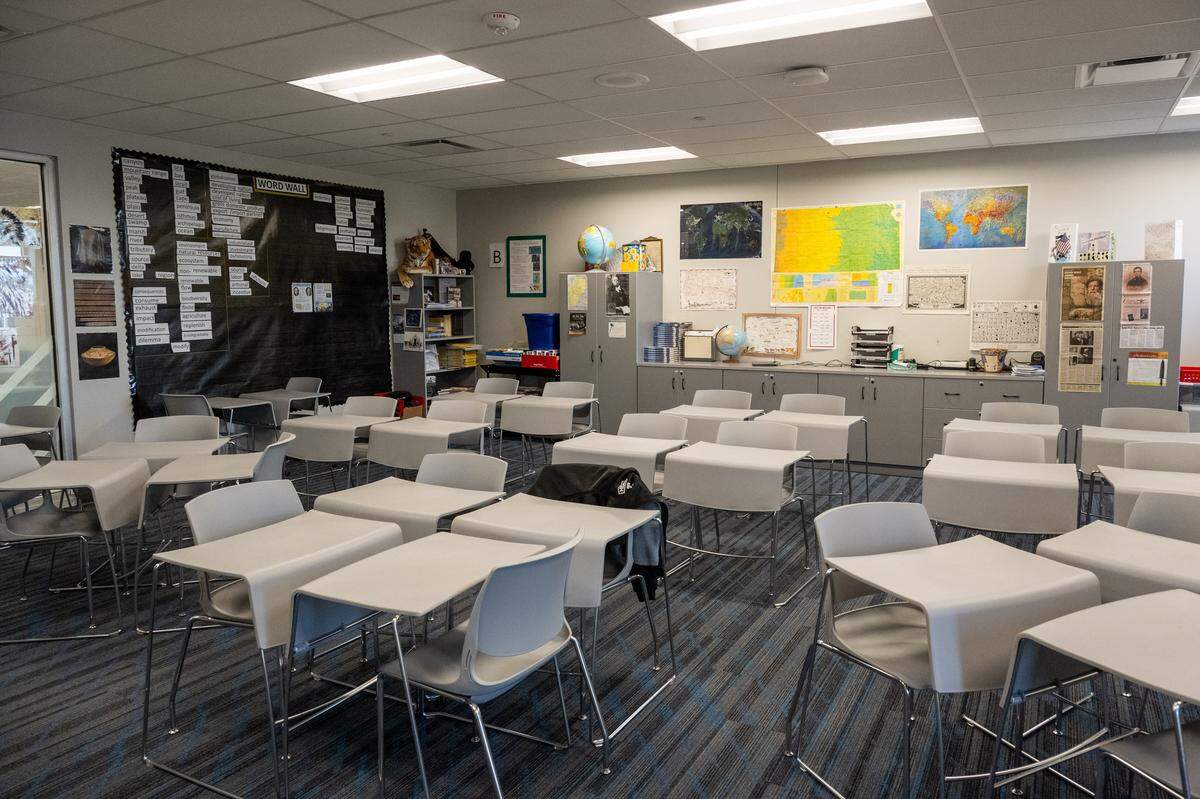
Now that the bond has been approved, the district will soon begin requests for proposals for projects. A specific timeline for the elementary school consolidations funded by the bond has not yet been determined, a spokesperson said.
However, other consolidation projects, separate from the bond, are in the works this year, beginning with a task force evaluating student enrollment beginning in April.
In October, the Board of Education will vote on recommendations on which schools to close.
Among other projects, the $389 million will also pay for an overhaul of district technology, athletics and activities upgrades, safety and security measures and instrument replacement in fine arts departments.
School district officials have said projects funded by the 2026 bond will “touch every school and building” in the district.
How does the bond affect Olathe taxes?
Projects within the 2026 bond proposal will not increase the tax rate currently levied to pay off bonds. The rate set by the Board of Education for this part of voters’ tax bill will be equal to or less than the current rate.
The district’s existing bond and interest tax rate was expected to decrease approximately 2 mills over the next five years and gradually decline until being eliminated in 2041. One mill is equivalent to $1 for every $1,000 of assessed property value.
By approving the 2026 bond this week, voters gave up that projected reduction of taxes in the future to keep the current tax rate for longer.
As older debts are paid off, new bonds will be issued within that same rate.
While the tax rate used for bonds won’t increase, overall tax bills could fluctuate depending on assessed property values.