Olathe patients report surprise costs at KU Health facility. What’s changed?
AI-generated summary reviewed by our newsroom.
- KU’s 2023 acquisition preceded rollout of provider‑based billing at Olathe hospital.
- Patients report surprise facility fees and billing changes raising costs.
- KU says there are options for people who have questions about changes to their bill.
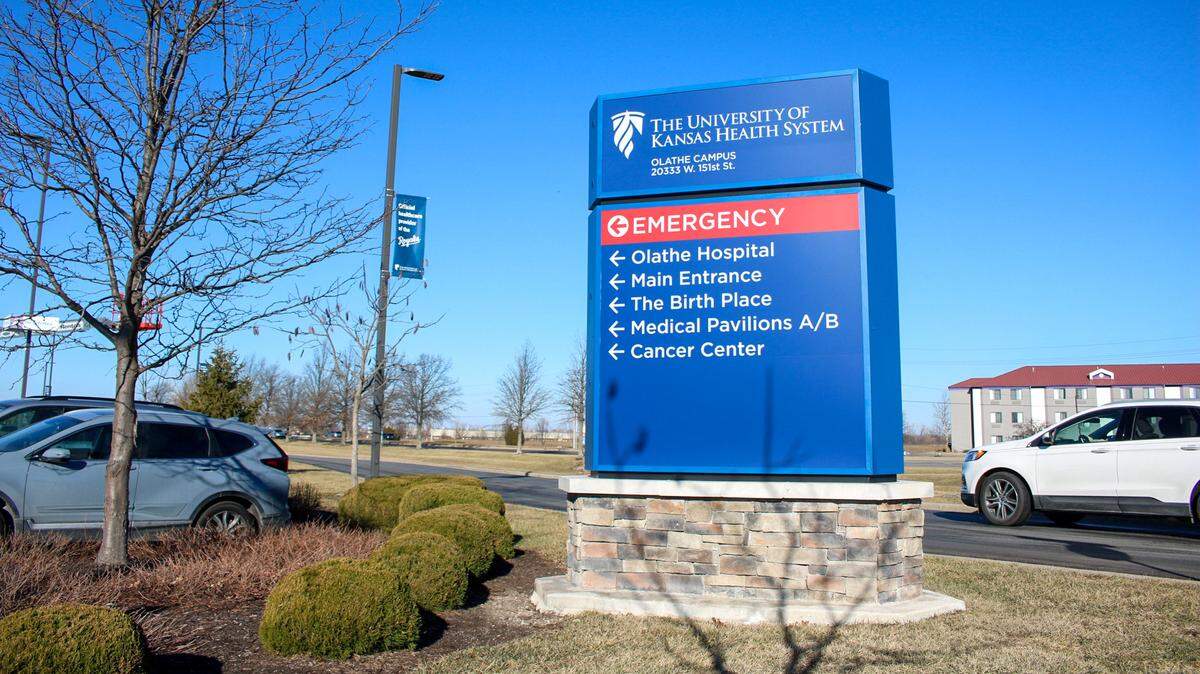
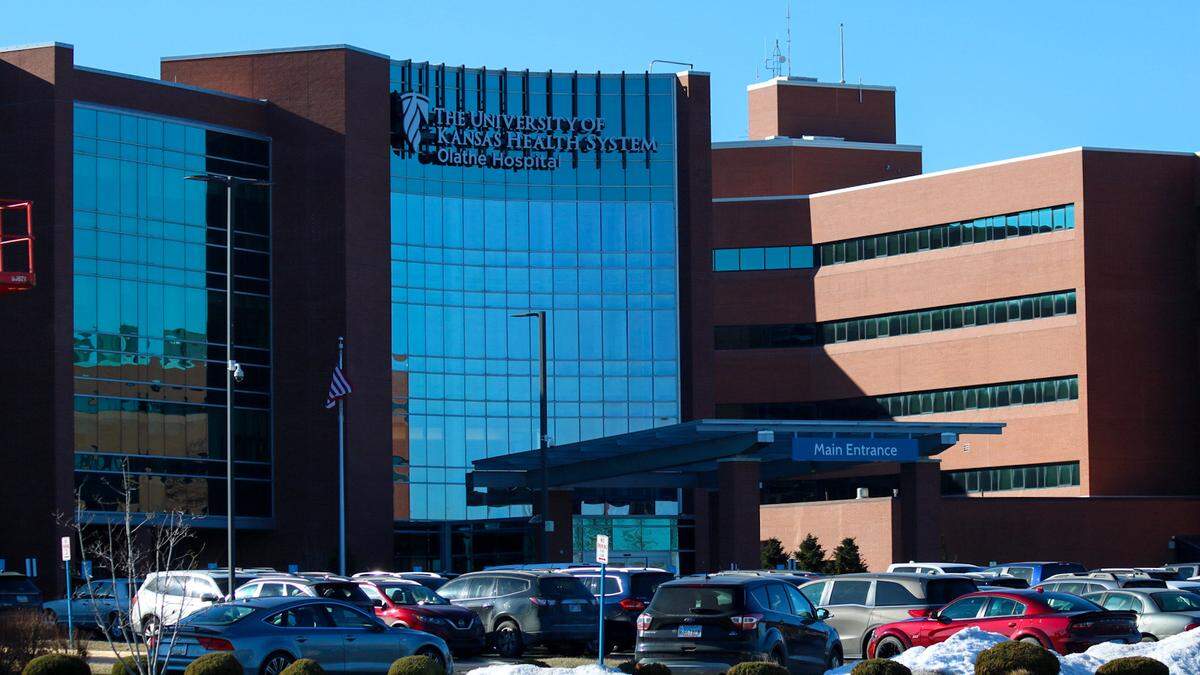
Some patients at Olathe’s hospital are reporting sticker shock after receiving higher bills over the past year, a result they say has come on the heels of changes to services and billing under the University of Kansas Health System.
Olathe Health was an independent health care system for 70 years before its hospitals, one at 151st Street in Olathe, and the Miami County Medical Center in Paola, became a part of KU Health in 2023.
Since the acquisition, KU Health reported making investments in the hospitals to “expand access to high-quality care close to home and across the region.”
These investments could now be impacting patient health care costs, according to health system leaders, and testimonies from people who got surprise bills.
After getting a hip x-ray last year, Melinda Renner, 54, said she was surprised to get a bill that was six times higher than before KU Health acquired the Johnson County hospital. She saw the same doctor, in the same location, and received the same care, but the bill jumped from $179 to $1,131, Renner said.
There was no change in Renner’s insurance or what it would cover from the previous year. The skyrocketing cost, she was told by hospital employees, could have been due to a change in billing.
“When I got my explanation of benefits… Last year, it said ‘Dr. Blue office visit,’ and, ‘Dr Blue radiology,’” Renner said in a phone call last week. “And this year it says Dr. Blue office visit, and then under radiology, it says ‘outpatient services.’”
Outpatient fees at hospitals typically include “facility fees,” which can vary in cost for services in hospital-owned clinics, according to the Health Care Cost Institute.
Under KU Health, the Olathe hospital is now considered a hospital-owned clinic. And it has implemented provider-based billing (PBB), sometimes called hospital-based billing.
This means even if you’re seeing a physician in a clinic setting, a visit will include charges for physician services and for hospital facility and nursing services.
For Renner, that resulted in higher out-of-pocket expenses.
“If a facility is allowed to bill more than what they were previously billing just because of a change in coding, it is no wonder that our health insurance costs are exploding like they are,” Renner said.
According to the KU Health System’s website, PBB is a national model common across large healthcare systems. At KU Health, patients who have Medicare and Medicare Advantage insurance can expect PBB at most clinics.
KU Health said on its website that PBB benefits patients by ensuring the facilities meet care standards for quality and safety.
But that level of care hasn’t come without costs... literally.
Renner said she was told by a supervisor at the Olathe hospital that patients were supposed to be notified of upcoming changes to billing, including facility fees for outpatient services. But she doesn’t remember being notified.
She’s now in the process of disputing her bill with the hospital and her insurance.
“I am supposed to have my yearly mammogram next month. Under my insurance, I’m allowed a mammogram screening for free,” Renner said. “I’m worried I’ll have to pay, so I’m definitely going to reach out to my insurance company before I go.”
Why are patient bills higher?
A financial supervisor at KU Health said they could not discuss individual patient bills, but said there are a couple of reasons why patients may see higher bills at Olathe facilities.
Colette Lasack is vice president of revenue Cycle at KU Health, where she oversees patient accounts, billing coding, collections and reimbursement. She said the first reason costs could be higher is because of the switch to provider-based billing.
“When we make a clinic a provider based clinic, it really becomes an extension of the hospital in many ways, and that means it really supports the hospital-grade quality standards,” Lasack said. “We have integrated safety that those clinics never had before.”
Another reason some bills could be higher, Lasak said, is because doctors not previously employed at Olathe Health became employed at KU Health after the acquisition.
“Before, a patient would have received, potentially, a bill from the hospital and (another) bill from the physician,” Lasack said. “For instance, for an x-ray, the hospital does the x-ray, and then our radiologist actually reads it. Those could have been two separate bills before, and that is in many cases.”
Lasack said the hospital went through two phases of adding Olathe to the medical records system KU Health uses, called Epic. The second phase was completed in May 2025.
Olathe patients may be, for the first time, getting one statement that includes everything, as opposed to several statements for different services, Lasack said.
“We brought the rest of the hospital and the rest of the clinics on (Epic),” Lasack said. “A good majority of those physicians are employed, so now all those are going to end up on one statement, which we think is a great thing for the patient, because it’s less confusing.”
Patients worried about cost of care
Renner wasn’t the only one to experience a higher bill in Olathe. After she made posts on Facebook and Nextdoor about her recent doctor’s visit, hundreds of comments poured in describing unexpected rising costs at Johnson County hospitals under KU Health ownership.
One commenter, Olathe resident Kristen Catherman, said she recently switched primary care providers (PCP) from KU Health to Advent Health due to the hospital fees she would be charged at the Olathe hospital.
“In the past, to see my long-time PCP, it would cost $25 for my co-pay for my annual wellness visit,” Catherman said in a text message last week. “Now, under KU Med, it was going to be over $260-270ish when I did a bill estimate. This was all due to the hospital fee that KU Med tacks on even though my doctor’s office is not actually in the hospital.”
Catherman said KU Health and her original PCP were in-network with her insurance, so she didn’t expect additional fees apart from her co-pay.
In Renner’s Nextdoor post, several people said they received separate charges for lab work completed at the hospital that they were not billed for in the past.
Olathe resident Celinda Hodges said she was hit with surprise charges after a yearly physical, which included routine lab work.
“They billed two separate claims for the same visit,” Hodges said in her comment. “One under the physician (for the physical)…100% covered, zero copay.”
“The other bill for the same service date codes as a hospital outpatient for all labs drawn (even though labs are usual and customary for a routine physical)…I now owe $190 toward my deductible!”
Hodges said the bill did not make sense and that she was unsure how to dispute the charge.
“I don’t blame my insurance, they just process the claims based on the coding,” she said.
How to dispute an unexpected bill
Lasack said each patient’s situation is unique, and depending on insurance and other factors, out-of-pocket costs can vary.
While the healthcare system is imperfect and the responsibility for understanding costs has fallen on patients, Lasack said KU Health strives to help patients be prepared.
“If we do all the great care and we don’t take care of that patient financially, that’s the last thing they remember,” Lasack said. “The last thing you remember is when you get the bill. And so, like many hospitals across the nation, we’ve done huge efforts in helping patients not be surprised.”
People with concerns about their bill can contact KU Health’s customer service line at 913-588-5820.
Patients can also contact the health system’s financial counselors at 913-588-7850 to learn about payment plan options, and find other assistance.