
Horses love gently, unconditionally. That’s why they’re so important to this group
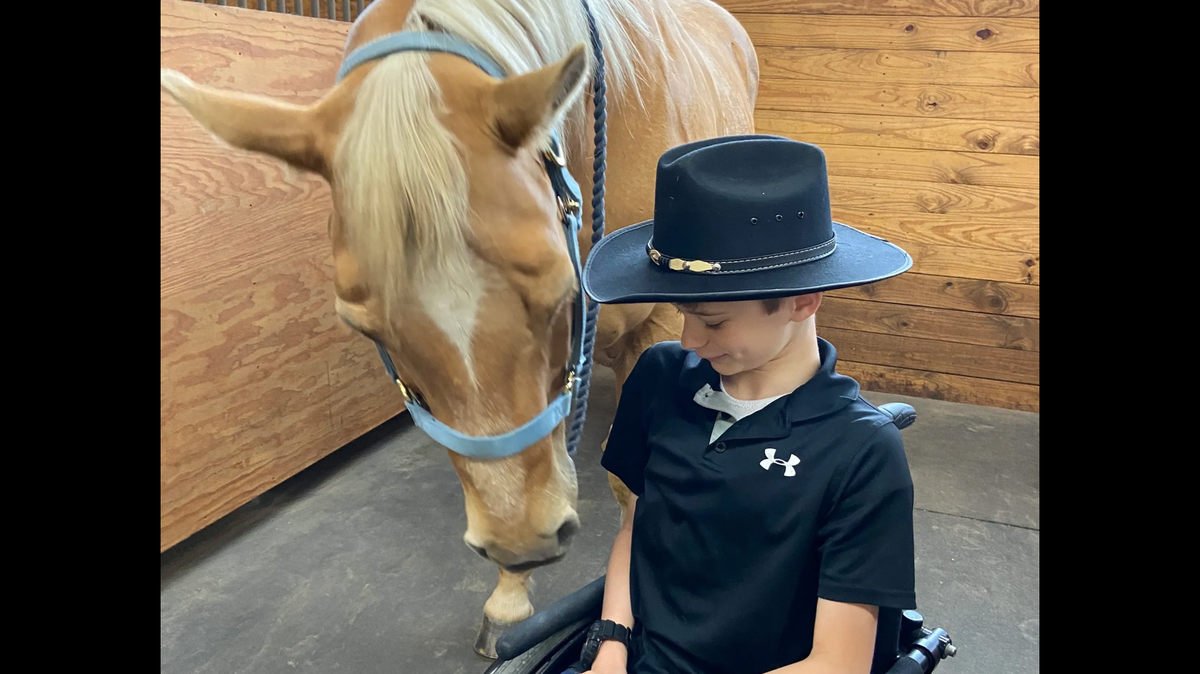
Many years ago, Bonnie Bruns spent $300 of her savings — a whopping amount fora pre-teen. But money spent from Christmas and birthday gifts was more than an ordinary purchase. It was an investment.
Bruns bought a horse. It was the first step on her path to a career as a certified program/equine manager and riding instructor at Heartland Therapeutic Riding, a Johnson County non-profit. The program’s mission is to improve the quality of life of those with disabilities and diverse needs through equine-assisted services.
“I always wanted a horse,” she said. “I don’t know why, but all I ever wanted to talk about was having a horse when I was a kid.”
The dream came true when “a sweet old man” sold Bruns an Arabian Welsh horse named Ginger.
“He sold a saddle to me for $50 and let me (board) Ginger in his stable,” she said.
Without knowing it then, she was on the way to expert horsemanship.
Even now in her 40s, she still likes to talk about horses. And at Heartland in Overland Park, riders of all ages and abilities also like to talk about horses.
“They share their stories. They talk about their riding at home,” Bruns said. “They love to go to school and tell what has happened.”
Forty-five minute therapeutic riding sessions are scheduled once a week for 16 weeks. Adults and children as young as 4 learn to adapt, Bruns said. Classes of no more than four are held in an expansive indoor arena in the cooler months. In warm weather, classes are staged outdoors, as if riders are going on a trail ride.
Bruns says the affectionate relationship that grows between students and horses is understandable.
“Horses are naturally not judgmental,” she said. “Loving horses are unconditional in that regard, meaning they accept you as you are. People with disabilities don’t always get that from others.”
In addition to equine-assisted therapy, Elease Greedy, Heartland’s licensed occupational therapist, specializes in hippotherapy, a form of treatment for riders whose health or circumstances make managing everyday activities difficult.
The objective is to increase functional abilities, build muscle strength, improve range of motion, balance and social skills. Positive experiences boost confidence and a feeling of success.
“It’s always rewarding to see riders growing in confidence,” said Bruns, an equine specialist in mental health and learning. “It’s always fun to see them achieve and feel good about themselves.”
The art of horsemanship includes riding, handling, brushing, combing, petting and talking to the animal, like horse whispering. A horse’s rhythmic movement mimics a human gait. The rider adjusts and increases balance, strength, muscle tone and coordination.
The 17 horses at Heartland — playfully called “four-legged therapists” — are primarily quarter horses, a docile American-bred breed that tends to get along, according to Bruns. Color pallets include blond, brown, red and black and white pintos. Riders quickly name a horse as a sure sign of friendship. Trained volunteers walk side by side with riders to help them stay focused and feel safe.
“They’re wonderful,” Bruns said of the volunteers. “We couldn’t have our program without them.”
For more information, visit heartlandtherapeuticriding.org. Check out a toddler’s sweet connection to a horse at vimeo.com/701466789.